How to Transplant Whipple cholla?
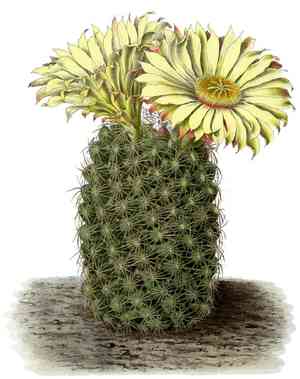
Transplanting whipple cholla is most effective in the pleasant temperatures of early to mid-summer, as this period offers ideal conditions for development. Select a bright spot featuring soil that drains efficiently. Handle the plant with care to preserve its root structure and lessen any shock.
Necessary Preparations Before Relocating Whipple Cholla?
Optimal Period for Relocating Whipple Cholla?
The peak of the warm season, specifically early to mid-summer, is the best time to move whipple cholla. This timeframe offers whipple cholla extended daylight and consistent, warm temperatures, aiding rapid root establishment in its new spot. Moving whipple cholla during this period capitalizes on its natural growth cycle, promoting strong development post-relocation. These conditions are perfect for helping whipple cholla adapt, reducing transplant shock, and ensuring a smooth transition.
Required Spacing Between Whipple Cholla Plants?
When relocating whipple cholla, ensure ample room for expansion. Ideally, position each plant approximately 3-5 feet (0.9-1.5 meters) apart. This allows the roots sufficient space to spread without becoming overcrowded.
Best Soil Blend for Whipple Cholla Relocation?
Thoroughly prepare your soil before moving whipple cholla. Select a sandy or gravelly soil, as whipple cholla thrives in well-drained conditions. A slow-release fertilizer will provide a strong nutritional foundation for your plant's growth.
Where to Replant Your Whipple Cholla?
Locate a sunny position for your whipple cholla. These plants require abundant sunlight, ideally receiving about 6 hours of direct sun daily. A spot with full or partial sun exposure will be most suitable.
Equipment Needed Before Relocating Whipple Cholla?
Garden Spade or Shovel
For excavating the whipple cholla from its current site and preparing the new planting location.
Gardening Gloves
To safeguard your hands from the plant's sharp spines.
Pot (if necessary)
To temporarily hold the plant if moving it between non-adjacent locations.
Cart or Wheelbarrow (for larger specimens)
To transport the plant without damage, especially if it is substantial in size.
Pruning Shears
To remove any damaged or diseased sections of the plant before relocation.
Trowel
For precise excavation around the root ball of smaller plants.
Watering Can
To thoroughly hydrate the plant after it has been moved.
How to Extract Whipple Cholla from the Ground?
How to Extract Whipple Cholla from the Ground?
From Ground: First, moisten the soil around your whipple cholla plant. This facilitates removal and lessens plant stress during the relocation process. Afterward, use your spade or trowel to dig a wide circle around the plant, ensuring the root ball remains intact. Exercise caution to avoid root damage. Gently lift the plant from the soil.From Pot: If your whipple cholla is in a container, water it first, then carefully slide it out. You might need to gently shake the pot or run a trowel along the inner edge to loosen the plant.From Seedling Tray: If you are moving a young whipple cholla from a seedling tray, water the plant initially. Then, compress the base of the individual cell to release the seedling. Be extremely careful not to harm the delicate roots of the young plant.
Step-by-Step Guide for Relocating Whipple Cholla
Advance Planning
Measure the root ball of your whipple cholla. You'll need to dig a hole at the new site that is twice as wide and the same depth as the root ball. This allows the roots ample space to spread and establish themselves.
Prepare the New Site
Excavate the hole for your relocation. Place the removed soil on a tarp or in a wheelbarrow to maintain a tidy workspace and prevent soil loss.
Transport the Plant
Carefully move your whipple cholla to its new location. For larger plants, consider enlisting help or using a cart or wheelbarrow.
Planting
Position the plant in the hole, ensuring it stands upright. Backfill the hole with soil, gently firming it down, but avoid excessive compaction.
Generous Watering
After relocating, water the whipple cholla thoroughly. This helps settle the soil and reduces plant stress.
Post-Relocation Care for Whipple Cholla?
Watering
Following the relocation of your whipple cholla, ensure it receives sufficient water. The soil should be kept damp (but not waterlogged) for the initial few weeks after transplanting.
Health Monitoring
Observe the plant's health in the weeks subsequent to relocation. Look for indications of shock, such as wilting or yellowing foliage. If observed, reduce sun exposure and maintain watering.
Pruning
Remove any dead or diseased sections from the whipple cholla using your pruning shears. This will direct the plant's energy towards new growth and establishment.
Resolving Common Issues with Whipple Cholla Relocation.
What is the optimal time of year to relocate whipple cholla?
The best period to move whipple cholla is during late summer to early autumn (S4-S5). This timing ensures the plant adapts well to its new environment before the onset of winter.
What is the recommended distance between each whipple cholla when relocating?
For healthy growth, each whipple cholla plant should be spaced 3-5 feet apart (approximately 1-1.5 meters). This prevents crowding and promotes good air circulation.
How deep should I plant whipple cholla during relocation?
When relocating, dig a hole deep enough to accommodate the root system. The top of the root ball should be level with or slightly above the ground surface.
Are there specific soil conditions whipple cholla prefers when relocating?
Whipple cholla thrives in well-draining soil. If the soil has a high clay content, amending it with organic matter or perlite will significantly improve drainage.
How often should I water whipple cholla after relocation?
After relocation, whipple cholla requires consistent watering until it establishes itself. Subsequently, it tolerates drought conditions well.
Is any special care needed for whipple cholla after relocation?
Post-relocation, monitor whipple cholla for any signs of stress or disease. Minimize exposure to extreme temperatures, and ensure it is adequately watered.
What indicators signal successful relocation of whipple cholla?
Successful relocation of whipple cholla is indicated by new growth and the absence of wilting or discoloration. Sustained healthy color and growth generally mean the relocation was successful.
How to safeguard newly relocated whipple cholla from pests and diseases?
Ensure proper spacing and avoid overwatering your whipple cholla to prevent fungal diseases. Regular visual inspections for pests should be part of your routine care.
Why are the leaves of my whipple cholla wilting after relocation?
Wilting leaves post-relocation can indicate water stress. However, if watering is appropriate, it might be due to transplant shock. Allow it time to adjust.
Is pruning necessary for whipple cholla after relocation?
You do not need to prune whipple cholla immediately after relocation. Allow the plant to settle into its new location. Later, you can prune for shaping or to remove dead sections.



