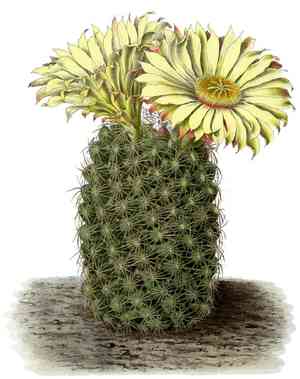
Whipple cholla (Cylindropuntia whipplei)
Also known as: Whipple cholla, Whipple's cactus
The whipple cholla, belonging to the cactus family, is native to the western United States. It was a crucial food source for the Zuni people of New Mexico, who would remove the spines from the fruit and dry it for winter sustenance. The genus name "Cylindropuntia whipplei" commemorates Amiel Weeks Whipple, a surveyor and engineer from the 19th century.
In This Article
Attributes of Whipple cholla
Lifespan
Perennial
Plant Type
Shrub
Plant Height
2 m
Spread
1.5 m
Leaf Color
Green
Flower Size
2 cm to 5 cm
Flower Color
Yellow Green
Images of Whipple cholla
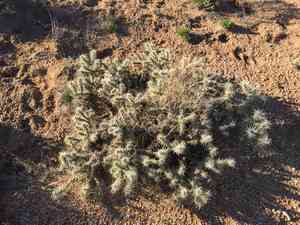
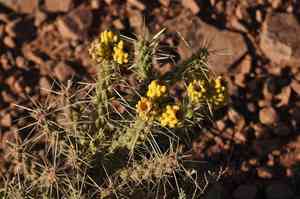
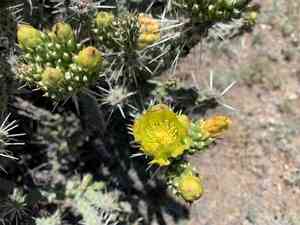
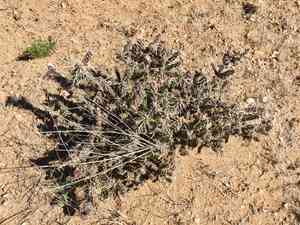
Quickly Identify Whipple cholla
1
Identify Cylindropuntia whipplei by its cylindrical stem segments with prominent spines. The spines are usually needle-like and densely packed. The plant often displays a bushy appearance.
Scientific Classification of Whipple cholla
Phylum
Vascular plants
Class
Dicotyledons
Order
Caryophyllales
Family
Cactuses
Genus
Chollas
Species
Whipple cholla
Planting and Growing of Whipple cholla
Care Difficulty
Easy
Watering Schedule
Every 2 days
Sunlight Requirements
Full sun
Sunshine Duration
4-8 hours
Ideal Temperature
70-85℉
Soil Type
Potting Mix, Peat Mix
Soil pH
6.5-7.5
Fertilizer Type
Balanced
Pruning Season
Spring, Summer
Pruning Area
Branches, Leaves
Pruning Frequency
2 times a year
Repotting Season
Spring
Pot Type
Plastic, Ceramic
 How to Water Whipple cholla?
Cylindropuntia whipplei requires a moderate amount of water. It is essential to water until the soil is thoroughly moistened but not waterlogged, ensuring the water reaches the roots. Overwatering can lead to root rot, so allow the top layer of soil to dry out between waterings.
What are the symptoms of an underwatered Whipple cholla?
›
What should I do if my Whipple cholla is not getting enough water?
›
What are the symptoms of an overwatered Whipple cholla?
›
How to save an overwatered Whipple cholla?
›
 What Are the Sunlight Requirements for Whipple cholla?
Cylindropuntia whipplei thrives under full sun, benefiting from unfiltered sunlight for 6 to 8 hours daily. This promotes robust growth, vibrant color, and flowering, enhancing its overall health.
More About Sunlight Requirements Techniques→
Solution for Ideal Lighting
›
Steps to Obtain Ideal Lighting
›
Benefits of Ideal Lighting
›
 What Is the Ideal Temperature Range for Whipple cholla?
The ideal temperature range for Cylindropuntia whipplei growth and health is between 70°F and 85°F. In this range, the plant experiences optimal growth conditions, as the temperature supports adequate photosynthesis and respiration rates. Providing consistent warmth within this range ensures the plant thrives and remains robust against common pests and diseases.
 What Soil is Best for Whipple cholla?
Cylindropuntia whipplei thrives in well-drained soil. It's vital to prevent waterlogging, which can cause root rot, a major risk for this desert-adapted species. Ensuring efficient drainage emulates its natural arid habitat, promoting healthy growth and blooming. This plant can thrive in poor, sandy loams where nutrients are sparse. This is advantageous, as it reduces the need for regular fertilization and minimizes growth issues due to nutrient burn, making maintenance easier for gardeners. A sandy loam provides just the right level of aeration for Cylindropuntia whipplei's roots. This encourages healthy root development, supports gas exchange, and ensures that the roots are not suffocated, fostering robust plant health and resilience.
 How to Fertilize Whipple cholla?
For Cylindropuntia whipplei, it's essential to apply fertilizer in moderation. A liquid fertilizer at half-strength can be used once a month during the growing season. Slow-release fertilizers can be applied sparingly, twice a year, ensuring not to overwhelm the plant with nutrients.
 How to Prune Whipple cholla?
Use clean and sharp pruning shears for precise cuts, ensuring you don't crush the plant tissues, which can invite disease. Start by removing any dead or diseased segments. Next, thin out cross branches that overcrowd the center to allow for adequate light penetration and airflow. Lastly, shape the plant by trimming overgrown sections, following the plant's natural shape for a neat appearance. After pruning, clean your tools with alcohol to prevent disease spread. Also, inspect the plant for any pests or diseases regularly and take necessary actions to maintain health.
More About Pruning Techniques→
 How to Propagate Whipple cholla plant?
1
Choose a healthy, disease-free segment of the plant. Ideally, the selected segment should be mature, as younger segments may not root as effectively and are prone to drying out.
2
Once cut, allow the segment to dry and callus over for several days before planting. This process helps prevent rot when it is planted into the soil or medium.
3
Insert the callused end of the cutting into well-draining soil or a prepared rooting medium. Water lightly and keep in a warm, indirect light environment.
 How to Repot Whipple cholla plant?
1
Cylindropuntia whipplei typically shows the need for repotting when its roots begin to crowd the pot, or growth visibly slows, even after regular watering. Another indication is if you notice roots growing through the drainage holes. Spring or early summer is ideal because it allows the plant to recover quickly with the influx of energy and growth this season offers.
2
Opt for a pot that is only slightly larger than the current one to avoid over-potting and to ensure soil doesn’t remain damp too long. Select a container with good drainage, like terracotta, to prevent root rot. Terracotta helps in wicking excess moisture away, which is crucial for desert-loving plants like Cylindropuntia whipplei.
3
A well-draining cactus mix enriched with sand or perlite is crucial. This blend ensures excess water can escape easily, keeping the roots from suffocating in soggy conditions. This type of soil mimics the natural arid habitat, supporting healthy root growth and preventing diseases linked to high moisture.
Toxicity
Contact with skin or ingestion
WARNING
The judgment on toxicity and danger is for reference only. We DO NOT GUARANTEE any accuracy of such judgment. Therefore, you SHALL NOT rely on such judgment. It is IMPORTANT TO SEEK PROFESSIONAL ADVICE in advance when necessary.



