How to Prune Whipple cholla?
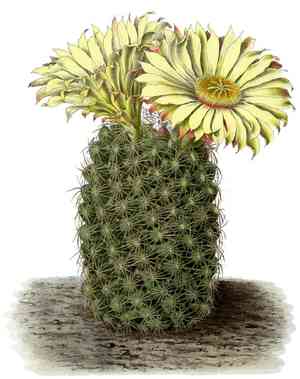
A thorny desert cactus, whipple cholla thrives in challenging environments, featuring towering, segmented stalks. To achieve peak development, trim by detaching deceased or injured segments using tongs and protective gloves. Perform pruning from late spring through early summer. This practice refines the plant's form, manages its dimensions, and stimulates robust new development. Specifically for whipple cholla, pruning diminishes the likelihood of disease by enhancing air circulation and prevents cumbersome groupings that might fracture from their own mass.
What Are the Benefits of Pruning Whipple Cholla?
What Are the Benefits of Pruning Whipple Cholla?
Trimming whipple cholla promotes more abundant flowering and enhances its resistance to pests and diseases, resulting in a healthier and more attractive specimen.
What Is the Best Time for Pruning Whipple Cholla?
What Is the Best Time for Pruning Whipple Cholla?
The period from late spring to early summer is ideal for trimming whipple cholla, as it coincides with the plant's growth spurt following its blooming phase. This timing, after the last frost, reduces the chance of frost damage to new growth caused by pruning. Furthermore, it allows the plant to recover from pruning wounds in warmer, drier conditions, which is vital for whipple cholla, given its susceptibility to rot in cool, damp environments. Pruning at this time also helps direct the plant's energy toward developing new, robust growth and maintaining its desired form without disrupting its flowering and fruiting cycles.
What Tools Do I Need to Prune Whipple Cholla?
Long-handled Pruners
Due to the thorny nature of whipple cholla, long-handled pruners are advised for safely reaching stems without getting too close.
Gloves with Puncture Resistance
Robust, puncture-resistant gloves are crucial for protecting hands from whipple cholla's spines during trimming.
Pruning Saw
For cutting thicker branches of whipple cholla, a pruning saw is effective for clean cuts without harming the plant tissue.
Loppers
Loppers are useful for severing medium-sized stems of whipple cholla that are too thick for pruners but not large enough to require a saw.
How to Prune Whipple Cholla
Preparation
Wear sturdy gloves and protective attire to shield against whipple cholla's spines. Utilize clean, sharp pruning tools to ensure precise cuts and prevent infections.
Disinfection
Sanitize the pruning tool blades with a mixture of one part bleach to nine parts water before and after trimming whipple cholla to prevent disease transmission.
Removal Of Diseased And Dead Material
Carefully remove diseased foliage, withered leaves, dead branches, and infected branches from whipple cholla by cutting at their base where they meet healthy tissue, without causing damage.
Controlling Excessive Growth
Cut back overly vigorous branches on whipple cholla to maintain its preferred shape and size, making cuts at branch junctions to encourage healthy new development.
Wilted Flowers
Remove spent flowers from whipple cholla to encourage new blooms and prevent the plant from expending energy on seed production. Snip the flower stem near its base without harming adjacent stems or pads.
Common Pruning Mistakes with Whipple Cholla
Over-Pruning
Removing too much of whipple cholla at once can stress the plant, leading to stunted growth or even demise.
Using Dull Tools
Blunt or unclean cutting implements can injure whipple cholla's tissues, increasing the likelihood of disease.
Incorrect Cuts
Making improper cuts, such as tearing the tissue or leaving stubs, can harm whipple cholla and hinder proper recovery.
Pruning Live Segments
Unnecessarily removing healthy, living sections of whipple cholla can prevent the plant from thriving.
Common Pruning Tips for Whipple Cholla
Sharp Tools
Employ sharp, clean pruning shears to make precise cuts on whipple cholla, minimizing damage and disease risk.
Protective Gloves And Clothing
Wear gloves and protective attire to avoid injury from whipple cholla's spines during pruning activities.
Sanitize Tools
Before and after trimming whipple cholla, disinfect cutting tools to prevent the spread of pathogens.
Proper Cut Placement
Cut whipple cholla at the joint between segments to promote better healing and maintain the plant's natural form.
Disposal Of Cuttings
Properly discard or pot whipple cholla's cuttings to prevent unwanted growth in the surrounding area.
Selective Pruning
Trim whipple cholla selectively to remove only diseased, damaged, or overcrowded sections, enhancing air circulation and plant vitality.



