How to Propagate Whipple cholla?
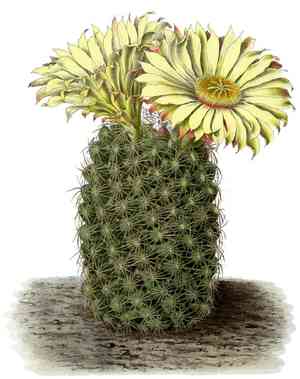
Whipple cholla is most effectively multiplied through sections. To achieve successful establishment, sever a robust piece and permit it to harden for several days prior to embedding it in porous soil. Verify that the severed tip is thoroughly desiccated to avert decay. Position the section in a brightly lit spot and irrigate sparingly, given whipple cholla's resilience to arid conditions. Root development generally takes place within a couple of weeks, subsequently allowing for standard succulent maintenance routines.
Optimal Time for Whipple Cholla Propagation
Propagation Method
Cutting
Propagation Period
Spring,Summer
Tools for Whipple Cholla Propagation
Sharp, sterile pruning shears or knife
Crucial for making precise cuts on whipple cholla during the cutting process. A sharp, clean tool minimizes plant tissue damage, lowering infection risk and promoting faster healing of cut surfaces. This is vital as whipple cholla can be prone to bacterial and fungal infections if cuts are rough or tools are contaminated.
Gloves (preferably thick)
Whipple cholla is a cactus with spines that can easily puncture the skin. Thick gloves protect the propagator's hands during handling, including cutting, positioning, and planting the cuttings. This ensures safe handling without harming the cuttings or the propagator.
Rooting hormone (optional for cacti)
While not always essential for cacti, including whipple cholla, applying a rooting hormone can encourage quicker root development from cuttings. Rooting hormones are particularly beneficial in less-than-ideal propagation conditions or for cuttings that are difficult to root.
Cactus potting mix
Offers the necessary drainage and aeration properties required by whipple cholla. A well-draining soil mix prevents waterlogging, which is harmful to new roots, helping to reduce the risk of root rot and other moisture-related diseases as whipple cholla cuttings begin to grow.
Pots with drainage holes
Ensures excess water can drain away, which is vital for the health of whipple cholla. Pots without proper drainage can trap water, leading to increased moisture around the roots and potential fungal issues. The pot's size and material also influence moisture management and temperature regulation.
Tweezers or forceps
Useful for handling small or delicate whipple cholla cuttings, allowing for precise placement without direct contact. This is especially helpful when propagating small cuttings or when needing to avoid touching spines.
How to Propagate Whipple Cholla?
Propagation Type
Moderately Difficult
Caring for Your Newly Propagated Whipple Cholla
Caring for Your Newly Propagated Whipple Cholla
Whipple cholla needs minimal water. Once established, it tolerates drought well. During the growing season, water only when the soil is completely dry. Provide full sun exposure and shield from extreme cold. Fertilization is usually not required, but a light application of a cactus-specific formula can be given during active growth.
Common Mistakes to Avoid When Propagating Whipple Cholla
Overwatering
Providing too much water can lead to root rot, as whipple cholla is adapted to arid conditions and requires a dry, well-draining soil environment.
Using non-sterile tools
Cutting whipple cholla with non-sterile tools can introduce pathogens that may infect the plant, hindering its growth and propagation.
Ignoring plant wounds
Neglecting to allow cuttings to callous over results in higher vulnerability to infections and reduced rooting success.
Choosing weak cuttings
Selecting older or diseased cuttings can impede rooting, as whipple cholla propagates best from healthy, vigorous plant segments.
Tips For Propagating Whipple Cholla
Proper cutting technique
Using a clean, sharp knife or scissors, making a straight cut increases the chance of successful rooting, as it minimizes damage to whipple cholla's tissues.
Callousing cuttings
Allowing the cut end to dry and form a callous for several days to a week before planting helps prevent rot and encourages rooting.
Suitable soil mix
Utilizing a well-draining soil mix with coarse sand or fine gravel mimics whipple cholla's natural habitat and promotes effective rooting.
Moderate watering
Watering the cuttings sparingly, only after the soil has dried out completely, aligns with whipple cholla's drought-tolerant nature and promotes healthy root development.



