How to Transplant Quince?
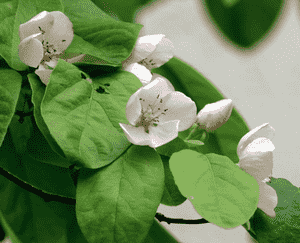
For successful relocation of quince, select the ideal window from early to mid-spring. This timing is optimal as the plant's root system develops most effectively during this period. Pick a site featuring rich, adequately draining earth and ample sunlight. Bear in mind that meticulous preparation during transplantation guarantees a thriving existence for your quince.
Essential Preparations Before Relocating Quince?
Optimal Period for Quince Relocation?
The best time to move quince is from early to mid-spring. This timing allows the plant to develop its root system before the intense summer heat arrives. Transplanting quince during this season gives it a head start, providing ample time to strengthen for warmer days. It's an excellent method for cultivating a robust and thriving quince.
Recommended Spacing Between Quince Plants?
For proper quince development, it's crucial to position each plant approximately 15-20 ft (4.5-6 m) apart. This ensures adequate space for growth and root expansion, preventing overcrowding.
Ideal Soil Mixture for Quince Relocation?
When moving quince, select a rich, well-draining soil. Incorporate organic materials, such as well-decomposed compost or aged manure, into the planting area. Add a balanced, slow-release fertilizer to further prepare the soil for quince's growth.
Optimal New Location for Your Quince?
To give quince the best start, choose a spot with full sun or partial shade where the plant will receive at least 6-8 hours of sunlight daily. This exposure promotes strong growth and a plentiful harvest.
Equipment Needed Before Moving Quince?
Gardening Gloves
Wearing gloves will shield your hands from dirt and sharp objects while handling the quince.
Shovel or Spade
This tool is used to dig a hole in the ground and to extract the quince from its original spot.
Garden Hose or Watering Can
Necessary for hydrating the plant both before and after its relocation.
Garden Trowel
Aids in loosening the soil around the roots when removing the plant.
Wheelbarrow
Useful for moving the quince from its initial location to the new planting site.
Mulch
This material will help retain soil moisture after the transplant.
How to Extract Quince from the Ground?
How to Extract Quince from the Ground?
From Ground: First, thoroughly water the quince plant to soften the soil. Then, using your shovel or spade, dig a circle around the plant, roughly 12-20 inches from the base. The goal is to keep a significant portion of the root system intact. Gradually work the spade beneath the root ball, lifting the plant out of the ground, taking as much soil with it as possible.From Pot: Before removing the quince plant from its container, water it well. Tilt the pot sideways and tap the bottom to loosen it. Gently pull the plant out by grasping the base. If it doesn't come out easily, you might need to break or cut the pot.From Seedling Tray: Ensure the quince seedlings are well-hydrated. Invert the tray and gently tap the bottom. The seedlings should fall out with their soil and root system intact. Handle the seedlings by their leaves, not the stem, to prevent damage.
Step-by-Step Guide for Relocating Quince
Determine the Correct Planting Depth
The quince should be planted at the same depth it was in its previous location. Observe the soil line on the plant's stem for an accurate measurement.
Excavate the Hole
Dig a hole that is twice as wide and as deep as the quince's root ball.
Position the Plant
Place the quince in the hole, ensuring it stands upright.
Refill the Hole
Backfill the hole with the excavated soil, gently tamping it down around the base of the quince to eliminate air pockets.
Water Thoroughly
Water the quince slowly and deeply immediately after planting to help settle the soil. Be sure to use your garden hose or watering can for this.
Apply Mulch
Spread some mulch around the base of the quince; this will help retain moisture and suppress weeds.
Post-Transplant Care for Quince
Watering
The quince will require consistent watering, especially during dry periods. Deep watering is more beneficial than frequent shallow watering as it promotes deep root development.
Monitoring
Regularly inspect the quince plant for signs of stress, such as wilting or discolored leaves. If these symptoms appear, provide more water and shade.
Mulching
Replenish the mulch around the quince as needed, as this will help maintain soil moisture and inhibit weed growth.
Pruning
Prune your quince if necessary to maintain its form and health. Remove any damaged or diseased branches.
Resolving Common Quince Relocation Issues.
When is the best time to move quince?
Early to mid-spring is the most favorable period for relocating quince. The plant re-establishes well during this season.
What should be the ideal spacing between quince plants?
For optimal growth, maintain a distance of 15-20 ft (4.5-6 m) between quince plants. This spacing ensures adequate sunlight and nutrient distribution.
What indicates a healthy quince ready for relocation?
Quince with vibrant foliage, no signs of disease or pest infestation, and strong, well-developed roots is ideal for transplanting.
How deep should the hole be for relocating quince?
The hole should be twice as wide but the same depth as the quince's root ball. This provides ample space for root expansion.
What's the best soil type for quince relocation?
Quince thrives in well-drained, fertile loamy soil. The pH level should ideally be neutral to slightly acidic for optimal growth.
Is it necessary to water quince immediately after relocating?
Absolutely! It's crucial to water quince immediately after transplanting to help alleviate transplant shock and establish the plant.
How should the soil be amended for quince transplants?
Enhance the native soil with organic matter like compost or aged manure. This improves soil fertility and promotes healthier quince transplants.
Do quince transplants require shade or sunlight?
Quince prefers full sunlight but can tolerate some shade. After transplanting, ensuring proper sunlight exposure will boost its healthy growth.
How can transplant shock in quince be minimized?
To reduce transplant shock, keep the root system moist during transplant, plant at the correct depth, and water extensively immediately after transplant.
Do the leaves of quince need pruning before transplanting?
No, pruning leaves before transplanting is not necessary. However, removing dead or diseased parts helps the quince focus on root development.



