Quince(Cydonia oblonga)

Quince (Cydonia oblonga)

Also known as: Quince

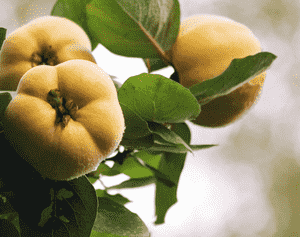
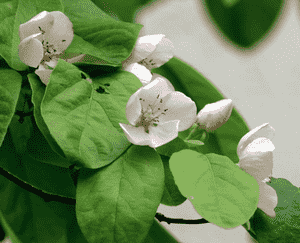
The quince tree (Cydonia oblonga) is a deciduous tree that features attractive pale pink to white blossoms in late spring, drawing butterflies. Its bright yellow fruits ripen in the fall and can be enjoyed fresh or used in making jellies and preserves. Historically, quince fruits have been linked to the Greek goddess Aphrodite.

Attributes of Quince

Lifespan
Perennial
Plant Type
Tree, Shrub
Plant Height
5 m to 8 m
Spread
4 m to 6 m
Leaf Color
Green
Flower Size
5 cm
Flower Color
Pink White Red

ForwardPlant - Identify plants with a snap

Identify and diagnose plants, get toxicity alerts, and explore safety guides for all types of fungi.

Try for Free

Images of Quince

Quince(Cydonia oblonga)

Quickly Identify Quince

1
Quince can be identified by its large, aromatic, golden-yellow fruit, which is pear-shaped or apple-shaped. The leaves are dark green, simple, and alternately arranged, with a smooth texture. The flowers are pink to white, similar in appearance to those of apples and pears.

Scientific Classification of Quince

Phylum
Vascular plants
Class
Dicotyledons
Order
Rosales
Family
Rose
Genus
Quince
Species
Quince

Planting and Growing of Quince

Care Difficulty
Easy
Watering Schedule
Every 3 days
Sunlight Requirements
Full sun
Sunshine Duration
6-10 hours
Ideal Temperature
59-77℉
Soil Type
Potting Mix, Peat Mix
Soil pH
6.5-7.5
Fertilizer Type
Balanced
Pruning Season
Spring, Summer
Pruning Area
Branches, Leaves
Pruning Frequency
2 times a year
Repotting Season
Spring
Pot Type
Plastic, Ceramic

water icon How to Water Quince?

For Cydonia oblonga, it is essential to water the plant adequately but conservatively. Each session should see approximately 500 ml of water being delivered, which helps maintain adequate soil moisture. Avoid waterlogging the roots by ensuring proper drainage and only watering until the topsoil is thoroughly moist but not soggy.
What are the symptoms of an underwatered Quince?
What should I do if my Quince is not getting enough water?
What are the symptoms of an overwatered Quince?
How to save an overwatered Quince?
More About Watering Techniques

sunlight icon What Are the Sunlight Requirements for Quince?

Sunlight Requirements: Full sun, Partial sun
Duration of light: 6 to 8 hours
Cydonia oblonga ideally needs full sun to partial sun exposure, highlighting its preference for bright, sunny conditions that foster robust growth and fruit yield.
What is the optimal light exposure for Cydonia oblonga?
How can I achieve the ideal lighting conditions for this plant?
What benefits can Cydonia oblonga expect from ideal light conditions?
More About Sunlight Requirements Techniques

temperature icon What Is the Ideal Temperature Range for Quince?

Ideal Temperature: 59 ~ 77℉
The ideal temperature range for growing Cydonia oblonga is between 59°F to 77°F. This range provides a balance between warmth and coolness, necessary for optimal photosynthesis and nutrient uptake, ensuring robust growth and fruit production.

soil icon What Soil is Best for Quince?

Soil type: Loam, Sandy loam
Soil PH: 6.5 ~ 7.5
Cydonia oblonga thrives in soil that offers excellent drainage, preventing waterlogged roots. Well-drained soils improve root aeration, promoting healthier growth and reducing the risk of root rot. Providing a fertile soil rich in organic matter enhances nutrient availability for Cydonia oblonga. This supports robust growth, leading to a more vigorous plant with improved fruit production. Soils that maintain moderate moisture levels sustain Cydonia oblonga well. Consistent hydration without excess helps in consistent growth and bloom cycles, ensuring a bountiful yield. More About Soil

fertilize icon How to Fertilize Quince?

Fertilizer type: Balanced
Cydonia oblonga requires a balanced amount of nutrients, so it's important to use a fertilizer with an NPK ratio of 10-10-10. For liquid fertilizer, apply approximately half a gallon per tree every other week during the growing season. Use a well-distributed application to avoid nutrient burn. More About Fertilizing Techniques

prune icon How to Prune Quince?

Pruning Time: Spring, Summer
Start by identifying and removing any dead, damaged, or diseased branches. Look for branches that cross or rub against each other as they can cause wounds and invite disease. Cydonia oblonga benefits from thinning cuts to increase air circulation and sunlight penetration. Trim back vigorous growth to maintain an open center, promoting healthy fruit development. Always make clean cuts at a slight angle just above a bud facing outward from the plant. This encourages the new growth to extend outward, keeping the interior of the plant open and airy. More About Pruning Techniques

propagate icon How to Propagate Quince plant?

Propagate Time: Early spring, Late spring, Early autumn
1
Gather ripe seeds from the fruit and clean them to remove any pulp. Soak the seeds in water for 24 hours to soften the seed coat, which will help enhance germination. Ensure that only viable seeds, which sink to the bottom, are planted.
2
Select healthy branches and cut sections that are about 6 to 8 inches long. Remove the leaves from the bottom half of each cutting. Dip the cut end of each cutting in rooting hormone to stimulate root development.
3
Prepare a rootstock and a scion from healthy plants. Ensure both parts have the same diameter at the cut site. Use a knife to make a clean diagonal cut on both the rootstock and scion, then join them and secure with grafting tape to facilitate bonding and growth.
More About Propagating Techniques

repot icon How to Repot Quince plant?

Repotting frequency: Every 2 to 3 years
1
The signs that a Cydonia oblonga, or quince, needs repotting include roots emerging from drainage holes, a cramped growing environment, and slow growth. Typically, spring or autumn is ideal for repotting, ensuring weather conditions are mild.
2
Choose a pot that is one size larger than the current one, with plenty of drainage holes. A slightly larger pot gives the roots more room to grow while ensuring excess water drains adequately, preventing root rot.
3
Opt for well-drained loamy soil enriched with organic matter. Such soil offers nutrients while facilitating adequate drainage, which prevents waterlogging, ensuring your quince's roots remain healthy and thrive.

ForwardPlant - Identify plants with a snap

Find the best spots for them to optimize their health, simply using your phone.

Try for Free

Toxicity of Quince

Is Quince toxic to humans?

The seeds of the quince fruit contain compounds that can lead to the production of hydrogen cyanide. When these seeds begin to dissolve in the stomach, their precursors interact with stomach acid, resulting in the generation of hydrogen cyanide gas. This gas can be absorbed through the mucous membranes, leading to cellular damage. Consumption of a significant quantity of quinces—particularly since their seeds are quite small and easy to consume—can result in cyanide poisoning. Symptoms typically manifest within an hour and may include staggering, difficulty in breathing, headaches, weakness, anxiety, and ultimately convulsions, loss of consciousness, and potentially death. It is advisable to keep children and individuals with cognitive impairments away from this tree.

Is Quince toxic to cat?

Quince poses a slight toxicity concern for cats, particularly when ingested in substantial amounts. The harmful components are found within the plant's seeds. Should a cat consume a considerable quantity of these seeds, it may show signs of physical discomfort or illness, necessitating immediate medical attention. It is crucial to observe your cat carefully and pursue professional veterinary care without delay if any signs of distress manifest following quince exposure.

Is Quince toxic to dog?

The quince plant species is recognized for its relatively low toxicity to dogs. When dogs consume large quantities of this plant, they can be poisoned. The seeds of the quince are particularly toxic, containing compounds that can be detrimental to dogs. Ingesting these seeds may lead to gastrointestinal distress in dogs, or more serious health issues depending on how many seeds are consumed. Dog owners should be vigilant in supervising their pets and restricting their access to quince seeds. If a dog does ingest these seeds and shows signs of poisoning, it is essential to seek immediate veterinary care to safeguard their health.

Identify toxic plants for your safety

Learn which plants are harmful to you and your pets, and make informed choices for a safer home!

Try for Free
WARNING
The judgment on toxicity and danger is for reference only. We DO NOT GUARANTEE any accuracy of such judgment. Therefore, you SHALL NOT rely on such judgment. It is IMPORTANT TO SEEK PROFESSIONAL ADVICE in advance when necessary.
More About Toxic Techniques