How to Prune Quince?
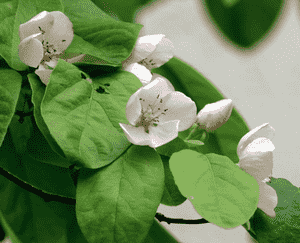
This leafy tree, recognized for its fragrant produce and pinkish-white flowers, necessitates meticulous trimming to preserve its well-being and optimize harvest. For quince, conduct pruning in the latter part of winter by excising deceased or ailing wood, reducing congested limbs, and sculpting for an unobstructed core to boost light penetration and air movement. The crucial aspect is to execute precise incisions at a 45-degree incline directly above buds facing outward. Trimming quince not only encourages development but also enhances the dimensions and excellence of the fruit.
What Are the Benefits of Pruning Quince?
What Are the Benefits of Pruning Quince?
Trimming quince promotes a more abundant harvest, stimulates robust development, and maintains an appealing form for aesthetic value and structural soundness.
What Is the Best Time for Pruning Quince?
What Is the Best Time for Pruning Quince?
Late winter is considered the ideal period to trim quince because the plant remains dormant, minimizing stress and the risk of disease. Pruning before spring growth allows quince to recover from cuts and direct energy towards new growth. The absence of leaves during this time also offers better visibility for precise cuts, crucial for shaping and promoting a strong structure. This timing ensures flowering and fruiting are unaffected, as quince flowers on the previous year's growth.
What Tools Do I Need to Prune Quince?
Hand Pruners
Perfect for making precise cuts on quince's smaller branches, ensuring the removal of dead or diseased wood without harming healthy parts.
Lopping Shears
Required for cutting through thicker branches of quince that hand pruners cannot manage, providing improved reach and leverage.
Pruning Saw
Essential for larger branches of quince, where loppers are insufficient due to the size or accessibility of the branches.
Hedge Shears
Useful for shaping quince's outer foliage and maintaining a desired form, though used less frequently than other tools.
Pole Pruner
Helpful for reaching higher branches of quince without needing a ladder, enhancing safety and convenience during trimming.
How to Prune Quince
Step1: Inspect Plant for Pruning Needs
Examine quince for any indications of dead wood, diseased branches, or unproductive branches. This initial assessment should determine the extent of necessary pruning. The optimal time to prune is late winter or early spring before bud break.
Step2: Sterilize Pruning Tools
Sanitize your pruning tools with a solution of 1 part bleach to 9 parts water to prevent disease transmission. Dip or wipe the tool blades with the solution before beginning your work.
Step3: Remove Dead Wood
Start by eliminating any dead wood. Make cuts at a 45-degree angle approximately 1/4 inch above a live bud or branch. The cut should slope away from the bud to prevent water accumulation and rot.
Step4: Cut Away Diseased Branches
Identify and remove diseased branches next. Cut the branch several inches below the affected area. Ensure the cut is clean and does not tear the bark. Dispose of diseased material immediately and do not compost to avoid spreading pathogens.
Step5: Prune Unproductive Branches
Trim unproductive branches, which are older and have not yielded fruit for several seasons. Cut these branches back to a strong lateral branch or make a clean cut at the base of the branch to stimulate new growth.
Step6: Assess Shape and Thin Crowded Areas
After removing the three specified types of branches, step back to evaluate the overall shape of quince. Thin out any crowded areas to improve light penetration and air circulation, which are vital for fruit production and disease prevention.
Step7: Create Open Center or Vase Shape
When shaping quince, aim for an open center or vase shape, allowing sunlight to reach the tree's middle. This may involve cutting back some central branches to outward-facing buds or branches.
Step8: Ensure Clean Cuts With Sharp Tools
Make all pruning cuts clean and smooth. Jagged cuts can attract pests and disease. Use sharp pruning shears, loppers, or a pruning saw depending on the branch size.
Step9: Clean Up Pruning Debris
Finish by clearing all pruning debris from around the base of quince. This helps minimize the risk of pests and diseases. Dispose of or burn the removed branches as appropriate.
Step10: Monitor Plant Post-Pruning
Observe quince after pruning for signs of new growth and potential issues. Provide adequate water, nutrients, and protection from pests and diseases as part of ongoing care.
Post-Pruning Care for Quince
Post-Pruning Care for Quince
Immediately after trimming quince, ensure cuts are clean to promote healing. Adjust environmental conditions to provide ample sunlight and maintain moderate humidity and temperature levels conducive to recovery. Apply balanced fertilizer to replenish nutrients, supporting regrowth. Regularly inspect for stress symptoms, such as wilting or discoloration, and signs of infection like oozing from cuts. Promptly address any issues with appropriate cultural or chemical treatments to prevent further damage.
Common Pruning Mistakes with Quince
Over-pruning Stresses Plant and Reduces Fruit Yield
Trimming too much at once, which can stress quince and potentially decrease its fruit production capacity.
Improper Cutting Causes Poor Healing and Disease Risk
Making cuts too close to buds, removing too much of the spur, or leaving stubs, which can lead to poor healing and disease entry.
Failure to Remove Dead Wood Impacts Growth and Health
Neglecting to remove dead or diseased wood, which can impede quince's growth and overall health.
Blunt or Dirty Tools Damage Branches and Spread Disease
Using dull or unclean tools which can harm branches and introduce pests or diseases to quince.
Unplanned Pruning Leads to Misshapen or Unbalanced Plant
Trimming without a clear objective, resulting in a misshapen or unbalanced quince structure.
Common Pruning Tips for Quince
Start with Removing Dead or Diseased Branches for Health
Begin by removing any dead, diseased, or damaged branches to foster the health and vigor of quince.
Maintain Central Leader to Improve Shape and Structure
Identify and preserve a strong central leader, eliminating any competing branches to enhance quince's shape and structure.
Make Clean, Angled Cuts Near Healthy Buds or Branches
Cut back to a healthy bud or lateral branch, ensuring the cut is clean and angled away from the bud to prevent water accumulation.
Thin Crowded Areas for Better Airflow and Fruit Production
Thin out crowded areas to increase air circulation and light penetration, which can reduce disease pressure and promote better fruiting.
Retain Fruiting Spurs on Older Wood for Better Yield
Keep several well-placed laterals on the main branches to serve as fruiting spurs, as quince bears fruit on wood that is at least one year old.



