Enhancing Your Garden Design with the Quince Plant: A Landscaping Guide
1
Introducing Quince brings distinct visual elements and seasonal changes to your outdoor space.
2
Thoughtfully positioning Quince can emphasize walkways and key areas within your garden.
3
Growing Quince alongside suitable partners boosts its development and offers organic pest management strategies.
Appreciating the Visual Charm of Quince
Year-Round Color Changes: How Quince Transforms Seasonally
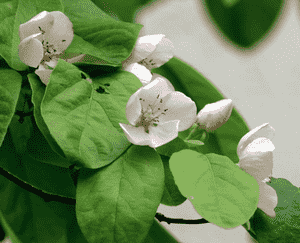
A captivating feature of Quince is its capacity for seasonal transformation. In spring, it erupts with vivid, striking blooms, signaling the start of the growing period. As flowers fade, lush green foliage emerges, offering a fresh, inviting garden aesthetic through summer. By autumn, Quince leaves shift to warm yellows and reds, adding seasonal warmth to your landscape. Even in winter, its bare branches provide structural interest and serene beauty.
Distinct Textures: Enhancing Garden Depth with Quince
In garden design, texture is as vital as color, and Quince provides both in abundance. Its leaves are broad and slightly fuzzy, offering a tactile contrast to other plants. The gnarled, twisted branches add rustic charm and create depth and complexity. This textural variety makes Quince visually engaging and enriches the garden's overall sensory experience.
Growth Habits: Understanding Quince's Landscape Expansion
Grasping Quince's growth patterns is essential for seamless landscape integration. This plant typically grows as a small tree or large shrub, reaching 15 to 20 feet in height. Its spread roughly matches its height, necessitating ample space to flourish. Quince grows slowly but steadily, maturing over several years. Knowing these habits aids in proper placement planning, preventing it from overshadowing smaller plants or becoming overcrowded.
Strategic Placement of Quince in Garden Design
Accentuating Garden Paths and Walkways with Quince
An effective use of Quince in your landscape is to highlight garden paths and walkways. Its visually appealing foliage and blooms can form a welcoming corridor, guiding visitors through your garden. Positioning Quince along path curves and turns can also create intrigue and anticipation, enhancing the garden journey.
Utilizing Quince as a Central Feature in Garden Layouts
Given its distinct visual characteristics, Quince excels as a focal point in garden designs. Placed centrally or at the end of a sightline, Quince draws the eye and grounds the area. Its seasonal changes provide continuous interest, ensuring it remains a captivating element throughout the year.
Balancing Sun and Shade: Ideal Locations for Quince
Quince thrives best in spots receiving full sun to partial shade. Achieving the right sunlight balance is crucial for its health and development. Too much shade can lead to fewer flowers and weaker growth, while excessive direct sun can stress the plant. Placing Quince where it gets morning sun and afternoon shade often yields optimal results.
Companion Planting and Quince
Optimal Companion Plants for Quince in Various Climates
When selecting companion plants for Quince, it's vital to choose species that flourish under similar conditions. Excellent companions include herbaceous perennials like daylilies and ornamental grasses, which prefer a similar sun and shade mix. Adding spring bulbs such as daffodils can further enhance Quince's early blooms for a more dramatic display.
Advantages of Integrated Planting: Boosting Quince's Development
Integrated planting not only boosts your garden's aesthetic appeal but also benefits Quince's growth. Companion plants can improve soil quality, provide ground cover to retain moisture, and even attract beneficial insects. This holistic approach fosters a healthier garden ecosystem, promoting the vitality of Quince and its neighboring plants.
Pest Management: Natural Solutions Through Companion Planting with Quince
Companion planting offers natural pest control methods that can aid Quince. For instance, planting garlic or chives nearby can deter pests like aphids and spider mites. Marigolds, with their strong scent, can repel nematodes and other harmful insects. These natural deterrents reduce the need for chemical interventions, creating a healthier environment for Quince and your entire garden.
Seasonal Care Advice for Quince in Your Landscape
Spring Maintenance: Preparing Quince for Active Growth
Spring is a critical period to ready Quince for its active growth phase. Begin by pruning any dead or damaged branches to encourage healthy new development. Applying a balanced, slow-release fertilizer can provide Quince with essential nutrients. Additionally, mulching around the plant's base helps retain moisture and suppress weeds.
Summer Guidance: Managing Heat and Humidity for Quince
During summer, Quince may require extra attention to handle heat and humidity. Ensure it receives adequate water, especially during dry spells, but avoid overwatering to prevent root rot. Providing some shade during the day's hottest hours can also help reduce plant stress.
Fall and Winter Strategies: Protecting Quince During Dormancy
As Quince enters its dormant phase in fall and winter, specific care strategies are important. Protecting the root zone with a layer of mulch can help insulate against cold temperatures. If severe frost is anticipated, covering the plant with burlap or frost cloth can prevent damage to branches and buds. It's also a good time to clear away fallen leaves and debris to minimize disease and pest risks.



