How to Transplant Aussie plume?
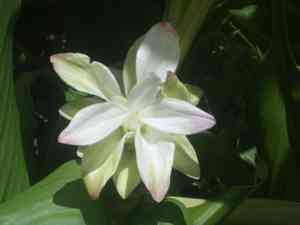
Aussie plume flourishes when relocated in mid-spring because of mild temperatures. Provide a site with partial shade and good drainage to encourage vigorous development. Bear in mind, these circumstances enhance the plant's adjustment to its new environment, promoting sound growth.
What Preparations are Needed Before Transplanting Aussie Plume?
What is the Ideal Time for Transplanting Aussie Plume?
Aussie plume, a Perennial, flourishes when moved in mid to late spring. This period offers prime soil warmth and consistent moisture, promoting strong root development. Relocating during this time supports healthy growth and prepares aussie plume for the summer, boosting its resilience and flowering potential.
How Much Space Should You Leave Between Aussie Plume Plants?
When relocating aussie plume, ensure plants are spaced 12-24 inches (30-60 cm) apart. This provides ample room for growth and guarantees proper air circulation, aiding in their health and vibrancy.
What is the Best Soil Mix for Aussie Plume Transplanting?
Prepare the soil for aussie plume by selecting a well-draining, loamy type. Incorporate compost or a balanced base fertilizer to enrich the soil with essential nutrients. This will support root growth and overall development.
Where Should You Relocate Your Aussie Plume?
Aussie plume prefers a spot with partial to full shade, as excessive direct sunlight can stress the plant. Choose a garden location where it will receive filtered sunlight or a few hours of morning sun.
What Equipments Should You Prepare Before Transplantation Aussie Plume?
Gardening Gloves
To shield your hands while handling soil and plants.
Trowel
For digging small holes and working around the plant's root structure.
Spade or Shovel
To excavate larger holes and trenches for plant removal and replanting.
Watering Can or Hose
To hydrate the plant before and after its relocation.
Pruners
For trimming any damaged or dead roots and foliage.
Mulch
To help retain moisture and regulate soil temperature post-transplant.
How Do You Remove Aussie Plume from the Soil?
How Do You Remove Aussie Plume from the Soil?
From Ground: First, hydrate the aussie plume plant to moisten the soil. Next, dig a wide trench around the plant using a spade or shovel, ensuring the plant's root ball remains intact. Carefully work the shovel beneath the root ball to lift the plant from its original spot, taking care not to harm the roots.From Pot: Water the aussie plume plant thoroughly to facilitate its removal from the pot. Gently tap the sides and bottom of the pot to loosen the soil. Carefully slide the plant out, supporting the root ball with your hand. If the plant is root-bound, gently separate some of the roots before transplanting.From Seedling Tray: Water the seedlings well to simplify removal. Use a trowel or your fingers to carefully lift each seedling from the tray, ensuring as much of the root system remains intact as possible. Handle seedlings by their leaves to avoid damaging delicate stems.
Step-by-Step Guide for Transplanting Aussie Plume
Site Preparation
Select an appropriate location for your aussie plume plant. Ensure the hole is twice as wide and equally deep as the plant's root ball. Loosen the soil at the bottom of the hole to encourage root development.
Planting Depth
Position the aussie plume plant into the hole at the same depth it was previously growing. The top of the root ball should be level with the surrounding ground.
Backfill and Firm
Refill the hole with soil, gently compacting it around the root ball to eliminate air pockets. Be gentle yet firm to ensure the plant is stable.
Watering
Thoroughly water the aussie plume plant to help the soil settle around the roots. Aim to keep the soil consistently moist during the initial establishment phase.
Mulching
Apply a layer of mulch around the base of the aussie plume plant, keeping it a few inches away from the stem to prevent rot. Mulch aids in moisture retention and soil temperature regulation.
How Do You Care For Aussie Plume After Transplanting?
Watering
Keep the soil around the aussie plume plant consistently moist, but not waterlogged, for the first few weeks after transplanting to help establish strong roots.
Monitoring
Regularly inspect the aussie plume plant for signs of stress such as wilting or yellowing leaves. Address any issues promptly by adjusting watering or checking for pests.
Mulching
Keep mulch in place to maintain soil moisture and temperature. Reapply as necessary to keep a consistent layer.
Support
If needed, consider using stakes or supports to help stabilize the aussie plume plant as it establishes in its new location.
Pruning
Remove any damaged or dead leaves to encourage healthy growth.
Troubleshooting Common Issues with Aussie Plume Transplantation.
When is the best time to transplant aussie plume?
The ideal time to relocate aussie plume is mid to late spring when temperatures are moderate.
How much space should I leave between each aussie plume plant?
Ensure a spacing of 12-24 inches (30-60 cm) between each aussie plume plant for optimal growth.
What soil type is best for transplanting aussie plume?
Well-drained, loamy soil enriched with organic matter is ideal for transplanting aussie plume.
How do I prepare the soil for transplanting aussie plume?
Loosen the soil to a depth of 8-12 inches (20-30 cm) and mix in compost.
Should I water aussie plume immediately after transplanting?
Yes, thoroughly water aussie plume immediately after transplanting to help settle the roots.
Do I need to provide shade after transplanting aussie plume?
Yes, partial shade for the first few weeks can help aussie plume establish more effectively.
What is the ideal temperature range for transplanting aussie plume?
Transplant aussie plume when daytime temperatures are between 65-75°F (18-24°C).
How deep should I plant aussie plume when transplanting?
Plant aussie plume at the same depth it was in the original container, usually 2-3 inches (5-8 cm) deep.
Are there any pests to watch for when transplanting aussie plume?
Watch for aphids and spider mites, which can be common pests on newly transplanted aussie plume.
How often should I water aussie plume after transplanting?
Water aussie plume consistently, keeping the soil moist but not waterlogged, to help it establish roots.



