How to Prune Aussie plume?
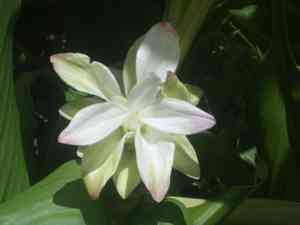
Aussie plume, recognized for its vivid leaves and impressive blossoms, flourishes with appropriate trimming. Perform pruning in early spring or late winter, coinciding with its developmental phase. Eliminate deceased or injured foliage to foster more robust development. Snip off faded blooms to encourage extended flowering durations. Guarantee adequate air movement to deter ailments. Consistent pruning improves the plant's visual attractiveness and vitality. Consult authoritative gardening resources for precise methods customized for aussie plume.
What Are the Benefits of Pruning Aussie Plume?
What Are the Benefits of Pruning Aussie Plume?
Aussie plume thrives with pruning, which encourages robust development and maintains its desired form. Trimming aids in eliminating dead or diseased sections, boosts blooming, manages size, and enhances overall look, resulting in a healthier and more attractive plant.
What Is the Best Time for Pruning Aussie Plume?
What Is the Best Time for Pruning Aussie Plume?
Trimming aussie plume in late winter to early spring is optimal, allowing the plant to recover swiftly as it enters its active growth phase. During this period, aussie plume prepares for new growth and flowering, ensuring cuts heal properly before peak growing season. Additionally, pruning at this time avoids disrupting the plant's flowering cycle, as aussie plume typically blooms later in the growing season. This timing also reduces the risk of pest and disease infestation, which is more common during warmer months.
What Tools Do I Need to Prune Aussie Plume?
Bypass Pruners
Bypass pruners are crucial for making precise cuts on the soft stems of aussie plume. They minimize harm and lower the chance of disease.
Sterilized Scissors
Ideal for precise trimming of individual leaves and small stems. Sterilization prevents pathogen spread.
Loppers
Useful for cutting thicker stems or dead growth without crushing the plant tissue.
Garden Gloves
Protect your hands from potential sap irritations and provide better grip while pruning.
How to Prune Aussie Plume
Assess
Examine aussie plume to identify diseased and withered leaves that require removal.
Sanitize
Clean and sterilize pruning tools to prevent disease transmission.
Cut diseased
Carefully trim diseased leaves close to the base, ensuring all affected parts are removed to promote healthy growth.
Remove withered
Clip withered leaves at the closest point to the main stem without harming healthy sections.
Dispose
Properly discard all trimmed leaves to prevent any pests or diseases from affecting aussie plume or other nearby plants.
Common Pruning Mistakes with Aussie Plume
Improper Technique
A common error is using dull or dirty pruning tools, which can tear or infect plant tissues instead of making clean cuts. This can lead to disease and slower recovery for aussie plume.
Over-pruning
Another frequent mistake is removing too much foliage or stems at once. This can stress aussie plume and hinder its ability to photosynthesize effectively, which is vital for its overall health and flowering.
Ignoring Diseased Parts
Failing to identify and remove diseased or dead parts can cause infections to spread throughout aussie plume, further compromising its health.
Cutting Too Close to the Base
Pruning too close to the base of the stems or near the root crown can damage aussie plume's growth points and prevent new shoots from developing.
Inconsistent Pruning
Some gardeners either prune too frequently or not often enough. Inconsistent pruning can lead to an irregular shape and uneven growth patterns in aussie plume.
Common Pruning Tips for Aussie Plume
Sharp and Clean Tools
Always use sharp and sterilized pruning shears to make clean cuts. This helps to minimize trauma to aussie plume and reduces the risk of infection.
Moderate Pruning
Maintain a balance by only removing up to one-third of the plantâs foliage and stems in a single pruning session to avoid stressing aussie plume.
Focus on Airflow
Aim to thin out the center of aussie plume slightly to encourage light penetration and air circulation, which helps to prevent diseases and promotes healthy growth.
Cut Above Nodes
When pruning stems, make cuts just above a node or bud. This encourages aussie plume to produce new shoots and can lead to more robust flowering.
Regular Inspections
Periodically inspect aussie plume for any signs of disease or dead material and prune these parts immediately to maintain health. Consistent oversight ensures that problems are addressed early on.



