How to Overwinter Aussie plume
1
The Aussie plume is a delicate plant, indicating it cannot withstand freezing temperatures.
2
Optimal indoor temperatures for keeping Aussie plume over winter are between 18-24°C (65-75°F).
3
Frequent inspections for insects and illnesses are vital to maintain your Aussie plume's health during the colder months.
Why Aussie plume Needs Special Care in Winter
Why Aussie plume Needs Special Care in Winter
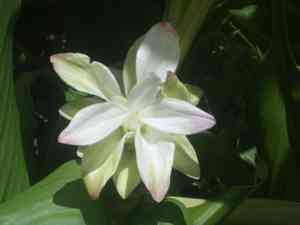
The Aussie plume is a stunning, tropical plant cherished for its vibrant foliage and distinctive flower spikes. However, as a species sensitive to frost, it cannot endure cold temperatures. When the temperature falls below 10°C (50°F), this plant can suffer from frost damage, potentially causing wilting, yellowing, and even death. Consequently, bringing your Aussie plume indoors for winter is essential to ensure its health and longevity. Proper winter care emulates its native tropical habitat, protecting it from the cold and supplying the necessary warmth, humidity, and light.
Preparing Your Aussie plume for Winter
Cleaning and Pruning
Before relocating your Aussie plume indoors, it's crucial to thoroughly clean it. Remove any dead leaves and flowers to prevent decay that could attract pests. Trimming back leggy growth will not only help the plant maintain a manageable size indoors but also promote denser, healthier growth in the spring. Use sharp, sterilized pruning shears for clean cuts, and ensure you don't remove more than one-third of the plant at once.
Inspecting for Pests and Diseases
A comprehensive inspection for pests and diseases is vital before bringing your Aussie plume inside. Common pests like spider mites, aphids, and mealybugs can hide beneath leaves and within the soil. Carefully examine all parts of the plant and treat any infestations with an appropriate insecticidal soap or neem oil. Additionally, look for signs of disease such as spots on leaves or unusual discoloration. Early detection and treatment can prevent these issues from spreading indoors.
Choosing the Right Indoor Location
Ideal Temperature and Humidity
Once your Aussie plume is clean and healthy, select the appropriate indoor spot for it. The optimal temperature range for overwintering is between 18-24°C (65-75°F). Maintaining a stable temperature will help the plant adapt without stress. Humidity is another critical factor; the Aussie plume prefers a humid environment similar to its tropical origins. Regularly misting the plant or placing it near a humidifier can replicate these conditions, helping to keep the foliage lush.
Lighting Requirements
The Aussie plume thrives in bright, indirect light. While indoors, position it near a south or east-facing window where it can receive ample light but is shielded from direct sun exposure, which can scorch its leaves. If natural light is insufficient, consider using a grow light to ensure the plant receives about 10-12 hours of light daily.
Watering and Feeding Practices During Winter
Adjusting Watering Frequency
In winter, the Aussie plume enters a period of slower growth, meaning its water requirements decrease. Overwatering can lead to root rot, so it's essential to adjust your watering schedule. Check the soil moisture level by inserting your finger about an inch into the soil; if it feels dry, it's time to water. Typically, watering once every two weeks should suffice, but always adjust based on your home's specific conditions.
Fertilizing Considerations
During the winter months, the Aussie plume does not require as much feeding because its growth slows down. Fertilizing the plant every 6-8 weeks with a diluted, balanced liquid fertilizer will be sufficient to provide necessary nutrients without overwhelming it. Always dilute the fertilizer to half strength to avoid burning the roots.
Monitoring and Maintenance Tips
Detecting Signs of Stress
Watch for signs of stress, such as wilting, yellowing leaves, or leaf drop. These could indicate issues with watering, light, or temperature. Address these problems promptly by adjusting the plant's environment or care routine. For example, if the leaves are yellowing, it could signal overwatering, prompting a drier soil approach.
Routine Checkups
Regularly inspect your Aussie plume for any new signs of pests or disease during its time indoors. Dust the leaves occasionally to keep them clean, and rotate the plant every few weeks to ensure even light exposure on all sides. By maintaining a consistent care routine, you can help your Aussie plume thrive indoors until it's ready to return outside in the spring.



