How to Transplant Golden eye-grass?
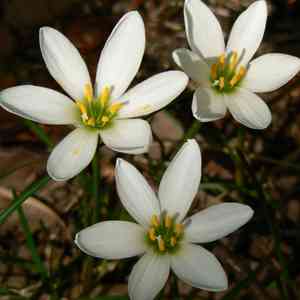
Relocate golden eye-grass during the peak growing season, when sunlight is plentiful. Select a location offering partial shade and effective water runoff. Bear in mind that golden eye-grass flourishes with attentive nurturing â prevent excessive density for robust development.
What Preparations are Needed Before Transplanting Golden Eye-grass?
What is the Ideal Time for Transplanting Golden Eye-grass?
The best time to move golden eye-grass is in early summer, when warmer temperatures aid root establishment. Relocating it during this season promotes strong growth, boosting the plant's vigor. This period is ideal for a fresh start, maximizing golden eye-grass's potential to flourish in its new spot.
How Much Space Should You Leave Between Golden Eye-grass Plants?
Prepare to plant golden eye-grass by ensuring a clear area of approximately 1-2 feet (about 30-60 cm) between them. This provides ample room for their expansion and development.
What is the Best Soil Mix for Golden Eye-grass Transplanting?
Ensure golden eye-grass thrives by preparing a well-draining soil mixture, enriched with a base fertilizer and organic matter. A blend of loam and sand is preferred for this plant.
Where Should You Relocate Your Golden Eye-grass?
Find the perfect location for golden eye-grass where it can receive partial to full sunlight daily. However, some shade is beneficial during intense afternoon sun.
What Equipments Should You Prepare Before Transplantation Golden Eye-grass?
Gardening Gloves
Essential for hand protection when handling soil and the golden eye-grass plant.
Shovel or Spade
Needed to dig the transplanting hole and lift the plant from its original spot.
Garden Trowel
Useful for digging around smaller plants or for precise transplanting tasks.
Watering Can or Garden Hose
Crucial for hydrating the plant before and after its relocation.
Garden Pruner
For trimming dead or excess growth, encouraging healthier development post-transplant.
Organic Mulch
Helps maintain soil moisture and provides a protective layer for the plant's roots.
How Do You Remove Golden Eye-grass from the Soil?
How Do You Remove Golden Eye-grass from the Soil?
From Ground: First, water the golden eye-grass plant to moisten the soil, which will ease removal and reduce plant stress. Using a shovel or spade, dig a wide trench around the plant, keeping the root ball intact. Carefully work the spade beneath the root ball to lift the plant from its original spot.From Pot: Water the golden eye-grass plant sufficiently. Invert the pot, gently hold the plant at its base, and carefully ease it out. Never pull forcefully, as this can harm the root system.From Seedling Tray: Water the seedlings first. Push up from the cell's base or use a tool to gently lift each seedling, avoiding damage to delicate roots.
Step-by-Step Guide for Transplanting Golden Eye-grass
Preparation
Begin by thoroughly watering the golden eye-grass plant in its original location or container. This aids in removal and lessens transplant shock.
Hole Digging
Use a shovel to create a hole twice as wide and as deep as the plant's root ball. This extra space allows roots to spread comfortably.
Placement
Carefully position the golden eye-grass plant in the hole, ensuring the top of the root ball is level with the ground. This is crucial for proper establishment.
Backfilling
Gently refill the hole, firming the soil around the plant. Make sure there are no air pockets, which can dry out the roots.
Watering
Water the plant generously immediately after transplanting to settle the soil around the roots and aid in its recovery.
How Do You Care For Golden Eye-grass After Transplanting?
Moisture Regulation
Maintain consistent soil moisture, especially during the initial weeks post-transplant. However, prevent waterlogging, which can cause root rot.
Pruning
Trim any dead or excessive growth from the golden eye-grass plant a week after transplanting to encourage healthier, bushier development.
Mulching
Apply a 2-3 inch layer of organic mulch around the plant, but not touching the stem, to prevent decay. This helps retain moisture and suppress weeds.
Monitoring
Observe the golden eye-grass plant for any signs of transplant shock, such as wilting, yellowing, or drooping. If observed, provide immediate appropriate care and consult a local nursery or gardening expert if necessary.
Troubleshooting Common Issues with Golden Eye-grass Transplantation.
When is the ideal time to transplant golden eye-grass?
Golden eye-grass should ideally be transplanted during late spring to early summer (S4-S6). This ensures the best chance of survival and growth.
What is the perfect spacing for transplanting golden eye-grass?
For golden eye-grass, the ideal spacing should be 1 to 2 feet (0.3 to 0.6 m) apart from each other to allow room for proper growth and development.
What happens when golden eye-grass is transplanted in the wrong season?
Transplanting golden eye-grass in the wrong season may hinder its growth and development. This can result in the plant being less vigorous and potentially succumbing to stress or disease.
Why is my transplanted golden eye-grass not growing?
Ensure that golden eye-grass has been given the proper care. Common issues could be improper watering, unsuitable soil, or inadequate sunlight. If this is corrected, your golden eye-grass should thrive well.
What is the correct way to prepare the soil before transplanting golden eye-grass?
Before you transplant golden eye-grass, the soil should be well-drained, sufficiently rich in organic matter and nutrients. Also, pay close attention to its pH level, which should ideally be slightly acidic to neutral.
How do I properly water golden eye-grass after transplanting?
After transplanting golden eye-grass, water thoroughly, ensuring the water reaches the root zone. Avoid waterlogging as it may lead to root rot. A balanced approach to watering is key.
What's the best way to prune golden eye-grass after transplanting?
After transplanting golden eye-grass, only minimal pruning is necessary. Remove any damaged, weak, or overcrowded growth to promote healthy development and shape.
Should I fertilize golden eye-grass after transplanting?
Yes, it's crucial to provide golden eye-grass with nutrients after transplanting. Start with a slow-release granular fertilizer; this should be enough to see healthy growth.
Why are the leaves of my transplanted golden eye-grass turning yellow?
Yellowing leaves could be a sign of excessive watering or nutrient deficiency. Check the moisture level of the soil and ensure golden eye-grass is receiving balanced nutrition.
Can I mature golden eye-grass indoors after transplanting?
Golden eye-grass can mature indoors if it is given enough light. However, it grows best outdoors where it can receive adequate sunlight and better adapt to weather changes.



