Golden eye-grass (Curculigo orchioides)
Also known as: Kali musli, Nelamuli, Nelataale
The **Vanuatu Fan Palm** (*Pritchardia pacifica*) is a stunning flowering plant native to Asia and the Pacific Islands. Its leaves, which grow in unique fan shapes directly from the root, make it easily recognizable. Typically found in woodland areas, this plant is becoming increasingly rare in its natural habitat.
In This Article
Attributes of Golden eye-grass
Lifespan
Perennial
Plant Type
Herb
Plant Height
50 cm
Spread
50 cm
Leaf Color
Dark Green
Flower Size
1.3 cm to 1.9 cm
Flower Color
Yellow
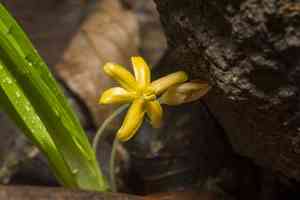
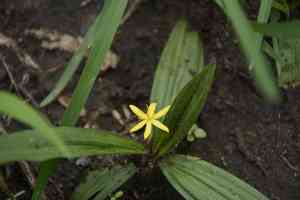
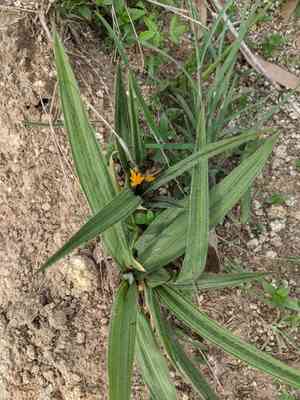
Images of Golden eye-grass
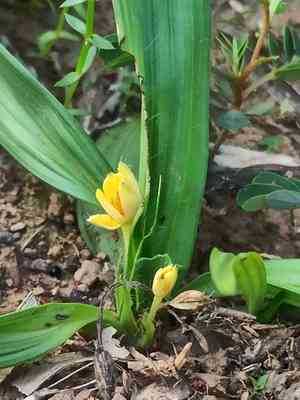
Quickly Identify Golden eye-grass
1
Curculigo orchioides can be identified by its long, linear leaves that are dark green and often pleated. The plant produces small, yellow flowers that are formed at the base in clusters.
Scientific Classification of Golden eye-grass
Phylum
Vascular plants
Class
Monocotyledons
Order
Asparagales
Family
Stargrass
Genus
Curculigo
Species
Golden eye-grass
Planting and Growing of Golden eye-grass
Care Difficulty
Easy
Watering Schedule
Every 2 days
Sunlight Requirements
Partial sun
Sunshine Duration
4-8 hours
Ideal Temperature
68-77℉
Soil Type
Potting Mix, Peat Mix
Soil pH
6.5-7.5
Fertilizer Type
Balanced
Pruning Season
Spring, Summer
Pruning Area
Branches, Leaves
Pruning Frequency
2 times a year
Repotting Season
Spring
Pot Type
Plastic, Ceramic
 How to Water Golden eye-grass?
Curculigo orchioides prefers consistent moisture without waterlogging. The plant should be thoroughly watered until water slightly drains out of the bottom of the pot, ensuring the soil is evenly moist without pooling at the base.
What are the symptoms of an underwatered Golden eye-grass?
›
What should I do if my Golden eye-grass is not getting enough water?
›
What are the symptoms of an overwatered Golden eye-grass?
›
How to save an overwatered Golden eye-grass?
›
 What Are the Sunlight Requirements for Golden eye-grass?
Curculigo orchioides thrives in partial sunlight conditions. Such lighting promotes optimal growth, keeping the plant healthy and robust. Ideal conditions ensure vibrant foliage and support the plant's natural growth cycle.
More About Sunlight Requirements Techniques→
What type of sunlight is ideal for Curculigo orchioides?
›
How can I achieve the ideal lighting conditions?
›
What are the benefits of providing ideal lighting?
›
 What Is the Ideal Temperature Range for Golden eye-grass?
Curculigo orchioides thrives ideally between 68°F and 77°F. This temperature range supports optimal photosynthesis and nutrient uptake, ensuring healthy growth. Maintaining these temperatures mimics the plant's native tropical climate conditions, promoting robust health and resilience against environmental stressors.
 What Soil is Best for Golden eye-grass?
Curculigo orchioides thrives best in well-drained soil that prevents water stagnation, aiding its root health and overall growth. Ensuring proper drainage helps safeguard against root rot and encourages robust plant development. Soil with moderate fertility provides essential nutrients without overwhelming the plant, fostering balanced growth. This helps Curculigo orchioides maintain its natural vigor and supports the production of its tuberous root system. The ability of soil to retain moisture is crucial for Curculigo orchioides, as it requires consistent hydration. Proper soil moisture ensures the plant receives adequate water for photosynthesis and sustenance during dry spells.
 How to Fertilize Golden eye-grass?
Curculigo orchioides prefers a balanced nutrient uptake. For liquid fertilizers, use a solution diluted to half strength, around 1/4 teaspoon per gallon. For solid fertilizers, apply 1 teaspoon per square foot of soil. This ensures the plant receives adequate nutrients without risk of nutrient toxicity.
 How to Prune Golden eye-grass?
Begin by examining the plant for any dead or discolored leaves. Carefully trim these away, making clean cuts close to the base without damaging healthy parts. Shape the plant by trimming any excessively long or unruly stems. Aim for a balanced look that maintains the plant's natural form while promoting symmetrical growth. Prune lightly around areas showing new growth to encourage thicker, bushier development. This also aids in air circulation, reducing the risk of fungal infections.
More About Pruning Techniques→
 How to Propagate Golden eye-grass plant?
1
Select a suitable potting mix that provides good drainage. The soil should be rich in organic matter to provide nutrients necessary for plant growth.
2
Sow the seeds evenly on the prepared surface, ensuring they are not overcrowded. Cover them lightly with soil to protect them while allowing sunlight to reach them.
3
Maintain consistent moisture in the soil during propagation. Ensure the soil is damp, but not waterlogged, to aid the germination process.
 How to Repot Golden eye-grass plant?
1
Repot Curculigo orchioides when you notice the roots are coiling tightly within the pot or growing out of the drainage holes. A lack of growth or wilting can also indicate the need for repotting.
2
Select a pot that is only slightly larger than the current one, ensuring proper drainage with a hole at the bottom. A pot that is too big may retain excess water, risking root rot.
3
Opt for a well-draining soil mix that can retain adequate moisture but prevents waterlogging. This balanced environment mimics natural conditions and supports healthy root development.
Learn More About Golden eye-grass Diseases
Anthracnose
Bacterial Leaf Spot
Bacterial Soft Rot
Bacterial Wilt
Crown Gall
Cyst Nematode
Damping-off
Downy Mildew
Fusarium Wilt
Gray Mold
Leaf Spot
Mosaic
Powdery Mildew
Root Rot
Root-knot Nematode
Rusts
Sooty Mold
White Mold
Chemical Injury
Drought Stress
Nutrient Deficiency
Nutrient Toxicity
Temperature Stress
Spider Mites
Thrips Damage



