How to Prune Golden eye-grass?
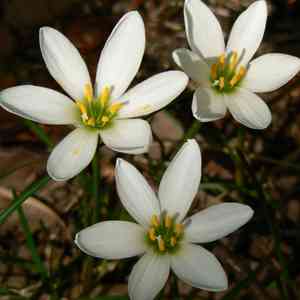
A persistent herbaceous plant recognized for its spear-shaped leaves, golden eye-grass flourishes with infrequent trimming to preserve its clustered form. Trimming ought to be carried out when necessary to eliminate deceased or injured leaves and stimulate new development. Given its resilient character, cultivators may trim golden eye-grass at any point during the year, though the most favorable outcomes are attained just prior to the active growth period. Consistent trimming fosters well-being and discourages infestations by enhancing air movement within the plant's canopy.
Advantages of Trimming Golden Eye-grass
Advantages of Trimming Golden Eye-grass
Trimming golden eye-grass promotes more blossoms, boosts its vitality, and maintains its form. Deliberate cuts enhance health and beauty, crucial for this plant's flourishing.
Optimal Time for Trimming Golden Eye-grass
Optimal Time for Trimming Golden Eye-grass
Golden eye-grass can be trimmed throughout the year, but late winter to early spring is the most suitable period. This timing aligns with the end of golden eye-grass's dormant phase and precedes its active growth cycle, allowing the plant to recover more efficiently and direct energy into new development. Trimming at this time minimizes disease risk and reduces plant stress. Furthermore, it helps avoid cutting off new shoots that emerge during golden eye-grass's active growing season. Pruning before the growth spurt also offers an opportunity to shape the plant without interference from developing foliage, providing a clearer view of its structure.
Necessary Tools for Trimming Golden Eye-grass
Bypass Pruners
Perfect for precise cuts on thin stems and leaves without crushing plant tissue, ensuring golden eye-grass's delicate stems are cut cleanly to maintain plant health.
Hand Shears
Useful for shaping the grass-like foliage of golden eye-grass and for removing any dead or yellowing leaves at the plant's base, keeping it neat.
Gardening Gloves
Though not a cutting tool, gloves protect the gardener's hands from sharp edges or irritants when handling golden eye-grass, improving safety during the trimming process.
How to Trim Golden Eye-grass
Sanitize tools
Before beginning, sanitize all trimming tools with a solution of 1 part bleach to 9 parts water to prevent disease spread to golden eye-grass.
Remove diseased leaves
Carefully remove any diseased leaves from golden eye-grass by cutting them at the base where the leaf stem meets the main plant stem, being careful not to harm healthy tissue.
Trim withered leaves
Trim any withered leaves on golden eye-grass to maintain a neat appearance and redirect energy to healthier growth. Make cuts close to the base of the leaf stem.
Cut dead branches
Remove dead branches from golden eye-grass by cutting at the point where they connect with healthy wood. Ensure cuts are clean and angled to prevent water accumulation that could lead to rot.
Prune diseased branches
Carefully prune diseased branches from golden eye-grass, cutting well into healthy tissue to ensure all diseased material is removed. Sanitize your tools after each cut to prevent disease spread.
Deadhead flowers
Deadhead withered flowers on golden eye-grass by snipping the flower stem just above the first set of healthy leaves. This encourages new flower production and can improve the plant's overall health.
Common Trimming Errors with Golden Eye-grass
Excessive pruning
Removing too much foliage, which can stress golden eye-grass and reduce its ability to photosynthesize and store energy.
Incorrect tool use
Using dull or dirty trimming tools can damage golden eye-grass stems, leading to poor healing and potential disease entry.
Trimming healthy growth
Cutting away healthy leaves or stems unnecessarily, which can hinder the overall vigor and aesthetic appeal of golden eye-grass.
Neglecting hygiene
Failing to sanitize trimming tools before and after use, which can spread disease from plant to plant.
Ignoring plant shape
Trimming without considering the natural growth habit of golden eye-grass, which can result in an unattractive appearance and weaken the plant structure.
General Trimming Advice for Golden Eye-grass
Selective thinning
Remove only dead or yellowing leaves at their base to encourage new growth and maintain golden eye-grass's health without altering its natural shape.
Tool maintenance
Keep trimming tools sharp and clean to ensure clean cuts that heal quickly, minimizing stress on golden eye-grass.
Post-trimming care
After trimming, provide golden eye-grass with sufficient water and potentially a balanced fertilizer to support recovery and new growth.
Conservative approach
Adopt a conservative approach by trimming sparingly; it's always possible to trim more later if needed.
Regular assessment
Regularly inspect golden eye-grass for dead or diseased foliage that should be removed to keep the plant looking its best and promote healthy growth.



