How Much Sunlight Do Golden eye-grass Need?
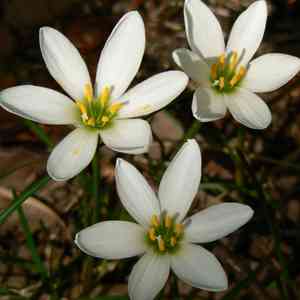
1
Golden eye-grass thrives in bright sun to light shade.
2
Target at least 6 hours of direct sunlight each day for best development.
3
Observe the plant for indications such as yellowing leaves or inhibited growth to modify light levels.
Understanding Golden eye-grass Light Requirements
Natural Habitat and Sunlight
The Golden eye-grass originates from areas with abundant sunshine, which informs its illumination needs. In its native environment, this plant flourishes under bright, direct light. Understanding this helps replicate its optimal growing conditions in your garden or home, ensuring vigorous health and vibrant development.
Sunlight vs. Shade for Golden eye-grass
Golden eye-grass is quite adaptable but distinctly prefers full sunlight. While it can endure partial sun, at least six hours of full sun exposure daily guarantees robust growth. Excessive shade can lead to sparse foliage and weaker plants, highlighting the necessity of adequate light.
Optimal Sun Exposure for Golden eye-grass
How Many Hours of Sunlight Does Golden eye-grass Need?
For the Golden eye-grass to thrive, it requires a minimum of 6 hours of direct sunlight daily. This can be achieved by positioning the plant in a sunny garden spot or near a south-facing window if cultivated indoors.
Best Time of Day for Sunlight Exposure
Morning sunlight, being less intense and cooler, is ideal for Golden eye-grass. This minimizes the risk of leaf scorch. However, if the plant only receives afternoon sun, ensure gradual acclimation to prevent shock, especially during warmer months.
Adapting to Indoor Light Conditions
Can Golden eye-grass Thrive Indoors?
Yes, Golden eye-grass can flourish indoors provided it receives sufficient light. A bright, well-lit location, such as a windowsill that gets direct sunlight for at least part of the day, can work well. Indoor plants might require supplementary lighting to meet their full sunlight demands.
Using Artificial Light for Golden eye-grass
When natural light is insufficient, artificial grow lights offer an excellent alternative. Utilize full-spectrum LED grow lights and set them to provide illumination for approximately 12-14 hours daily. This mimics the natural daylight cycle, aiding healthy growth for your Golden eye-grass.
Signs of Improper Light Exposure
Signs of Too Much Sunlight
Excessive sunlight can burn the leaves of Golden eye-grass, resulting in brown, crispy edges and faded foliage. If these signs appear, gradually move the plant to a less intense light spot or provide temporary shade during peak sun hours.
Signs of Insufficient Sunlight
Inadequate sunlight may cause the Golden eye-grass to develop yellowing leaves, stunted development, and elongated stems. If these symptoms emerge, try relocating the plant to a brighter area or gradually increasing its sun exposure.
Tips for Optimizing Sunlight for Golden eye-grass
Positioning in Your Garden or Home
In your garden, plant the Golden eye-grass in an area that receives full sun for most of the day. Indoors, placing it near a south-facing window typically offers the best light conditions. Periodically rotate the plant to ensure all sides receive equal sunlight.
Seasonal Adjustments in Sunlight Exposure
Seasonal changes can impact sunlight exposure. In winter, with shorter daylight hours, you might need to move indoor plants to maximize light or use grow lights. In summer, be wary of the midday sun's intensity and consider providing light shade during the hottest part of the day.



