How to Transplant West indian rattlebox?
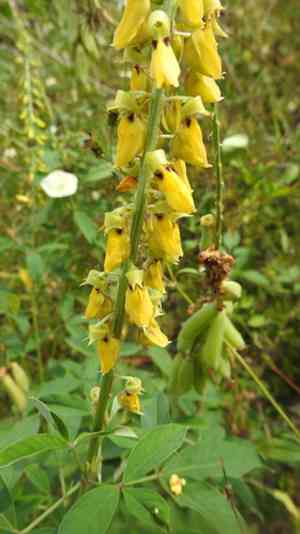
The most suitable period for relocating west indian rattlebox is at the onset of spring, as the moderate temperatures facilitate root development. Choose a bright spot with effective water drainage. Gradually introduce west indian rattlebox to external environments prior to its permanent positioning.
Essential Preparations Before Relocating West Indian Rattlebox?
When is the Optimal Period for Moving West Indian Rattlebox?
The best time for transplanting west indian rattlebox spans from the onset of early spring through the peak of late spring. This timeframe offers mild weather, ideal for west indian rattlebox to develop robust root systems. By moving west indian rattlebox during this window, the plant benefits from enhanced growth potential and an early start to the season, leading to a vigorous, thriving display. Selecting this period ensures west indian rattlebox can smoothly adjust to its new spot before summer's heat arrives.
What is the Recommended Spacing Between West Indian Rattlebox Plants?
When preparing to place west indian rattlebox in its new location, remember to provide ample room for each plant. Aim for a comfortable distance of approximately 2-3 feet (60-90 cm) between them. This allows their roots to spread and thrive without competing for nutrients and light.
What is the Ideal Soil Blend for Transplanting West Indian Rattlebox?
Before introducing west indian rattlebox to your garden, let's prepare a comfortable bed for it. Opt for well-drained soil enriched with a balanced, slow-release fertilizer. This will provide west indian rattlebox with a gentle boost of nutrients, ensuring it starts its day with a nourishing meal!
Where is the Best Location to Replant Your West Indian Rattlebox?
Sunlight is as vital to west indian rattlebox as applause is to a performer! Locate a sunny spot in your garden where the sun's rays can shine for at least 6-8 hours daily. This sunny embrace will keep your west indian rattlebox happily thriving throughout the entire season.
What Tools Are Necessary Before Transplanting West Indian Rattlebox?
Gardening Gloves
To safeguard your hands while handling soil and the plant.
Shovel or Spade
For digging and carefully lifting the plant from its original spot.
Watering Can or Hose
To hydrate the plant both before and after its relocation.
Hand Trowel
For precise adjustments to the planting hole and final placement of west indian rattlebox.
Pruning Shears
For trimming any damaged roots or foliage.
Wheelbarrow or Garden Cart
To move west indian rattlebox and soil if needed.
Measuring Tape
To ensure correct spacing between plants.
Garden Fork
To loosen the soil surrounding the plant's root area.
How to Extract West Indian Rattlebox from the Ground?
How to Extract West Indian Rattlebox from the Ground?
From Ground: First, moisten the soil around the west indian rattlebox plant. Then, dig a wide trench around the plant using a shovel or spade, being careful to keep the root ball intact. Gently work the spade beneath the root ball to lift west indian rattlebox from its initial position.From Pot: Water west indian rattlebox in its pot before beginning. Tilt the pot sideways and gently tap to loosen the soil. Hold west indian rattlebox at its base and carefully slide it out of the pot, being cautious of the roots.From Seedling Tray: Dampen the soil in the tray to facilitate removal. Use a hand trowel or similar tool to carefully lift west indian rattlebox from the tray, ensuring the root ball remains intact.
Detailed Steps for Transplanting West Indian Rattlebox
Preparation
Ensure the new site is ready for west indian rattlebox before removing it from its current location. This includes having the hole already dug and any soil amendments completed, considering the spacing needs for mature plants.
Removal
Following the correct removal procedure, carefully dig out west indian rattlebox from the ground, pot, or seedling tray. Handle the plant gently to minimize root damage.
Transport
If the new location isn't immediately adjacent, move west indian rattlebox using a wheelbarrow or garden cart to reduce the time its roots are exposed to the air.
Planting Hole
Position west indian rattlebox in the center of the pre-dug hole. Ensure the plant's base is level with the surrounding soil surface.
Positioning
Adjust west indian rattlebox to be straight and in the desired orientation. Begin refilling the hole with soil, gently firming it around the roots.
Watering
After transplanting, water west indian rattlebox thoroughly to help settle the soil and remove air pockets. This also provides essential moisture for the roots.
Support
If west indian rattlebox is tall or prone to wind damage, gently insert a stake near its base and loosely tie the plant to it for stability.
Final Check
Once planted, perform a final inspection to ensure west indian rattlebox is secure and the soil level is correct. Trim any damaged roots or leaves with pruning shears.
Post-Transplantation Care for West Indian Rattlebox
Immediate Aftercare
Provide shade for west indian rattlebox if the sun is intense on transplanting day to prevent wilting.
Regular Watering
Water west indian rattlebox consistently to maintain moist soil as it establishes. Avoid excessive watering, which can lead to root rot.
Mulching
Apply mulch around the base of west indian rattlebox to help retain soil moisture and regulate temperature.
Monitoring
Observe the health of west indian rattlebox, looking for signs of stress such as yellowing or drooping leaves.
Adjustments
If west indian rattlebox shows signs of distress, make necessary changes, such as increasing shade or modifying watering schedules.
Patience
Allow west indian rattlebox time to recover from transplant shock and begin new growth before expecting a full display of foliage and blooms.
Addressing Common Issues with West Indian Rattlebox Transplantation.
How do I determine the optimal time to transplant west indian rattlebox?
Ideally, transplant west indian rattlebox once the risk of frost has passed and the soil is workable; in temperate climates, this typically occurs from early to late spring.
What is the perfect location for successful west indian rattlebox growth?
Select a sunny spot with well-draining soil. West indian rattlebox thrives in full sun, requiring at least 6 to 8 hours of direct sunlight daily.
How much space do west indian rattlebox plants need when being transplanted?
Space plants approximately 2-3 feet (60-90 cm) apart. This provides ample room for growth and proper air circulation.
Why is my west indian rattlebox wilting after being transplanted?
Wilting can result from root disturbance or insufficient water. Ensure the soil is moist and water plants gently after transplanting.
Is it necessary to amend the soil before transplanting west indian rattlebox?
Yes, enrich the soil with compost or a balanced fertilizer to supply nutrients for west indian rattlebox and encourage healthy development.
How deep should I plant west indian rattlebox seedlings?
Transplant west indian rattlebox at the same depth it was growing in its previous container, which usually means burying the root ball just below the surface.
Should seedlings be acclimated before transplanting west indian rattlebox?
Absolutely, gradually introduce west indian rattlebox to outdoor conditions over a week to minimize shock and enhance transplant success.
Can I transplant west indian rattlebox on a hot day?
It's best to transplant during a cooler part of the day or on an overcast day to reduce stress on west indian rattlebox.
Why are my west indian rattlebox plants not standing upright after transplanting?
They may need time to adjust, or it could indicate transplant shock. Provide support if necessary and keep the soil moist.
How frequently should I water west indian rattlebox after transplanting?
Water west indian rattlebox thoroughly after transplanting and then regularly, allowing the soil to dry slightly between waterings but not to the point of wilting.



