The West indian rattlebox Plant Advantage: Maximizing Home and Office Appeal and Wellness
1
West Indian rattlebox significantly improves soil quality and fixes nitrogen.
2
The plant offers shelter and food for numerous helpful insects.
3
Its bright flowers boost your garden's visual charm.
How Does West indian rattlebox Improve Soil Quality?
Nitrogen Fixation
A key advantage of West indian rattlebox is its capacity to convert atmospheric nitrogen into a usable form within the soil, significantly boosting its fertility. Nitrogen is vital for plant development, and by capturing it from the air, this plant lessens the need for artificial fertilizers. This eco-friendly method benefits your garden and supports a healthier ecosystem.
Soil Structure Enhancement
Through its extensive root network, West indian rattlebox aids in improving soil structure. Its roots bind soil particles, reducing erosion and increasing water retention. This results in a more robust soil profile, capable of sustaining diverse plant life and retaining moisture during dry periods.
How Does West indian rattlebox Aid Local Wildlife?
Supporting Beneficial Insects
West indian rattlebox acts as a sanctuary for various helpful insects, including pollinators like bees and butterflies. These insects are essential for pollinating many food crops we depend on, making West indian rattlebox a crucial element in supporting agricultural ecosystems.
Providing Shelter
Beyond insects, West indian rattlebox offers refuge to small animals and birds. The plant's dense foliage provides a secure hiding spot, fostering biodiversity in your garden. This increase in biodiversity creates a balanced ecosystem, reducing the prevalence of pests and diseases.
What Visual Advantages Does West indian rattlebox Offer?
Vibrant Blooms
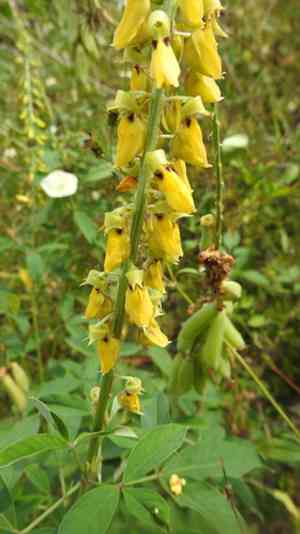
The bright yellow flowers of West indian rattlebox are not only aesthetically pleasing; they also draw in pollinators, enhancing the ecological value of your garden. These blossoms add a burst of color, transforming your garden into a picturesque scene.
Seasonal Appeal
The evolving appearance of West indian rattlebox throughout the seasons adds dynamic interest to your garden. From lush green foliage in the growing season to striking seed pods in the autumn, this plant provides year-round beauty and charm.
How Can West indian rattlebox Be Utilized in Sustainable Landscaping?
Cover Cropping
In sustainable agriculture, West indian rattlebox is frequently employed as a cover crop. Its ability to enrich soil and prevent erosion makes it an invaluable tool for farmers seeking to adopt more sustainable practices. Cover cropping with West indian rattlebox can improve soil health between main crops, boosting long-term productivity.
Erosion Control
Due to its robust root system, West indian rattlebox is effective in managing soil erosion on slopes and other vulnerable areas. By stabilizing the soil, this plant helps maintain landscape integrity and prevents the loss of valuable topsoil.
What Are the Advantages of West indian rattlebox in Pollinator Gardens?
Attracting Pollinators
Pollinator gardens flourish with the inclusion of West indian rattlebox. The plant's flowers attract a variety of pollinators, creating a bustling hub of activity that enhances pollination for all nearby plants. This improved pollination leads to better yield and health of fruits, vegetables, and flowers in your garden.
Enhanced Biodiversity
Introducing West indian rattlebox into your pollinator garden promotes biodiversity, making your garden a more sustainable and balanced environment. Greater biodiversity not only makes the garden more resilient to pests and diseases but also creates a more engaging and beautiful space.



