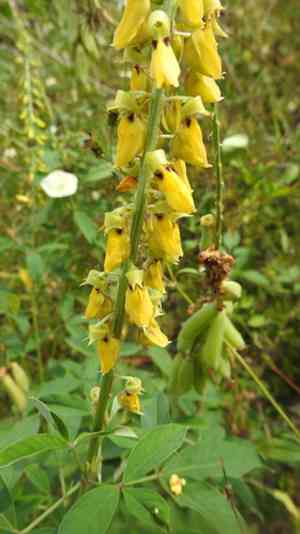
West indian rattlebox (Crotalaria trichotoma)
Also known as: Helicopter Plant, Smooth Rattlebox
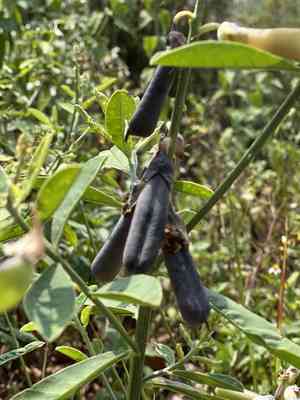
The West Indian rattlebox (Crotalaria retusa) is a resilient plant, easily identified by its single, oblong leaves and striking yellow flowers that resemble those of the pea family. This bushy herb grows up to 1 meter in height and is well-adapted to sunny, open areas. It thrives in well-drained soils, often sandy or loamy, utilizing its deep roots to endure tough conditions. The plant's seed pods are notable for their cylindrical shape and rattling sound when dry, which aids in seed dispersal and facilitates its spread in disturbed sites like roadsides and fields.
In This Article
Attributes of West indian rattlebox
Lifespan
Annual
Plant Type
Herb
Plant Height
2 m
Spread
Not typically measured as it is more of a shrubby plant
Leaf Color
Green
Flower Size
20 cm
Flower Color
Yellow
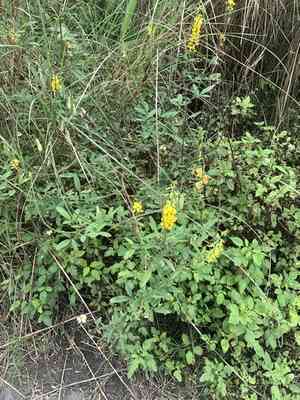
Images of West indian rattlebox
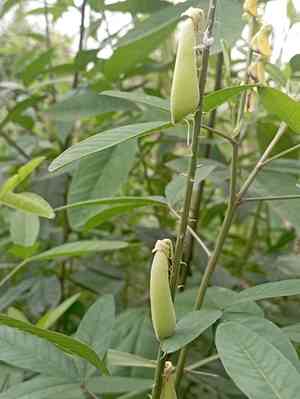
Quickly Identify West indian rattlebox
1
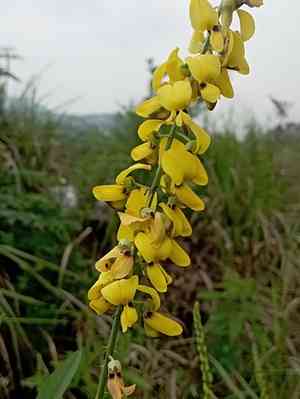
Identify Crotalaria trichotoma by its distinctive elongated clusters of bright yellow flowers and its smooth, trifoliate leaves. The plant also has seed pods that make a rattling noise when mature.
Scientific Classification of West indian rattlebox
Phylum
Vascular plants
Class
Dicotyledons
Order
Fabales
Family
Legume
Genus
longbeak rattlebox
Species
West indian rattlebox
Planting and Growing of West indian rattlebox
Care Difficulty
Easy
Watering Schedule
Every 3 days
Sunlight Requirements
Full sun
Sunshine Duration
8-12 hours
Ideal Temperature
68-77℉
Soil Type
Potting Mix, Peat Mix
Soil pH
6.5-7.5
Fertilizer Type
Balanced
Pruning Season
Spring, Summer
Pruning Area
Branches, Leaves
Pruning Frequency
2 times a year
Repotting Season
Spring
Pot Type
Plastic, Ceramic
 How to Water West indian rattlebox?
For Crotalaria trichotoma, the watering amount should be enough to soak the soil thoroughly but not excessively. Typically, 250 ml of water is appropriate, ensuring the water reaches the plant's deeper roots. This allows the plant to absorb moisture effectively without causing waterlogging.
What are the symptoms of an underwatered West indian rattlebox?
›
What should I do if my West indian rattlebox is not getting enough water?
›
What are the symptoms of an overwatered West indian rattlebox?
›
How to save an overwatered West indian rattlebox?
›
 What Are the Sunlight Requirements for West indian rattlebox?
Crotalaria trichotoma ideally requires full sun exposure. Full sun promotes vibrant flowering and robust growth, infusing the plant with the energy it needs from efficient photosynthesis processes.
How much direct sunlight does Crotalaria trichotoma need?
›
What if full sun isn't available?
›
What happens if the plant receives ideal light?
›
 What Is the Ideal Temperature Range for West indian rattlebox?
For optimal growth of Crotalaria trichotoma, it is recommended to maintain temperatures between 68°F and 77°F. These conditions resemble the plant's natural habitat and ensure healthy growth, high germination rates, and vibrant flower production. Deviation from this range may hinder its development and reduce its resilience to pests and diseases.
 What Soil is Best for West indian rattlebox?
Crotalaria trichotoma thrives best in well-drained soil to prevent root rot, ensuring vigorous growth and vibrant foliage. A soil rich in organic matter enhances this plant's robustness, supporting its growth and flowering potential while minimizing the need for fertilizers. Consistent, moderate moisture levels in the soil help Crotalaria trichotoma maintain optimal hydration, promoting healthy development without waterlogging.
 How to Fertilize West indian rattlebox?
For Crotalaria trichotoma, applying fertilizers moderately is crucial. Use a balanced liquid fertilizer with a 10-10-10 NPK ratio at a diluted strength of 1/4th the recommended dose every month. For slow-release fertilizers, a small handful of granules spread evenly around the base is sufficient, avoiding direct contact with the stem.
 How to Prune West indian rattlebox?
Start pruning Crotalaria trichotoma by identifying branches that are dead, diseased, or crossing each other. Trim these away using clean, sharp shears. Make your cuts at a 45-degree angle above a node to encourage new growth. If you're pruning to shape the plant, make strategic cuts to create a balanced appearance, maintaining its natural form while promoting air circulation through the foliage. After initial pruning, monitor the plant's response over the next few weeks. Adjust your approach as needed based on new growth patterns and the plant's overall health.
More About Pruning Techniques→
 How to Propagate West indian rattlebox plant?
1
Collect seeds from mature pods and soak them in water overnight to improve germination rates. This process helps to soften the seed coat, making it easier for the seed to sprout.
2
Choose healthy, non-flowering stems for cuttings. Cut at an angle just below a node and remove leaves from the lower third of the cutting to prevent rot when planted.
3
Place seeds or cuttings in a well-draining medium, keeping them moist but not waterlogged. Maintain a warm and humid environment to support root development and growth.
 How to Repot West indian rattlebox plant?
1
Repot Crotalaria trichotoma when you notice roots coming out of the drainage holes or when the plant's growth seems stunted. These signs indicate that the plant has outgrown its current pot and needs more space to thrive. Ideally, repotting should occur during spring or summer to ensure that the plant can benefit from the active growth season.
2
Choose a pot that is one size larger than the current one and ensures it has adequate drainage holes. A slightly larger pot allows for root expansion, promoting a healthier plant. Avoid overly large pots as they can lead to water retention and root rot. Opt for clay or terracotta pots to facilitate breathability and moisture regulation, essential for Crotalaria trichotoma.
3
Select a well-draining sandy loam soil mix, ideally mixed with perlite or coarse gravel. This mix provides good drainage while retaining necessary moisture. The airy soil structure encourages healthy root growth and prevents waterlogging, which is critical for the health of Crotalaria trichotoma.
Toxicity
Ingestion
WARNING
The judgment on toxicity and danger is for reference only. We DO NOT GUARANTEE any accuracy of such judgment. Therefore, you SHALL NOT rely on such judgment. It is IMPORTANT TO SEEK PROFESSIONAL ADVICE in advance when necessary.
Learn More About West indian rattlebox Diseases
Anthracnose
Bacterial Leaf Spot
Bacterial Wilt
Crown Gall
Cyst Nematode
Damping-off
Downy Mildew
Drought Stress
Fusarium Wilt
Gray Mold
Leaf Curl
Leaf Spot
Mosaic
Nutrient Deficiency
Nutrient Toxicity
Powdery Mildew
Root Rot
Root-knot Nematode
Rusts
Sooty Mold
Spider Mites
Temperature Stress
Thrips Damage
White Mold
Chemical Injury



