How to Prune West indian rattlebox?
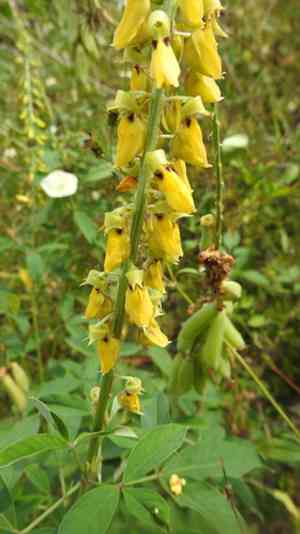
West Indian rattlebox, a shrub from the legume family, is recognized by its distinctive rattling seed capsules. To foster vigorous summer development, trim for form and vitality in the spring. In autumn, eliminate any lifeless or ailing limbs, being careful not to over-trim, as this can cause strain to the plant. Consistent trimming also enhances air movement, thereby lowering the likelihood of illness. The most effective time for this activity coincides with the plant's inherent growth pattern, following its blooming period, to guarantee strong regeneration without compromising seed yield.
What Are the Benefits of Pruning West Indian Rattlebox?
What Are the Benefits of Pruning West Indian Rattlebox?
Trimming west indian rattlebox promotes robust development and maintains its desired form. Regular cutting back helps revitalize the plant, fostering stronger stems and potentially increasing flower production, while also keeping it visually appealing and well-managed in the garden.
What Is the Best Time for Pruning West Indian Rattlebox?
What Is the Best Time for Pruning West Indian Rattlebox?
Pruning in the Spring allows west indian rattlebox to recover quickly as it enters a period of vigorous growth, ensuring the plant does not waste resources on unproductive or diseased branches. Early Summer pruning can be beneficial for shaping west indian rattlebox and encouraging a bushier growth, or to remove any growth that did not survive the winter. Late Fall pruning is ideal for west indian rattlebox after it has flowered and seeded, allowing the gardener to remove spent blooms and prepare the plant for winter, promoting robust growth the following year. Trimming during these seasons coincides with west indian rattlebox's natural growth cycle and prevents undue stress that could result from pruning during periods of dormancy or peak flowering.
What Tools Do I Need to Prune West Indian Rattlebox?
Hand Pruners
These are essential for making clean cuts on west indian rattlebox's thinner stems and branches, ideal for cutting diameters up to ¾ inches. Hand pruners provide precision, ensuring minimal damage to the plant's tissues.
Lopping Shears
West indian rattlebox could have thicker branches that necessitate more leverage, which lopping shears can provide. With longer handles, they can cut branches up to 1½ inches in diameter and reach into the plant without causing harm to the surrounding growth.
Pruning Saw
This tool is necessary if west indian rattlebox has matured and developed branches thicker than 1½ inches. A pruning saw will cleanly cut through thick wood without tearing, promoting healthy regrowth.
Gloves
Protective gloves are not a tool for cutting but are essential for the gardener's safety when pruning west indian rattlebox to prevent scratches or other injuries.
Garden Scissors
For trimming smaller, more delicate parts of west indian rattlebox, garden scissors can be used for precision work and detail pruning, ensuring a clean look without unnecessary damage.
How to Prune West Indian Rattlebox
Clean tools
Before beginning, ensure all pruning tools are clean and sharp to prevent the spread of disease and make clean cuts, which are crucial for west indian rattlebox's health.
Identify
Inspect west indian rattlebox thoroughly to locate all the withered leaves that need to be removed. These are typically yellow, brown, or look dried out.
Sanitize
Sanitize your hands and tools with alcohol or a bleach solution before and after pruning west indian rattlebox to prevent infection.
Cut
Using your tools, carefully cut the withered leaves at the base where they meet the stem or the main branch of west indian rattlebox, taking care not to damage healthy parts.
Dispose
Remove all cuttings from the base of west indian rattlebox and dispose of them properly to prevent any potential disease from spreading in the garden.
Common Pruning Mistakes with West Indian Rattlebox
Overpruning
Removing too much foliage at once can stress west indian rattlebox, leading to stunted growth or disease vulnerability.
Improper cutting technique
Incorrect cutting angles or dull tools can result in jagged cuts that harm west indian rattlebox and hinder its ability to heal.
Pruning active growth
Cutting into green, healthy stems might unnecessarily remove areas where new growth could occur.
Neglecting to sterilize tools
Using dirty pruning tools can introduce pathogens to west indian rattlebox, potentially causing disease.
Ignoring plant architecture
Failing to consider the natural shape of west indian rattlebox can result in a less aesthetically pleasing and healthy plant.
Common Pruning Tips for West Indian Rattlebox
Selective pruning
Carefully select which branches to cut, aiming to remove only damaged or diseased limbs to encourage a healthier west indian rattlebox.
Sharp clean tools
Use sharp, sterilized pruning shears for clean cuts that will heal more efficiently and reduce the risk of disease.
Angled cuts
Make angled cuts away from the bud to promote proper water runoff and prevent diseases.
Prune for airflow
Thin out crowded branches to improve air circulation, which can help prevent fungal infections in west indian rattlebox.
Maintain plant form
Always prune with the natural form of west indian rattlebox in mind, preserving its structural integrity and aesthetic appeal.



