How to Transplant Plains frostweed?
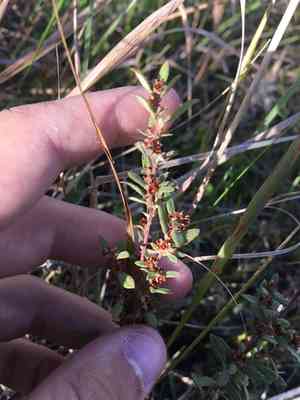
Plains frostweed flourishes when relocated during the nascent period of early to mid-spring, guaranteeing peak development. Select a bright spot with adequately draining earth for superior outcomes. Exercise caution to prevent harm to the root system.
What Preparations are Needed Before Transplanting Plains Frostweed?
What is the Ideal Time for Transplanting Plains Frostweed?
The best period for relocating plains frostweed is from early to mid-spring. This timing allows the soil to warm, creating a more favorable environment for root development. Moving plains frostweed during this season utilizes natural spring rains and mild temperatures to lessen transplant shock and encourage robust growth before the intense summer heat arrives.
How Much Space Should You Leave Between Plains Frostweed Plants?
Position plains frostweed 12-18 inches (30-45 cm) apart. This spacing provides ample room for healthy root expansion and good air circulation, which helps prevent disease.
What is the Best Soil Mix for Plains Frostweed Transplanting?
Prepare a well-draining soil blend with organic compost. Plains frostweed prefers sandy or rocky soil types. Incorporating a balanced base fertilizer, such as a 10-10-10 (N-P-K), will supply essential nutrients.
Where Should You Relocate Your Plains Frostweed?
Plains frostweed thrives in full sun, needing at least 6-8 hours of direct sunlight daily. Select a garden location that receives abundant sunlight throughout the day.
What Equipments Should You Prepare Before Transplantation Plains Frostweed?
Gardening Gloves
To safeguard your hands while handling soil and plants.
Shovel or Spade
For digging around the root ball and lifting the plant from its original spot.
Trowel
Used for more precise digging and moving smaller plants.
Watering Can or Hose with Gentle Spray Nozzle
To hydrate the plant before and after its relocation.
Wheelbarrow
For moving the plant if it needs to travel a significant distance.
Pruning Shears
To trim any damaged or overly long roots.
How Do You Remove Plains Frostweed from the Soil?
How Do You Remove Plains Frostweed from the Soil?
From Ground: First, moisten the soil around the plains frostweed plant. Then, dig a wide trench around the plant using a shovel or spade, ensuring the root ball remains intact. Carefully work the spade beneath the root ball to lift the plant from its initial position.From Pot: Water the plains frostweed plant thoroughly, then gently squeeze the container's sides to loosen the soil. Carefully invert the pot while supporting the plant with your hand. Gently slide the plant out, supporting the root ball.From Seedling Tray: Water the plains frostweed seedlings before transplanting. Use a trowel to carefully lift each seedling from the tray, taking care to support the root ball without causing damage.
Step-by-Step Guide for Transplanting Plains Frostweed
Prepare the New Site
Dig a hole in the new spot that is twice as wide and the same depth as the plains frostweed plant's root ball.
Amend the Soil
If necessary, mix some compost or organic material into the soil at the bottom of the hole to provide extra nutrients.
Place the Plant
Carefully position the plains frostweed plant into the hole, ensuring it sits at the same depth as it was in its previous location. Adjust the soil beneath the root ball if needed.
Backfill the Hole
Gradually fill the hole with soil, gently pressing down to remove air pockets and offer support to the plant.
Water Thoroughly
Once the plant is placed and the hole is filled, water the area completely to help settle the soil and establish good root contact.
Mulching
Apply a layer of mulch around the plant's base to help retain moisture and reduce competition from weeds.
How Do You Care For Plains Frostweed After Transplanting?
Watering
Keep the soil around the plains frostweed consistently moist, but not waterlogged, for the initial weeks post-transplant to aid in strong root establishment.
Monitoring
Regularly inspect the plains frostweed plant for any indications of stress or disease and address them promptly.
Weeding
Maintain the area around the plains frostweed free of weeds that could compete for water and nutrients.
Mulch Maintenance
Replenish mulch as needed to maintain a 2-3 inch layer around the base of the plains frostweed.
Pruning
Remove any damaged or dead foliage to encourage healthy growth.
Troubleshooting Common Issues with Plains Frostweed Transplantation.
When is the best time to transplant plains frostweed?
Relocate plains frostweed from early to mid-spring for optimal growth and establishment.
How much space should I leave between plains frostweed plants?
Space plains frostweed plants 12-18 inches (30-45 cm) apart to ensure proper airflow and growth.
What soil type is best for transplanting plains frostweed?
Plains frostweed thrives in well-drained, sandy or rocky soil with a neutral pH.
How do I prepare the soil before transplanting plains frostweed?
Loosen the soil to a depth of 10 inches (25 cm) and mix in compost for nutrients.
How deep should I plant plains frostweed?
Plant plains frostweed at the same depth it was growing in its original container.
How do I water plains frostweed after transplanting?
Water thoroughly after transplanting and keep the soil evenly moist, not waterlogged, for the first few weeks.
Should I fertilize plains frostweed after transplanting?
A light application of balanced fertilizer can support growth, but avoid over-fertilizing.
What's the best way to handle plains frostweed's roots during transplanting?
Gently tease out the roots if they're pot-bound, but avoid damaging them.
How do I protect plains frostweed from transplant shock?
Water well, provide shade if necessary, and ensure it's not transplanted in extreme temperatures.
When can I expect plains frostweed to establish after transplanting?
Plains frostweed typically establishes within a few weeks to a couple of months, depending on care and conditions.



