How to Propagate Plains frostweed?
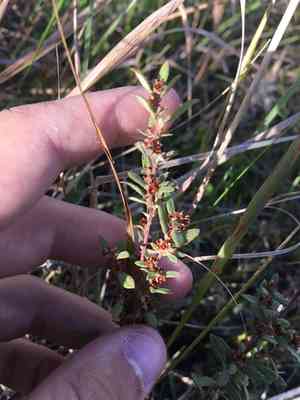
Helianthemum bicknellii, a species within the Cistaceae family, generally flourishes in porous, sandy substrates characteristic of its indigenous environments. For cultivation in gardens, harvesting semi-lignified cuttings during the period of vigorous growth produces optimal outcomes. Verify that cuttings measure approximately 4-6 inches in length and possess multiple nodes, as this aids in superior root formation. Immerse the severed tip in a rooting stimulant prior to embedding it in a blend of perlite and peat to foster root proliferation.
Optimal Period for Plains Frostweed Propagation
Propagation Method
Cutting
Propagation Season
Spring,Summer
Tools Required for Plains Frostweed Propagation
Sharp pruning shears
These are vital for making clean, precise cuts on plains frostweed. Sharp blades prevent jagged edges, reducing stress and damage to the parent plant and improving rooting success. Clean, sterilized shears also stop disease spread.
Rooting hormone
This promotes root growth in plains frostweed cuttings. Applying rooting hormone to the cutting's base significantly boosts the chances of root establishment. This is especially helpful for plains frostweed, which may root less easily without it, ensuring higher propagation success.
Sterile potting mix
A sterile potting mix offers a disease-free environment for plains frostweed cuttings to root. The mix should be light, well-draining, yet retain enough moisture for root growth without waterlogging. This aids in developing healthy roots, crucial for new plains frostweed plants.
Propagation trays
These securely hold plains frostweed cuttings and facilitate an organized propagation setup. Trays need proper drainage and ample space for the number and size of cuttings. They help manage space and resources efficiently during propagation.
Plastic covers or humidity domes
These maintain high humidity around new plains frostweed cuttings, preventing them from drying out before rooting. Humidity domes create a microclimate that supports cuttings until they are established enough for less controlled conditions.
How to Propagate Plains Frostweed
Propagation Type
Easy
Caring for Newly Propagated Plains Frostweed
Caring for Newly Propagated Plains Frostweed
Once rooted, gradually introduce plants to drier air by removing the plastic cover or dome. If necessary, repot rooted cuttings into larger containers with well-draining soil. Water regularly, but allow soil to dry between waterings to prevent root rot. Provide bright, indirect light, avoiding direct sun that can scorch leaves. Regularly check for pests and diseases, addressing issues promptly for healthy growth.
Common Errors to Avoid When Propagating Plains Frostweed
Overwatering
Excessive watering of plains frostweed can cause root rot, hindering growth and potentially killing the plant. Proper drainage and allowing soil to dry between waterings are essential.
Improper soil mix
Using a poorly draining soil mix can retain too much moisture around plains frostweed roots, leading to issues like root rot and fungal infections, similar to overwatering.
Deep planting
Planting plains frostweed too deeply can bury stems or crowns, causing decay and poor root development. This impedes the plant's establishment and growth.
Neglecting light requirements
Insufficient sunlight for plains frostweed can result in weak, leggy growth and reduced vitality, as plains frostweed typically thrives in well-lit environments.
Advice for Propagating Plains Frostweed
Use well-draining soil
Utilize a mix rich in organic matter but with excellent drainage to prevent waterlogging and encourage robust root growth in plains frostweed.
Appropriate planting depth
Ensure plains frostweed is planted at the correct depth, with the stem base just at the soil surface, to promote healthy stem and root development.
Balancing moisture
Maintain balanced soil moisture by watering thoroughly but allowing the soil to dry slightly between waterings, which is crucial for plains frostweed's health.
Providing ample light
Position plains frostweed where it receives sufficient sunlight, vital for optimal growth and development.



