How to Prune Plains frostweed?
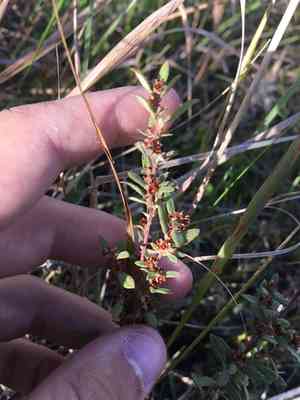
Plains frostweed, a compact, heliophilous perennial, thrives with periodic trimming. Optimal periods for pruning are late spring, summer, or early autumn following peak bloom, to stimulate robust development and flowering. Sever withered or excessively long stems to preserve its form and vitality. Trimming additionally improves air movement and diminishes the likelihood of disease, which is crucial for plains frostweed's thick foliage. Consistent cutting fosters strong, dense growth, rendering it a vital procedure for this plant's maintenance.
What Are the Benefits of Pruning Plains Frostweed?
What Are the Benefits of Pruning Plains Frostweed?
Trimming plains frostweed encourages robust development and maintains its desired form. Consistent pruning ensures the plant stays healthy and appealing, optimizing its look and vigor.
What Is the Best Time for Pruning Plains Frostweed?
What Is the Best Time for Pruning Plains Frostweed?
Trimming plains frostweed in Spring (early to mid-spring) is ideal as it readies the plant for the growing period by eliminating dead or damaged branches, stimulating new growth, and enhancing plant health. Summer trimming, immediately after blooming, aids in shaping the plant and managing its size, and also fosters the development of next season's buds. Fall trimming, though generally lighter, is advantageous for removing any parts of plains frostweed that were harmed over the summer, preparing the plant for winter by lessening the burden that could lead to disease or pest infestation during the colder, wet months. These seasonal timings align with plains frostweed's growth cycles, ensuring the plant sustains vigor and maximizes flowering potential.
What Tools Do I Need to Prune Plains Frostweed?
Bypass Pruners
Perfect for making clean, precise cuts on plains frostweed's stems, improving its health and look. Bypass pruners operate like scissors, delivering a sharp, smooth cut that prevents harm to the plant's delicate tissues.
Hand Shears
Useful for shaping and controlling the size of plains frostweed, especially during its active growth phase. Hand shears allow for quick trimming of excess growth and help maintain the plant's desired form.
Pruning Saw
Essential for removing thicker, woodier stems from mature plains frostweed plants. A pruning saw assists in making clean cuts through tougher branches that bypass pruners or hand shears cannot manage.
How to Prune Plains Frostweed
Sanitize
Before beginning the trimming process, ensure all cutting implements are cleaned and sterilized to prevent pathogen spread. Use a solution of 1 part bleach to 9 parts water to sanitize pruning shears and other tools that will contact plains frostweed.
Remove diseased parts
Carefully inspect plains frostweed for any diseased leaves and branches. Using your sanitized shears, cut off all diseased leaves and branches well back into healthy tissue to ensure all parts of the disease are completely removed. Discard these in a way that they do not contaminate healthy plants.
Trim dead material
Prune away any dead or withered leaves and branches from plains frostweed. Make your cuts at the point where the dead material meets healthy tissue to promote quick recovery. This will also enhance air circulation and light penetration within the plant.
Shaping
Shape plains frostweed by selectively pruning to encourage a balanced, natural growth form. Avoid excessive cutting back to prevent stress on the plant. Focus on maintaining a pleasing shape that allows light to reach all parts of the plant.
Clean up
After pruning, thoroughly clean the area around plains frostweed by removing all fallen debris. This helps to limit any potential sources of disease or pest infestation. Sanitize your tools again after completing the pruning to be ready for future gardening tasks.
Common Pruning Mistakes with Plains Frostweed
Over-pruning
Removing too much foliage from plains frostweed can drastically reduce its energy reserves, leading to poor growth and fewer blooms. It's crucial not to remove more than one-third of the plant in a single pruning session.
Improper technique
Cutting plains frostweed too close to the bud, or making jagged cuts, can damage the plant. It is important to make clean cuts that promote quick healing.
Neglecting tool maintenance
Using dull or dirty pruning tools can introduce diseases to plains frostweed and hinder its recovery post-pruning. Always use sharp, clean, disinfected tools for pruning.
Common Pruning Tips for Plains Frostweed
Timing of cuts
Make pruning cuts at a 45-degree angle a few millimeters above the bud to ensure proper healing and to direct new growth outward.
Removal of dead or diseased stems
Regularly removing dead or diseased material from plains frostweed helps prevent the spread of disease and encourages healthier, more vigorous growth.
Thinning for light and air circulation
Thin out the center of plains frostweed to improve light penetration and air circulation. This helps reduce the occurrence of diseases and promotes even flowering.



