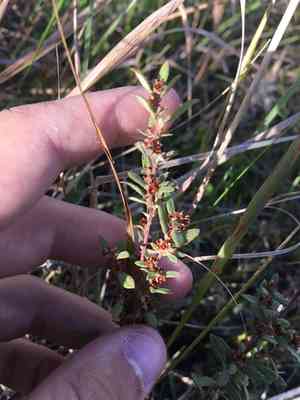
Plains frostweed (Crocanthemum bicknellii)
Also known as: Frostweed, Rockrose
Plains frostweed (Helianthemum bicknellii) is well-suited to thrive in arid environments due to several key adaptations. This perennial features deep roots that reach far into the soil, tapping into underground water reserves. It has small, linear leaves that minimize water loss by reducing exposed surface area. The plant's efficient water usage and drought-tolerant physiology allow it to endure extended dry spells by going dormant if necessary. Additionally, plains frostweed's seeds can remain dormant until rainfall occurs, ensuring regeneration when conditions improve. These traits collectively enable this hardy plant to flourish in drought-prone habitats.
In This Article
Attributes of Plains frostweed
Lifespan
Perennial
Plant Type
Herb, Shrub
Plant Height
20 cm to 61 cm
Spread
Approx. 30 cm
Leaf Color
Grayish-green
Flower Size
2-3 cm
Flower Color
Yellow
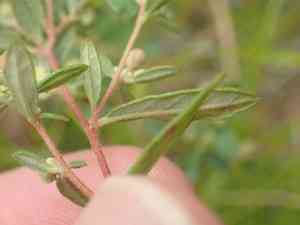
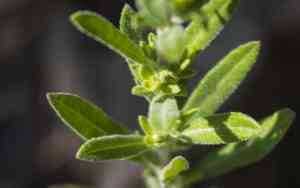
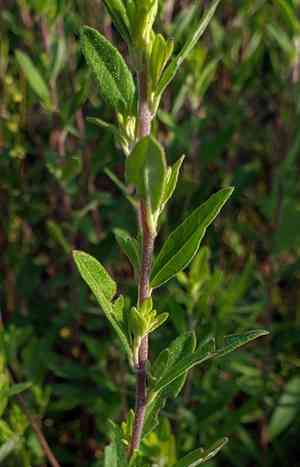
Images of Plains frostweed
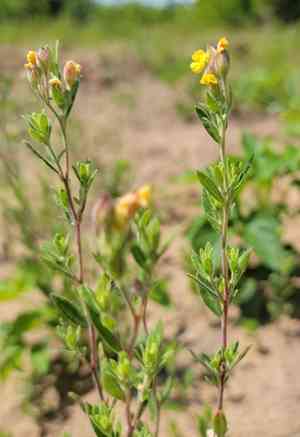
Quickly Identify Plains frostweed
1
Look for a low-growing plant with small, bright yellow flowers and elongated, lance-shaped leaves. The leaves are typically hairy and grayish-green. The plant often grows in clumps.
Scientific Classification of Plains frostweed
Phylum
Vascular plants
Class
Dicotyledons
Order
Malvales
Family
Rock roses
Genus
Frostweeds
Species
Plains frostweed
Planting and Growing of Plains frostweed
Care Difficulty
Easy
Watering Schedule
Every 2 days
Sunlight Requirements
Full sun
Sunshine Duration
4-8 hours
Ideal Temperature
60-75℉
Soil Type
Potting Mix, Peat Mix
Soil pH
6.5-7.5
Fertilizer Type
Balanced
Pruning Season
Spring, Summer
Pruning Area
Branches, Leaves
Pruning Frequency
Once a year
Repotting Season
Spring
Pot Type
Plastic, Ceramic
 How to Water Plains frostweed?
Crocanthemum bicknellii prefers a moderate watering approach where each session delivers about 250 ml of water. Ensure the soil gets evenly moist but not soggy, replicating a light spring rainfall. This allows for proper hydration without risking root rot, following a 'less is more' philosophy.
What are the symptoms of an underwatered Plains frostweed?
›
What should I do if my Plains frostweed is not getting enough water?
›
What are the symptoms of an overwatered Plains frostweed?
›
How to save an overwatered Plains frostweed?
›
 What Are the Sunlight Requirements for Plains frostweed?
Crocanthemum bicknellii prefers full sun exposure, which ensures robust growth and abundant blooms. The sunlight supports vigorous foliage and optimal photosynthesis.
What is the ideal light range for Crocanthemum bicknellii?
›
How can you ensure Crocanthemum bicknellii receives ideal lighting?
›
What benefits does Crocanthemum bicknellii experience from ideal lighting?
›
 What Is the Ideal Temperature Range for Plains frostweed?
The ideal temperature range for Crocanthemum bicknellii is between 60°F and 75°F. This range ensures optimal growth and flowering, providing the plant with conditions similar to its natural habitat. Maintaining this temperature within the recommended range helps in boosting photosynthesis and energy levels, facilitating healthy development.
 What Soil is Best for Plains frostweed?
Crocanthemum bicknellii thrives best in well-drained soil, which prevents the roots from sitting in water. This condition reduces the risk of root rot, ensuring your plant stays healthy and vibrant. This plant prefers a soil pH between 6.5 and 7.5, allowing it to access essential nutrients efficiently. This pH range is ideal for nutrient availability and uptake, leading to optimal growth and flowering. An addition of organic matter like compost or well-rotted manure is beneficial. It not only improves soil structure but also enhances microbial activity, which in turn supports plant health and growth.
 How to Fertilize Plains frostweed?
For Crocanthemum bicknellii, apply liquid fertilizer at a concentration of one-quarter strength every two weeks to ensure a steady, gentle supply of nutrients. Make sure not to overdose as this plant is sensitive to nutrient excess.
 How to Prune Plains frostweed?
Begin by identifying dead, damaged, or diseased stems. These should be pruned first, cutting back to healthy wood to encourage new growth. Crocanthemum bicknellii can benefit from shaping. Trim back any overgrown areas to maintain a compact appearance, following the natural shape of the plant. Remove any branches that cross over or shadow others. This allows sunlight to penetrate more evenly, promoting better flowering and growth.
More About Pruning Techniques→
 How to Propagate Plains frostweed plant?
1
Collect seeds in late summer when the seed heads turn brown, ensuring they are fully mature and viable for planting.
2
Fill seed trays with potting mix, ensuring that the soil is well-draining and free of large debris.
3
Scatter seeds evenly across the surface of the potting mix, gently pressing them into the soil without fully covering them.
 How to Repot Plains frostweed plant?
1
Crocanthemum bicknellii should be repotted when you notice its roots beginning to circle the perimeter of the container or escaping through the drainage holes. This usually occurs every couple of years. Additionally, if the soil is drying out faster than usual or the plant appears stunted, it may be time to provide a fresh pot and soil.
2
Select a pot that is only one or two sizes larger than the current one, as moving to an excessively large container can result in overwatering issues. A container with ample drainage holes is essential to prevent waterlogging and promote a healthy root environment. Opt for materials like terracotta, which allow for good air circulation.
3
The ideal soil for Crocanthemum bicknellii should be light and sandy, offering excellent drainage to mimic its native dry, rocky habitats. This will help in preventing root rot and allowing the roots to breathe. A mixture tailored for cacti or succulents can be ideal, providing the right balance of nutrients and drainage properties.
Learn More About Plains frostweed Diseases
Bacterial Leaf Spot
Bacterial Soft Rot
Bacterial Wilt
Chemical Injury
Damping-off
Downy Mildew
Drought Stress
Fusarium Wilt
Gray Mold
Leaf Curl
Leaf Spot
Mosaic
Nutrient Deficiency
Nutrient Toxicity
Powdery Mildew
Root Rot
Root-knot Nematode
Rusts
Sooty Mold
Spider Mites
Temperature Stress
Thrips Damage
White Mold



