How to Transplant Stinking hawksbeard?
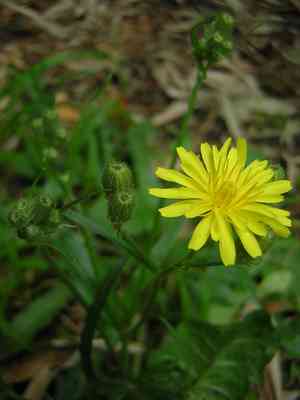
Relocate stinking hawksbeard during the revitalizing phase of early to late spring, fostering vigorous development. Choose a bright spot with soil that drains effectively. For successful integration, careful management and regular irrigation after transplantation are advantageous.
Essential Preparations Before Relocating Stinking Hawksbeard?
Optimal Period for Moving Stinking Hawksbeard?
The prime window for relocating stinking hawksbeard to its new spot extends from the refreshing start of early spring through the gentle warmth of late spring. This timing is ideal due to the milder temperatures and consistent moisture, which aid root establishment and minimize transplant stress. Moving stinking hawksbeard during this period maximizes its vitality, ensuring a strong growth season ahead, with ample time to settle before summer's heat. A friendly reminder: introduce stinking hawksbeard to your garden during this phase, and observe its flourishing growth and unique contribution to your green space.
Recommended Spacing Between Stinking Hawksbeard Plants?
When relocating your stinking hawksbeard, aim to provide each plant sufficient room to thrive. Position them approximately 6-12 inches (15-30 cm) apart. This spacing allows for ample development and ensures each stinking hawksbeard receives its share of nutrients and sunlight.
Best Soil Composition for Stinking Hawksbeard Relocation?
Prepare a welcoming environment for your stinking hawksbeard by selecting fertile, well-draining soil. Incorporate some compost or a balanced, slow-release fertilizer to nourish your plants. This step establishes a supportive base for healthy growth.
Ideal New Location for Your Stinking Hawksbeard?
Choose a sunny spot for your stinking hawksbeard where it can absorb at least 6 hours of sunlight daily. A location offering a mix of sun and partial shade is perfect, helping your stinking hawksbeard grow robust and vibrant.
Equipment Needed Before Relocating Stinking Hawksbeard?
Gardening Gloves
To safeguard your hands while handling soil and plants.
Spade or Shovel
For digging around and beneath the plant for removal, and to prepare the new planting hole.
Hand Trowel
For more precise tasks and smaller transplant specimens.
Watering Can or Hose
To hydrate the plant before extraction and after replanting.
Pruning Shears
For trimming any damaged roots or foliage.
Wheelbarrow or Garden Cart
For moving the plant and soil if necessary.
Measuring Tape
To ensure correct spacing between plants during relocation.
How to Extract Stinking Hawksbeard from the Soil?
How to Extract Stinking Hawksbeard from the Soil?
From Ground: Hydrate the stinking hawksbeard plant to moisten the soil, making it easier to manage. Use a spade or shovel to carefully dig a wide circle around the plant, taking care to avoid harming the root ball. Gently slide the tool beneath the root ball and lift the plant from the ground.From Pot: First, water the soil in the pot to facilitate removal. Then, gently tap the sides and bottom of the pot to loosen the root ball. Tilt the pot sideways and carefully ease the stinking hawksbeard out, supporting the stem's base with your hands.From Seedling Tray: Begin by watering the seedlings to soften the soil, then use a hand trowel or a specialized dibber to gently lift the stinking hawksbeard seedling, ensuring a good portion of roots remains attached.
Detailed Guide for Relocating Stinking Hawksbeard
Preparing the New Location
Confirm that the new site is prepared, ensuring all requirements for space and planting depth are met for your stinking hawksbeard.
Excavating the Hole
Dig a hole in the prepared site that is as deep and twice as wide as the root ball of the stinking hawksbeard.
Plant Extraction
Follow the appropriate removal process based on where the stinking hawksbeard is currently growing, whether it's the ground, a pot, or a seedling tray.
Root Trimming
Examine the root ball of the stinking hawksbeard and use your pruning shears to remove any dead or damaged roots.
Positioning the Plant
Carefully place the stinking hawksbeard in the center of the new hole, gently spreading out the roots. The plant should be at the same soil level as it was previously.
Backfilling
Refill the hole with soil around the stinking hawksbeard, carefully but firmly patting down the soil to ensure no air pockets remain around the roots.
Initial Watering
Thoroughly water the relocated stinking hawksbeard to settle the soil and hydrate the roots.
Staking (if needed)
If the stinking hawksbeard is tall or susceptible to wind damage, insert a stake and tie the plant to it for support.
Post-Relocation Care for Stinking Hawksbeard
Observation
Monitor the stinking hawksbeard for signs of stress, such as wilting or discoloration, and address issues promptly.
Hydration
Ensure the soil around the stinking hawksbeard remains adequately moist, especially in the weeks following relocation to aid plant establishment.
Mulching
Apply a layer of organic mulch around the base of the stinking hawksbeard to retain moisture and suppress weeds without touching the plant's stem.
Staking
Check if the stinking hawksbeard requires staking and adjust ties as the plant grows.
Resolving Common Issues with Stinking Hawksbeard Relocation.
When is the best time to move stinking hawksbeard?
Relocate stinking hawksbeard during early to late spring, assisting the plant's adjustment before summer heat.
What spacing is recommended for stinking hawksbeard seedlings?
Place stinking hawksbeard seedlings 6-12 inches (15-30 cm) apart to ensure adequate growth space.
Which soil conditions are favorable for stinking hawksbeard relocation?
Select well-draining soil rich in organic matter to support stinking hawksbeard's root development.
How deep should stinking hawksbeard seedlings be planted?
Plant stinking hawksbeard seedlings at the same depth they were previously grown to prevent root stress.
What sunlight conditions are ideal for relocated stinking hawksbeard?
Position stinking hawksbeard in a location receiving partial to full sunlight, mimicking its natural environment.
Should I water stinking hawksbeard immediately after moving it?
Yes, thoroughly water stinking hawksbeard after relocation to help roots settle and reduce transplant shock.
How can I protect stinking hawksbeard from transplant shock?
Keep the soil moist and provide shade for the initial few days to minimize transplant shock in stinking hawksbeard.
Can I use fertilizer when relocating stinking hawksbeard?
Fertilize with a balanced, slow-release formula once stinking hawksbeard has acclimated, to prevent root burn.
What signs indicate successful stinking hawksbeard relocation?
New growth and absence of wilting are positive indicators that stinking hawksbeard is thriving post-relocation.
How to manage stinking hawksbeard with long taproots during relocation?
Carefully relocate stinking hawksbeard to avoid damaging the taproots, ensuring they are straightened and not coiled in the hole.



