How to Prune Stinking hawksbeard?
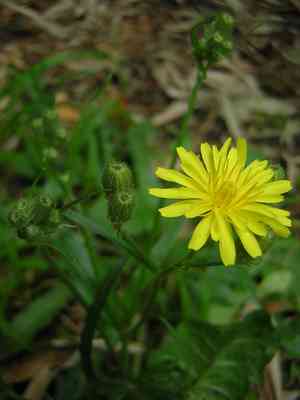
Sporting a unique yellow blossom, stinking hawksbeard thrives with the removal of spent flowers to stimulate additional blooming. Cut back withered flower stems to the plant's foundation throughout the spring and summer seasons. This fosters robust foliage and, if preferred, hinders seed production. Strategic trimming also aids in preserving the plant's dense form. No particular precautions beyond routine sanitation are required, just ensure implements are sanitized and keen to prevent the spread of pathogens.
What Are the Benefits of Pruning Stinking Hawksbeard?
What Are the Benefits of Pruning Stinking Hawksbeard?
Trimming stinking hawksbeard promotes robust development and maintains its desired form. This practice enables gardeners to manage plant size and fosters a stronger structure, enhancing overall health and visual appeal.
What Is the Best Time for Pruning Stinking Hawksbeard?
What Is the Best Time for Pruning Stinking Hawksbeard?
During Spring, stinking hawksbeard redirects energy into new growth, making it an ideal time for pruning to encourage this process and to maintain a desirable shape. Early Summer pruning allows removal of spent flowers from the first blooming, potentially promoting a second flush of blooms and preventing the plant from investing energy into seed production. Pruning in these seasons ensures that stinking hawksbeard can recover quickly and maintain vitality, avoiding the stress of late season cuts that could harm the plant's preparation for dormancy in colder months.
What Tools Do I Need to Prune Stinking Hawksbeard?
Bypass Pruners
Perfect for making clean cuts on stinking hawksbeard's stems. Bypass pruners operate like scissors, with two sharp blades passing each other to create a precise cut. This prevents crushing of the plant's tissue, encouraging healthy regrowth.
Snips
Small and precise cutting tools such as snips or micro-tip pruners are excellent for carefully deadheading stinking hawksbeard or trimming small, delicate stems. Their precise blades allow for detailed work without damaging surrounding foliage.
Gloves
While not a cutting tool, a sturdy pair of gardening gloves is essential when pruning stinking hawksbeard. They provide grip and protect hands from potential skin irritants produced by the plant.
Garden Shears
For maintaining the shape and controlling the size of stinking hawksbeard, garden shears may be employed. They are suitable for cutting back larger sections of the plant quickly and effectively.
How to Prune Stinking Hawksbeard
Disinfect tools
Before pruning stinking hawksbeard, sterilize pruning tools using a solution of one-part bleach to nine parts water to prevent the spread of diseases.
Remove diseased parts
Trim off any diseased leaves and stems from stinking hawksbeard using sharp, clean shears, cutting back to healthy tissue to prevent the spread of infection.
Eliminate dead material
Cut away all withered leaves from stinking hawksbeard to promote healthy growth and improve air circulation, which can reduce the likelihood of disease.
Clean cut
Make clean cuts at an angle to encourage proper healing and water runoff, avoiding jagged edges that can attract pests and disease.
Dispose
Dispose of all removed diseased and dead material away from stinking hawksbeard to inhibit any disease from spreading to healthy parts or other plants.
Common Pruning Mistakes with Stinking Hawksbeard
Overpruning
Removing too much foliage which can stress stinking hawksbeard and reduce its vitality.
Improper cut
Making jagged or torn cuts which can lead to disease and poor regrowth in stinking hawksbeard.
Pruning into old wood
Pruning into the old, hard wood of stinking hawksbeard which may not produce new shoots easily, affecting the plant's ability to rejuvenate.
Neglecting tools
Using dull or dirty pruning tools can harm stinking hawksbeard by creating improper cuts and introducing diseases.
Ignoring plant shape
Failing to consider the natural shape of stinking hawksbeard can result in a loss of its aesthetic form.
Common Pruning Tips for Stinking Hawksbeard
Sharp tools
Use sharp, clean pruning shears to make clean cuts on stinking hawksbeard, which helps prevent disease and encourages proper healing.
Correct angle
Cut at a 45-degree angle just above a leaf node or branching point on stinking hawksbeard to promote healthy new growth.
Thin out
Thin out crowded areas to increase air circulation and light penetration, benefiting the overall health of stinking hawksbeard.
Deadheading
Regularly remove faded or spent flowers from stinking hawksbeard to encourage further blooming and prevent self-sowing if not desired.
Conservative approach
Adopt a conservative approach, pruning no more than one-third of stinking hawksbeard's total growth to prevent shock and preserve plant health.



