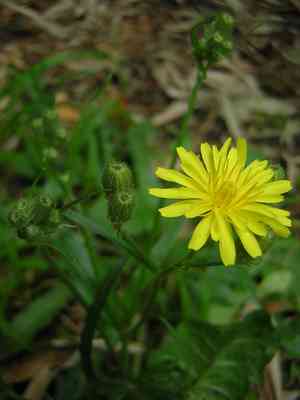
Stinking hawksbeard (Crepis foetida)
Also known as: Stinking Hawk's-beard, Stinkweed, Fetid Hawk's-beard
Stinking hawksbeard, a plant in the daisy family, is originally from Europe and has spread to parts of the United States and Australia. It became extinct in Britain but has been successfully reintroduced.
In This Article
Attributes of Stinking hawksbeard
Lifespan
Biennial, Perennial
Plant Type
Herb
Plant Height
50 cm
Spread
N/A
Leaf Color
Green
Flower Size
1 cm
Flower Color
Yellow
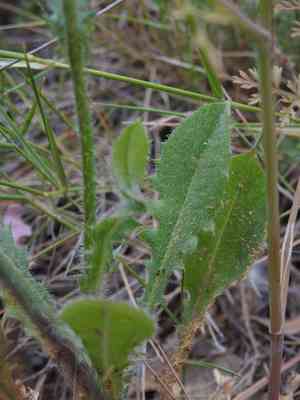
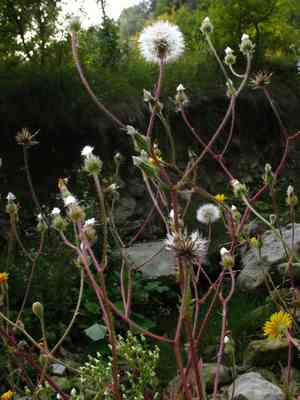
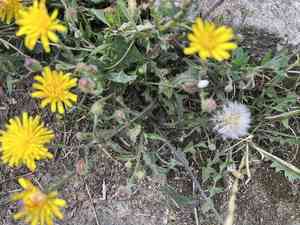
Images of Stinking hawksbeard
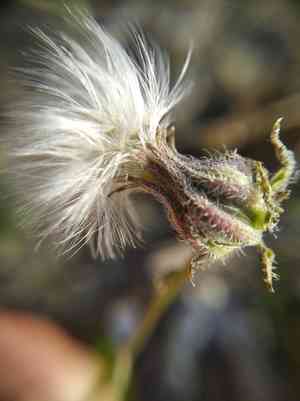
Quickly Identify Stinking hawksbeard
1
To identify Crepis foetida, look for its yellow, dandelion-like flowers and its unpleasant odor. The plant typically has lobed leaves, and its stems and leaves are often covered with a white, milky latex.
Scientific Classification of Stinking hawksbeard
Phylum
Vascular plants
Class
Dicotyledons
Order
Asterales
Family
Daisy
Genus
Hawksbeard
Species
Stinking hawksbeard
Planting and Growing of Stinking hawksbeard
Care Difficulty
Easy
Watering Schedule
Every 4 days
Sunlight Requirements
Full sun
Sunshine Duration
6-10 hours
Ideal Temperature
60-75℉
Soil Type
Potting Mix, Peat Mix
Soil pH
6.5-7.5
Fertilizer Type
Balanced
Pruning Season
Spring, Summer
Pruning Area
Branches, Leaves
Pruning Frequency
2 times a year
Repotting Season
Spring
Pot Type
Plastic, Ceramic
 How to Water Stinking hawksbeard?
Crepis foetida requires a balanced watering approach. The soil should be moist but never soggy. Ideally, you should water the plant with approximately 200 ml, ensuring the top layer of the soil dries out slightly between waterings. This mimics its natural environment and promotes healthy root growth.
What are the symptoms of an underwatered Stinking hawksbeard?
›
What should I do if my Stinking hawksbeard is not getting enough water?
›
What are the symptoms of an overwatered Stinking hawksbeard?
›
How to save an overwatered Stinking hawksbeard?
›
 What Are the Sunlight Requirements for Stinking hawksbeard?
Crepis foetida thrives in full sun to partial sun environments. The ideal lighting ensures strong, healthy growth and enhances flowering, resulting in a vibrant, resilient plant.
More About Sunlight Requirements Techniques→
What is the optimal lighting environment for Crepis foetida?
›
How to adjust light levels for this plant?
›
Benefits of providing ideal lighting conditions
›
 What Is the Ideal Temperature Range for Stinking hawksbeard?
The ideal temperature for growing Crepis foetida lies between 60°F and 75°F. This range helps maintain healthy photosynthesis and growth processes. Temperatures within this range support optimal metabolic activity, encouraging robust foliage and minimizing the stress levels on the plant.
 What Soil is Best for Stinking hawksbeard?
Crepis foetida thrives best in well-drained soils which prevent waterlogging. Good drainage ensures the roots receive sufficient oxygen, promoting healthier and sturdier plant growth. This plant is adapted to nutrient-lean conditions. Excessive nutrients can lead to lanky growth, so soils that do not retain too many nutrients are ideal, ensuring compact and robust plant structure. While tolerant to drought, moderate moisture levels in the soil support optimal growth. It ensures the plant does not suffer from water stress, maintaining its vigor and defeating potential wilting.
 How to Fertilize Stinking hawksbeard?
When fertilizing Crepis foetida, use a balanced fertilizer at half the recommended strength. This amount ensures the plant receives adequate nutrients without risking root burn or excessive growth. For example, mix 5 ml of liquid fertilizer in 2 liters of water and use it for a full-pot soak. Solid fertilizers can be applied by sprinkling 10 grams around the base of the plant and lightly raking it into the soil.
 How to Prune Stinking hawksbeard?
Begin by identifying any dead, brown, or damaged stems and leaves. Remove these with a clean snip near the base to prevent disease and improve the plant's overall health and appearance. To keep Crepis foetida compact, trim back any leggy or overly long stems. Cut just above a leaf node, encouraging the plant to branch out and become bushier. After removing unnecessary growth, shape the plant to maintain its natural form. This might include evenly reducing the plant's height or width, creating a balanced and attractive appearance.
More About Pruning Techniques→
 How to Propagate Stinking hawksbeard plant?
1
Fill the seed tray with a high-quality potting mix, ensuring even distribution and avoiding air pockets. Gently firm the soil down to create a level surface for sowing the seeds. Make sure the soil is slightly moist but not waterlogged before sowing.
2
Evenly distribute Crepis foetida seeds on the surface of the prepared seed tray. Cover the seeds with a thin layer of potting mix, as they need light for germination. Mist the surface with water to keep it moist but ensure it remains illuminated.
3
Place the seed tray in a location where it receives adequate, indirect sunlight. Keep the soil consistently moist by watering gently. Do not let the soil dry out completely, as it can affect seed germination. Maintain a temperature of around 18-22°C (64-72°F).
 How to Repot Stinking hawksbeard plant?
1
Repot Crepis foetida when you notice signs such as roots circling the pot interior, yellowing leaves, or inhibited growth. These signs suggest the plant is outgrowing its current container and needs more space for healthy development.
2
Select a pot that is one size larger than the existing one with drainage holes at the bottom. This ensures ample space for root expansion and prevents waterlogging, promoting robust growth and mitigating root rot risks.
3
Choose well-draining sandy loam soil that allows for air circulation around the roots. This soil type aids in preventing root rot and provides the necessary nutrients, facilitating vigorous growth and optimal health.
Learn More About Stinking hawksbeard Diseases
Anthracnose
Bacterial Leaf Spot
Bacterial Soft Rot
Bacterial Wilt
Chemical Injury
Crown Gall
Cyst Nematode
Damping-off
Downy Mildew
Drought Stress
Fusarium Wilt
Gray Mold
Leaf Spot
Mosaic
Nutrient Deficiency
Nutrient Toxicity
Powdery Mildew
Root Rot
Root-knot Nematode
Rusts
Sooty Mold
Spider Mites
Temperature Stress
Thrips Damage
White Mold



