How Much Sunlight Do Stinking hawksbeard Need?
1
Stinking hawksbeard flourishes in bright, direct sunlight, needing more than six hours of sun each day.
2
Stinking hawksbeard can endure some shade, yet it achieves optimal growth with abundant light.
3
The light requirements for Stinking hawksbeard vary with the seasons, necessitating periodic modifications.
Optimal Light Conditions for Stinking hawksbeard
Full Sun Requirement
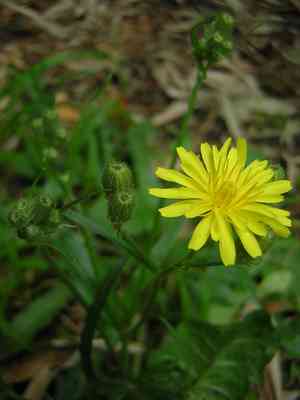
For robust and vibrant Stinking hawksbeard, ensure it gets ample direct sunlight. This means over six hours of direct sun daily, which is vital for strong growth and its signature yellow blooms. Placing it in an open area with this light level will yield the best growth and flowering.
Partial Shade Tolerance
While full sun is preferred, Stinking hawksbeard can endure partial shade. If it thrives with 3-6 hours of sunlight, it shows reasonable tolerance. Growth may be less vigorous than in full sun, but it will still survive and potentially flower.
Seasonal Light Changes
Sunlight exposure for Stinking hawksbeard varies annually. Summer offers abundant daylight. However, winter's reduced light might require relocating the plant to a brighter spot or ensuring sufficient illumination. Seasonal adjustments are crucial for maintaining plant health.
Optimizing Stinking hawksbeard Placement for Sunlight
Selecting the Right Spot
To ensure your Stinking hawksbeard receives adequate sunlight, begin by choosing an appropriate location. Ideally, select a garden area that gets full sun for most of the day. Open fields or south-facing gardens are excellent choices due to their high sun exposure.
Utilizing Sunlight Measurement Tools
To precisely gauge the sunlight your Stinking hawksbeard receives, consider using devices like a sunlight meter or a smartphone app for tracking sun exposure. These tools help determine optimal plant placement. By monitoring light levels, you can make informed decisions about repositioning plants for maximum exposure.
Daily Plant Position Adjustments
In certain situations, especially if your garden has uneven light distribution from trees or structures, moving the plant throughout the day can ensure sufficient light. This may involve shifting potted plants to sunnier spots as the sun moves. Consistent daily sunlight promotes healthy development.
Indicators of Insufficient Sunlight for Stinking hawksbeard
Symptoms of Low Light
When Stinking hawksbeard lacks adequate sunlight, it displays specific signs. The plant might become leggy, with stretched stems reaching for light. Leaves may yellow, and flowering could be diminished or absent. If these symptoms appear, re-evaluate the plant's location.
Effects of Excessive Light
Conversely, too much sunlight, particularly in very hot climates, can harm Stinking hawksbeard. Signs include leaf scorch, where leaves turn brown or crisp, and wilting despite regular watering. Using shade cloth or moving the plant to a less exposed area during peak sun can prevent these issues.
Resolving Sunlight Problems
To fix sunlight-related issues, closely observe your Stinking hawksbeard. Move it to a spot with ideal light levels based on the symptoms. For too little sun, find a brighter location. For too much sun, provide shade during the day's hottest hours. Adjusting watering may also help alleviate stress from improper light.
Common Misconceptions About Stinking hawksbeard and Sunlight
Myth: Only Thrives in Full Sun
A frequent misunderstanding is that Stinking hawksbeard requires constant full sun to flourish. While full sun is best, the plant can also grow in partial shade. The key is ensuring it gets some direct sunlight daily. This myth often deters gardeners from planting in slightly shaded areas where it could still do well.
Myth: All Sunlight is Good
Not all sunlight is equally beneficial. For example, midday sun can be too intense, especially in hot regions, causing heat damage. Balancing the amount and intensity of sunlight is vital. Providing morning light and some afternoon shade can create an ideal environment for Stinking hawksbeard.
Clarifying Misconceptions
Dispelling these myths involves a deeper understanding of the plant's needs. Recognize that while Stinking hawksbeard prefers full sun, partial shade is viable, and not all hours of sunlight offer equal benefits. This knowledge aids in better planting decisions and resolving growth issues stemming from incorrect sunlight.
Expert Advice for Optimal Stinking hawksbeard Sunlight
Daily Sunlight Monitoring
Regularly check the amount of sunlight your Stinking hawksbeard receives. If potted, move it as needed. For fixed plants, seasonal monitoring ensures sufficient light year-round. Consistency is crucial for promoting healthy growth and blooming.
Seasonal Adjustments
Light conditions change with the seasons. In winter, position the plant for maximum sunlight to offset shorter days. In summer, provide afternoon shade to prevent overheating and scorching. These seasonal adjustments help maintain a balance conducive to the plant's health.
Sunlight and Watering Balance
Balancing sunlight and watering is essential for Stinking hawksbeard. More sunlight typically means the plant needs more water to stay hydrated and cool. Ensure your watering schedule matches the light exposure. Too little water in full sun can stress the plant, while overwatering in shade can lead to root rot.



