How to Transplant Dotted hawthorn?
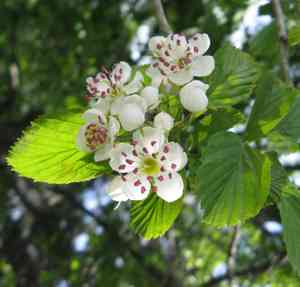
The most favorable period for relocating dotted hawthorn is as spring commences, specifically during its initial to middle stages, which guarantees vigorous development. Select a location receiving partial sunlight with soil that drains effectively to suit dotted hawthorn's requirements, and gently manage the roots to encourage successful integration.
What Preparations are Necessary Before Relocating Dotted Hawthorn?
What is the Optimal Period for Relocating Dotted Hawthorn?
The beginning of spring's revival, typically early to mid-spring, is ideal for moving dotted hawthorn. As the ground thaws, these plants benefit from the cooler, damp soil, facilitating their adjustment. Shifting dotted hawthorn during this timeframe promotes vigorous root development before the summer heat, establishing a strong base for the growing season. A friendly reminder: this timing not only maximizes survival but also allows dotted hawthorn to thrive, enhancing your garden with both resilience and beauty.
How Much Space Should You Provide Between Dotted Hawthorn Plants?
When relocating dotted hawthorn, ensure each planting site is at least 2-3 feet (60-90 cm) apart from the next. This provides ample room for each plant to grow and flourish! Remember, giving them space is vital for their well-being!
What is the Best Soil Mixture for Dotted Hawthorn Relocation?
For dotted hawthorn, well-draining soil is perfect. Consider using a blend of loamy and sandy soil. Before planting, incorporate an all-purpose granular fertilizer into the base of each hole. This will supply the initial nutrients they require to jumpstart their growth. It's like packing a meal for their first day!
Where Should You Replant Your Dotted Hawthorn?
Sunlight is essential for the development of dotted hawthorn. Select a location in your garden that receives full to partial sun daily. An area with 6-8 hours of sunlight should be perfect. It's like picking a sunny spot for a day at the beach!
What Equipment Should You Prepare Before Moving Dotted Hawthorn?
Gardening Gloves
To safeguard your hands from the soil and potential thorns on dotted hawthorn plants.
Shovel or Spade
Crucial for excavating the dotted hawthorn from its original spot and preparing the new planting area.
Gardening Fork
Helps to loosen the soil prior to transplanting, improving root penetration once the dotted hawthorn is in its new location.
Hose or Watering Can
Required for hydrating the dotted hawthorn before and after relocation.
Wheelbarrow or Tray
To transport the dotted hawthorn from its initial position to the new site while keeping the root ball intact.
Mulch or Compost
Needed for supplying nutrients to the dotted hawthorn after relocation, supporting robust growth.
How Do You Extract Dotted Hawthorn from the Soil?
How Do You Extract Dotted Hawthorn from the Soil?
From Ground: First, thoroughly water the dotted hawthorn plant to moisten the soil. Then, use a shovel or spade to dig a wide circle around the plant, being careful not to harm the plant's root ball. Once the circle is complete, work the spade beneath the root ball to lift the plant. Ensure you retain as much soil around the roots as possible while moving the plant to its new location.From Pot: Begin by watering the dotted hawthorn to dampen the soil, making it easier to remove the plant. Then, gently tilt the pot sideways and tap it to loosen the soil and root ball. You can then carefully slide the plant out, ensuring the root ball remains intact. If it's stuck, do not pull the plant. Instead, use a knife to cut along the inside edge of the pot to loosen the soil.From Seedling Tray: Water the tray thoroughly before you start. Gently separate the dotted hawthorn seedling from its neighbors, taking care not to damage its root system. Lift the seedling by its leaves, not by the stem, placing the seedling and its root ball on a tray for transport.
Step-by-Step Guide for Relocating Dotted Hawthorn
Site Preparation
Prepare the new site by digging a hole twice the size of the dotted hawthorn's root ball. This ensures ample space for root expansion.
Prepare the Plant
Water the dotted hawthorn thoroughly in its original spot before removal to keep the roots hydrated during relocation.
Position the Plant
Place the dotted hawthorn in the center of the hole. Ensure the plant is at the same depth as it was in its original location to prevent stem rot.
Backfill the Hole
Gently backfill the hole with a mixture of original soil and compost. Ensure firm contact between the soil and the roots. level as it was in the original location to avoid stem rot.
WATER
Water the dotted hawthorn immediately after planting, ensuring the soil is well moistened to aid in the establishment of new roots.
How Do You Care For Dotted Hawthorn After Relocation?
Watering
Consistently keep the soil around the dotted hawthorn moist, but not waterlogged, for the initial weeks after relocation. This promotes the development of strong roots.
Pruning
Lightly prune the dotted hawthorn after planting to reduce stress on its root system. You can remove dead or damaged branches, but avoid extensive pruning in the first season.
Mulching
Apply a layer of organic mulch around the root zone of the dotted hawthorn. This helps to retain moisture, suppress weeds, and regulate soil temperature.
Troubleshooting Common Issues with Dotted Hawthorn Relocation.
When is the optimal time to relocate dotted hawthorn?
Relocating dotted hawthorn yields the best results between season one and season two. The plant thrives in moderate climates.
How much spacing is required for relocating dotted hawthorn?
Ensure you space dotted hawthorn at intervals of approximately 2-3 feet (60-90 cm). This provides them with sufficient room to grow.
What are the soil requirements for relocating dotted hawthorn?
Dotted hawthorn prefers well-drained, fertile soil. Additionally, you must ensure the soil's pH level is maintained at moderately acidic to mildly alkaline.
Are there any specific instructions regarding water needs for dotted hawthorn relocation?
Water the dotted hawthorn thoroughly after relocating and maintain consistent moisture, but avoid overwatering as this can lead to root rot.
How deep should I dig to plant my dotted hawthorn during relocation?
Create a hole that is twice as wide and the same depth as the root ball of your dotted hawthorn. This ensures roots are adequately covered.
What should I do to prepare the relocation hole for dotted hawthorn?
Fortify the bottom and sides of the hole with organic compost; this will enrich the soil and provide the dotted hawthorn with essential nutrients.
Should I prune dotted hawthorn after relocating?
Perform moderate pruning after relocation to eliminate damaged or diseased branches, but avoid heavy pruning as this stresses the plant.
Do I need to stake dotted hawthorn after relocating?
Staking isn't always necessary. However, for tall dotted hawthorn or those in windy areas, a stake will provide stability and prevent uprooting.
Should I fertilize dotted hawthorn immediately after relocating?
Wait for a few weeks before applying balanced slow-release granular fertilizer to avoid burning the delicate root system of your newly relocated dotted hawthorn.
What steps should I follow if the dotted hawthorn shows signs of relocation shock?
If the dotted hawthorn exhibits signs of relocation shock such as wilting or yellowing, reduce sun exposure, maintain moderate watering, and avoid fertilization until recovery.



