How to Prune Dotted hawthorn?
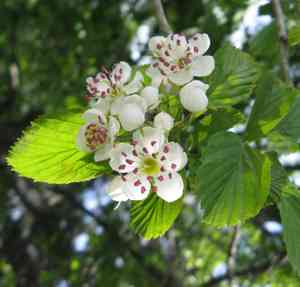
Originating from North America, Crataegus punctata is a thorny, deciduous tree recognized by its reddish-brown branches and grouped white blossoms. Trimming should encourage a robust structure, eliminate deceased wood, and reduce crowded sections of the canopy. The best time for pruning is in late winter or early spring when the tree is inactive. For Crataegus punctata, pruning preserves vitality, encourages development, and boosts its aesthetic value. Exercise care due to its thorns and prune to uphold its inherent form, avoiding extensive removal to lessen strain.
What Are the Benefits of Pruning Dotted Hawthorn?
What Are the Benefits of Pruning Dotted Hawthorn?
Trimming dotted hawthorn promotes more robust growth by redirecting energy to healthy limbs, improving its overall form and ensuring a balanced structure, which is vital for both appearance and plant vitality.
What Is the Best Time for Pruning Dotted Hawthorn?
What Is the Best Time for Pruning Dotted Hawthorn?
Pruning dotted hawthorn in late winter and early spring offers several advantages. First, the plant is dormant, minimizing stress and the risk of disease entering through cuts. Second, pruning before spring growth allows for quick healing and energy investment into new growth, leading to a more vigorous and productive dotted hawthorn. Lastly, removing dead or diseased wood is easier without leaves, providing better visibility. For dotted hawthorn, which flowers and fruits, late winter or early spring pruning ensures flowering and fruiting potential is not significantly affected, as it's done before bud break.
What Tools Do I Need to Prune Dotted Hawthorn?
Hand pruners
Perfect for cutting small branches up to 3/4 inch in diameter, hand pruners enable gardeners to precisely shape dotted hawthorn and make clean cuts that encourage rapid healing.
Lopping shears
Featuring longer handles and increased leverage, lopping shears are suitable for branches 1.5 to 2 inches thick. Dotted hawthorn may have such branches too thick for hand pruners.
Pruning saw
For mature dotted hawthorn with branches exceeding 2 inches in diameter, a pruning saw can efficiently handle thicker growth, ensuring clean cuts without harming the plant.
Pole pruner
As dotted hawthorn can grow quite tall, a pole pruner is essential for safely trimming higher branches without needing a ladder.
Hedge shears
If shaping hedges or aiming for a formal look, hedge shears can be used for trimming the smaller, more superficial branches of dotted hawthorn, making it easier to maintain a specific shape.
How to Prune Dotted Hawthorn
Disinfect Tools
Before trimming dotted hawthorn, clean and sanitize pruning tools to prevent disease spread. Use a solution of one part bleach to nine parts water, or a commercial disinfectant, and rinse tools after use.
Remove Dead Branches
Identify and eliminate dead branches from dotted hawthorn. These branches are typically dry, brittle, and lack green foliage. Make cuts at a 45-degree angle just above a healthy bud or branch junction, using sharp, clean pruning shears or a saw for thicker branches.
Eliminate Diseased Branches
Carefully cut away branches showing signs of illness, such as unusual color, growths, or decay. Remove these branches well below the affected area to ensure all diseased tissue is gone. Bag and dispose of diseased material properly; do not compost.
Cleanup
After pruning dotted hawthorn, clear away all trimmed material from the plant's base to reduce the likelihood of disease and pests. This also helps maintain a tidy appearance and prevents the growth of unwanted fungi or bacteria.
Inspect Pruning Cuts
Examine the pruning cuts on dotted hawthorn for smoothness and proper angle to encourage water runoff and healing. If necessary, re-cut any jagged edges or incorrect angles to optimize the plant's recovery and future growth.
Common Pruning Mistakes with Dotted Hawthorn
Over-Pruning
Removing too much foliage can stress dotted hawthorn, reducing its vigor and resilience. As a general rule, do not remove more than one-third of the living tissue at a time.
Flush Cutting
Making flush cuts against the trunk or main branches can create large wounds on dotted hawthorn, making the plant vulnerable to diseases and pests. Always cut just outside the branch collar to promote proper healing.
Neglecting Tools
Using dull or dirty pruning tools can cause unnecessary injury to dotted hawthorn through ragged cuts that are more prone to infection. Clean, sharp tools are essential for smooth cuts.
Improper Cut Angle
Cuts that are not angled downwards could trap water, potentially leading to rot or disease in dotted hawthorn. Ensure that cuts are angled so water drains off the cut surface.
Random Cutting
Randomly cutting branches without understanding the plant's growth pattern can lead to a disfigured shape and poor fruit production in dotted hawthorn. Pruning should be strategic and purposeful.
Common Pruning Tips for Dotted Hawthorn
Understand The Structure
Familiarize yourself with dotted hawthorn's branch structure for targeted pruning, focusing on removing dead or diseased wood, opening up the canopy for better air circulation, and maintaining a natural shape.
Selective Thinning
Thin out dotted hawthorn by removing specific branches to improve light penetration and air flow within the canopy, which can help enhance flowering and reduce disease pressure.
Rejuvenation Pruning
Dotted hawthorn can benefit from rejuvenation pruning if it has become overgrown or unproductive. Gradually remove old branches over a few seasons to promote new, vigorous growth without overstressing the plant.
Timing Of Cuts
Consider the plantâs growth and flowering cycle from previous seasons to understand the impact of removing certain branches. Cutting back immediately after blooming allows dotted hawthorn to set buds for the next season.
Judicious Heading Back
Prune branches of dotted hawthorn back to a lateral bud or branch to encourage bushier growth and more flowers. However, do so sparingly to maintain a natural form and avoid excessive sprouting.



