Enhancing Your Garden Design with the Dotted hawthorn Plant: A Landscaping Guide
1
The Dotted hawthorn can greatly improve your garden's look with its distinct characteristics.
2
Proper placement of Dotted hawthorn is crucial for its best development and visual appeal.
3
Dotted hawthorn benefits local fauna and contributes positively to the environment.
Introducing Dotted Hawthorn in Landscape Design
Overview of Dotted hawthorn's inherent beauty and unique features
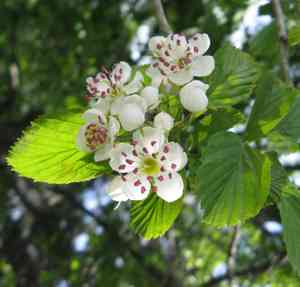
When selecting plants for your outdoor space, Dotted hawthorn certainly merits a top position. This species showcases distinct attributes that can introduce an unparalleled touch of natural elegance compared to many other garden flora. With its characteristic speckled appearance, Dotted hawthorn stands out, offering visual appeal across all seasons. Its lovely blossoms, vibrant fruits, and overall form contribute a charming element to any setting. This plant offers more than just aesthetics; it imparts a feeling of calm and natural grace.
Advantages of Incorporating Dotted hawthorn into Your Garden Plan
Integrating Dotted hawthorn into your landscape scheme provides numerous advantages. Beyond its visual charm, it also offers practical benefits. Having Dotted hawthorn in your garden can serve as a natural barrier against soil degradation due to its robust root system. Furthermore, it delivers seasonal interest with its blooms and berries, keeping your garden lively and dynamic throughout the year. It also functions as a focal point or a backdrop, fitting seamlessly into diverse garden aesthetics, from rustic to contemporary.
Optimal Planting Locations for Dotted hawthorn in Your Garden
Evaluating Prime Spots for Visual Impact
Selecting the appropriate location to plant Dotted hawthorn is vital for maximizing its beauty and utility. Assess your garden's layout and consider areas where Dotted hawthorn can shine as a central element. It can be effectively utilized in border arrangements, as a centerpiece in a mixed bed, or even as a solitary specimen. Pay attention to sightlines from key vantage points â patios, windows, and walkways â to ensure the plant is prominently displayed.
Understanding Light and Soil Requirements
Meeting Dotted hawthorn's specific needs regarding light and soil is crucial for its vitality and development. Typically, Dotted hawthorn flourishes in full sun but can endure partial shade. Ensuring the plant receives at least six hours of daily sunlight can encourage vigorous growth and more abundant flowering. Regarding soil, Dotted hawthorn prefers well-draining soil but can adapt to various soil types. Consider enriching your soil with organic matter to improve fertility and drainage if necessary.
Designing with Dotted hawthorn: Aesthetic Pairings and Concepts
Innovative Ways to Combine Dotted hawthorn with Other Plants
Creative design can accentuate Dotted hawthorn's beauty and make your garden visually captivating. Pair Dotted hawthorn with a variety of other plants to create depth and texture. For instance, combining it with ornamental grasses can highlight its delicate flowers and berries, forming a striking contrast. Alternatively, using Dotted hawthorn to border garden paths or as a backdrop for perennial flower beds can add structure and visual interest.
Selecting Companion Plants That Complement Dotted hawthorn
Choosing suitable companion plants can further enhance the visual appeal of Dotted hawthorn in your garden. Seek out plants that possess complementary colors, textures, and growth habits. For example, perennials like lavender, with their purple blooms, can create a lovely contrast against the white or pink flowers of Dotted hawthorn. Similarly, low-growing ground covers can emphasize Dotted hawthorn's form without competing for space or light.
Seasonal Maintenance Tips for Dotted hawthorn in Landscapes
Spring and Summer Maintenance
To ensure Dotted hawthorn thrives during spring and summer, consistent watering and fertilization are important. Throughout the active growth period, ensure the soil remains moist but not waterlogged. A balanced fertilizer applied in early spring can stimulate healthy development and flowering. Additionally, monitor for pests and diseases, addressing any issues promptly to prevent their spread.
Autumn and Winter Strategies
As the seasons shift, so do the care requirements for Dotted hawthorn. In autumn, it's essential to prepare the plant for colder temperatures. Applying mulch around the base can help insulate the roots and retain moisture. Pruning should be conducted after leaf drop, removing any dead or damaged branches. During winter, Dotted hawthorn generally requires minimal attention but check periodically to ensure it remains healthy and free from stress.
How Dotted hawthorn Contributes to the Local Ecosystem
Supporting Native Wildlife with Dotted hawthorn
Dotted hawthorn plays a vital role in sustaining local wildlife. Its blossoms attract various pollinators, such as bees and butterflies, which are crucial for maintaining biodiversity. The berries provide an essential food source for birds and small mammals, particularly during autumn and winter when resources are scarce. By planting Dotted hawthorn in your garden, you establish a small yet significant habitat that fosters ecological balance.
Environmental Advantages of Adding Dotted hawthorn to Your Garden
Incorporating Dotted hawthorn into your garden also offers several environmental benefits. It contributes to improved air quality by absorbing pollutants and releasing oxygen. Its robust root system helps prevent soil erosion, preserving soil health and structure. Furthermore, Dotted hawthorn can assist in managing water runoff, reducing flood risk and promoting groundwater replenishment. These advantages make Dotted hawthorn a valuable addition to any environmentally conscious garden.



