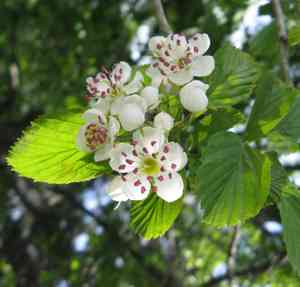
Dotted hawthorn (Crataegus punctata)
Also known as: White haw
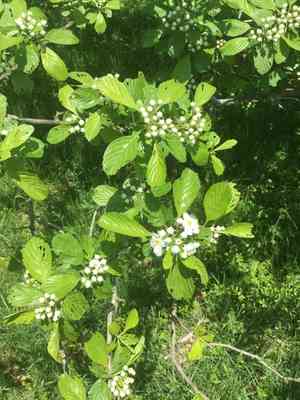
The plant typically grows as a shrub or small tree, reaching up to 7 meters in height. It is notably thorny, especially on the trunk. The flowers feature three to five styles and around 20 stamens, with anthers that can range in color from deep purple to white, including shades of red and pink. The fruit contains three to five nutlets and its mature color can be deep burgundy, scarlet, yellow, or yellow with a red blush.
In This Article
Attributes of Dotted hawthorn
Lifespan
Perennial
Plant Type
Tree, Shrub
Plant Height
11 m to 22 m
Spread
15-25 feet (4.5-7.5 meters)
Leaf Color
Green
Flower Size
1 inch (2.5 cm)
Flower Color
White Pink
Images of Dotted hawthorn
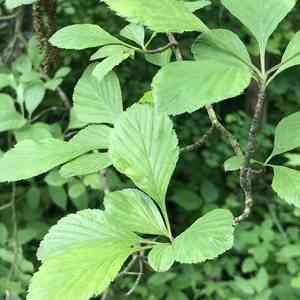
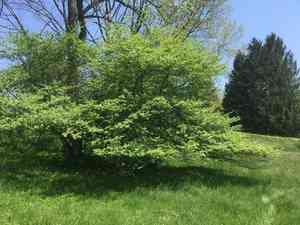
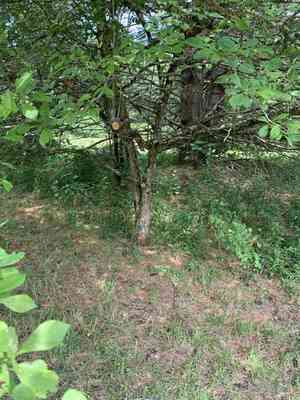
Quickly Identify Dotted hawthorn
1
To identify Crataegus punctata, look for a small tree or shrub that grows about 15–30 feet tall. The leaves are alternately arranged, simple, and serrated. The flowers are white, about 1 inch in diameter, and form clusters. The fruit is red or orange and dotted, resembling small apples.
Scientific Classification of Dotted hawthorn
Phylum
Vascular plants
Class
Dicotyledons
Order
Rosales
Family
Rose
Genus
Hawthorns
Species
Dotted hawthorn
Planting and Growing of Dotted hawthorn
Care Difficulty
Easy
Watering Schedule
Every 2 days
Sunlight Requirements
Full sun
Sunshine Duration
4-10 hours
Ideal Temperature
59-77℉
Soil Type
Potting Mix, Peat Mix
Soil pH
6.5-7.5
Fertilizer Type
Balanced
Pruning Season
Spring, Summer
Pruning Area
Branches, Leaves
Pruning Frequency
2 times a year
Repotting Season
Spring
Pot Type
Plastic, Ceramic
 How to Water Dotted hawthorn?
For Crataegus punctata, it is vital to water deeply enough to allow moisture to reach the roots without leaving the soil waterlogged. Typically, providing approximately 500ml per watering session is ideal, ensuring the water penetrates at least 6 inches below the soil surface but allowing the topsoil to dry out between sessions.
What are the symptoms of an underwatered Dotted hawthorn?
›
What should I do if my Dotted hawthorn is not getting enough water?
›
What are the symptoms of an overwatered Dotted hawthorn?
›
How to save an overwatered Dotted hawthorn?
›
 What Are the Sunlight Requirements for Dotted hawthorn?
Crataegus punctata ideally grows under full sun, with an occasional respite in partial shade. This range ensures robust growth and flowering, supporting both vegetative and reproductive phases effectively.
More About Sunlight Requirements Techniques→
What is the best lighting for Crataegus punctata?
›
How can you achieve ideal lighting conditions for Crataegus punctata?
›
What are the benefits of providing ideal light to Crataegus punctata?
›
 What Is the Ideal Temperature Range for Dotted hawthorn?
The ideal temperature range for Crataegus punctata is between 59°F to 77°F. This range supports optimal growth and development, allowing the plant to photosynthesize efficiently and thrive. Maintaining temperatures in this range helps in achieving the best overall health and yield.
 What Soil is Best for Dotted hawthorn?
Crataegus punctata thrives in well-draining soil, as it prevents waterlogged conditions that could lead to root rot, promoting healthier root systems and overall plant vigor. The plant benefits from soil rich in organic matter, which enhances nutrient availability, encourages beneficial microbial activity, and improves moisture retention. While not demanding extremely fertile conditions, moderate fertility ensures Crataegus punctata has access to essential nutrients, supporting robust growth and vibrant foliage.
 How to Fertilize Dotted hawthorn?
For Crataegus punctata, apply a balanced fertilizer at a rate of 1 pound per 100 square feet. Too much fertilizer may lead to excessive growth at the expense of flower and fruit production. Always follow the manufacturer's instructions for the correct dosage.
 How to Prune Dotted hawthorn?
Before beginning the pruning process, take time to understand the plant’s natural form and structure. Aim to maintain the tree's natural shape while removing unwanted growth. This process involves identifying branches to remove to improve airflow and light penetration. Remove all dead, damaged, or diseased branches. Make cuts just above the branch collar (the swelling where the branch joins the trunk). This will help the tree heal effectively and prevent the introduction of diseases. Thin out dense areas of the tree to improve airflow and reduce pest problems. Ensure that the branches left can get enough sunlight exposure. When shaping the hawthorn, focus on maintaining a balanced open structure.
More About Pruning Techniques→
 How to Propagate Dotted hawthorn plant?
1
Begin by collecting ripe seeds in autumn. Clean and dry them before cold stratification, simulating winter conditions, by placing them in a moist medium in a refrigerator for 2-3 months to break dormancy.
2
In late spring, select healthy stems and cut segments 4-6 inches long. Remove the leaves from the lower half, and dip the cut end into rooting hormone to encourage root development.
3
For grafting, choose a strong rootstock in early spring. Make a clean incision and join a scion from a desired variety. Secure tightly with grafting tape to ensure proper cambium contact and heal.
 How to Repot Dotted hawthorn plant?
1
Crataegus punctata should be repotted when you notice roots protruding from drainage holes or if the growth seems stunted. The ideal time is during spring or autumn, as the plant will handle the transition best when it is not in an active growth phase.
2
Select a pot that is 2-3 inches larger in diameter than the current one. It should have adequate drainage holes to prevent water stagnation, which could lead to root rot. A slightly larger pot allows for growth while ensuring the plant won't be waterlogged.
3
Opt for a loamy, well-draining soil mix. Ensure it has a good blend of organic material to retain some moisture but drains well to prevent root rot. This type of soil structure will support healthy root growth while avoiding waterlogging.



