How to Transplant Pigmyweed?
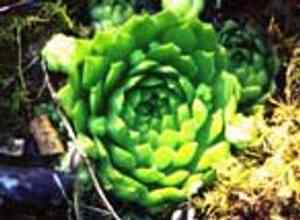
The optimal period for transplanting pigmyweed spans from late spring to early autumn, as environmental factors are perfect for root development. Select a location offering sufficient humidity and dappled light, guaranteeing a smooth transition to their new environment.
Essential Preparations Before Relocating Pigmyweed?
When is the Ideal Period for Moving Pigmyweed?
The prime window for relocating pigmyweed spans from the warmth of late spring to the abundance of late summer. During this flourishing season, transplanting pigmyweed aligns with its natural growth rhythm, allowing roots to establish while temperatures remain moderately warm. This timing provides the best combination of sunlight and mild weather, promoting vigorous development before autumn's chill. A transplant within this optimal period enhances pigmyweed's resilience, setting it up for success.
What is the Recommended Spacing Between Pigmyweed Plants?
When preparing a new home for pigmyweed, position them approximately 2-4 inches (5-10 cm) apart. This spacing allows them ample room to thrive without competing for nutrients or sunlight – essentially providing each plant its own personal space to flourish!
What is the Optimal Soil Blend for Pigmyweed Transplantation?
For pigmyweed, a loamy soil mixture enriched with organic matter provides an ideal growing medium. Before planting, incorporate a slow-release fertilizer to give them a strong start. This acts as a nutrient-rich boost to encourage robust growth.
Where is the Best Location to Replant Your Pigmyweed?
Select a sunny location that receives full to partial daylight for pigmyweed. Aim for a spot that enjoys at least 4-6 hours of direct sunlight daily. This well-lit environment will help your pigmyweed flourish with vitality and health!
What Tools Should You Prepare Before Transplanting Pigmyweed?
Gardening Gloves
To safeguard your hands while handling soil and plants.
Hand Trowel
For excavating and transferring the pigmyweed to its new site.
Watering Can or Hose
To hydrate the pigmyweed both prior to and following the transplanting process.
Measuring Tape
To assist in maintaining appropriate spacing between transplants based on their growth requirements.
Garden Fork
Useful if you need to loosen the soil around the plant's original position for easier extraction.
Pruning Shears
To trim any damaged roots or foliage before relocation.
How Do You Extract Pigmyweed from the Ground?
How Do You Extract Pigmyweed from the Ground?
From Pot or Seedling Tray: Gently grasp the base of the pigmyweed, tilt the container sideways, and carefully slide the plant out. If roots are circling the pot, gently untangle them to encourage outward growth.From Ground: First, thoroughly water the pigmyweed. Use a garden fork to loosen the soil surrounding the plant, then use a trowel to dig around and beneath the plant, taking care to preserve as much of the root system as possible. Carefully lift the pigmyweed from the soil.
Step-by-Step Guide for Relocating Pigmyweed
Digging The Hole
The excavation should be twice as wide and as deep as the pigmyweed's root ball. This allows the roots to expand and access more nutrients.
Preparing The Plant
Examine the pigmyweed before planting. Trim any damaged roots or leaves with pruning shears and ensure the plant is adequately hydrated.
Placing The Plant
Carefully position the pigmyweed into the hole, ensuring it sits at the same depth as it was previously growing. This minimizes stress for the plant during transition.
Filling The Hole
Backfill the hole with the excavated soil, gently firming around the base to remove air pockets. Water thoroughly after planting to settle the soil.
How Do You Care For Pigmyweed After Relocation?
Monitoring
Inspect the pigmyweed daily for the initial couple of weeks, looking for signs of stress, such as wilting or yellowing leaves. Adjust care as needed.
Watering
Maintain consistent moisture in the soil around the pigmyweed, avoiding waterlogging, to aid root recovery and growth in its new environment.
Support
If the pigmyweed is tall or top-heavy, use a stake or other support to prevent it from leaning or being damaged by strong winds.
Troubleshooting Common Issues with Pigmyweed Transplantation.
What's the best time to transplant pigmyweed?
Relocate pigmyweed during the pleasant period of late spring through late summer for optimal outcomes.
How far apart should I space pigmyweed when transplanting?
Aim for a comfortable spacing of 2-4 inches (5-10 cm) to allow each pigmyweed ample room to thrive.
My pigmyweed wilted after transplanting, what should I do?
Ensure it's not waterlogged and the soil drains well. Provide a small amount of water and some partial shade for recovery.
Can I transplant pigmyweed in full sun?
Absolutely, pigmyweed thrives in sunny conditions, just ensure its soil remains consistently moist post-transplant.
What soil mix is best for transplanting pigmyweed?
A well-draining potting mix with some organic matter will make pigmyweed quite content.
Should I fertilize pigmyweed after transplanting?
Wait a while, let it acclimate for a few weeks, then you can offer a light, balanced feed.
How deep should the hole be for transplanting pigmyweed?
Dig a suitable space for each pigmyweed about as deep as its root ball and twice as wide.
How do I water pigmyweed after transplanting?
Be generous yet gentle—water thoroughly after transplanting and keep the soil moist, not saturated.
What if pigmyweed looks dry and brittle post-transplant?
Check moisture levels; pigmyweed might require a bit more water. Remember, consistent moisture is crucial for recovery.
Why are the leaves of my pigmyweed turning yellow after transplant?
Yellowing could indicate stress. Keep its soil moist without overdoing it and shield pigmyweed from harsh environmental factors.



