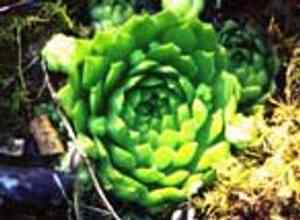
Pigmyweed (Crassula aquatica)
Also known as: Water pigmyweed, Northern water-stonecrop
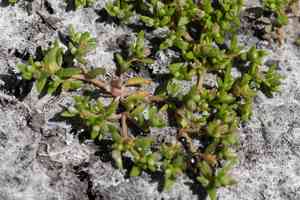
Crassula aquatica, also known as water pygmyweed, is a diminutive succulent that often forms thin mats or sparse patches on sandy or muddy substrates. When exposed to the air for extended periods, it tends to grow more upright. The foliage can range in color from greenish-yellow to vivid red or purplish hues. Its small, fleshy leaves are pointed and measure only a few millimeters in length. Each pair of oppositely-arranged leaves features a flower on a short stalk emerging from their junction.
In This Article
Attributes of Pigmyweed
Lifespan
Annual
Plant Type
Herb
Plant Height
0.5 to 5 cm
Spread
N/A
Leaf Color
Greenish to reddish
Flower Size
1 to 2 mm
Flower Color
White to pinkish
Images of Pigmyweed
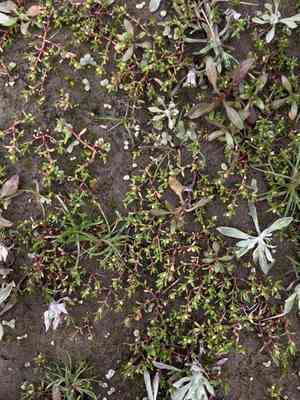
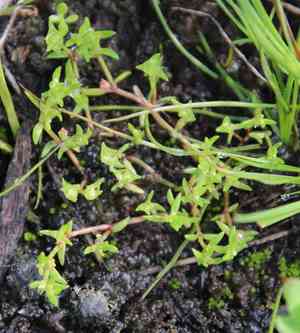
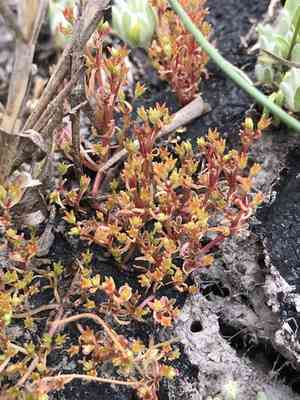
Quickly Identify Pigmyweed
1
Crassula aquatica can be identified by its small, fleshy leaves which are usually reddish-green. The leaves are typically linear to ovate in shape. It’s often found growing low to the ground or submerged in shallow water.
Scientific Classification of Pigmyweed
Phylum
Vascular plants
Class
Dicotyledons
Order
Saxifragales
Family
Stonecrop
Genus
Crassula
Species
Pigmyweed
Planting and Growing of Pigmyweed
Care Difficulty
Easy
Watering Schedule
Every 3 days
Sunlight Requirements
Partial sun
Sunshine Duration
4-8 hours
Ideal Temperature
60-75℉
Soil Type
Potting Mix, Peat Mix
Soil pH
6-7.5
Fertilizer Type
Balanced
Pruning Season
Spring, Summer
Pruning Area
Branches, Leaves
Pruning Frequency
2 times a year
Repotting Season
Spring
Pot Type
Terracotta, Plastic
 How to Water Pigmyweed?
For Crassula aquatica, water in moderation, ensuring the soil is moist but not saturated. Aim for about 150ml of water per session, distributed evenly across the pot. It's essential to let the soil dry out slightly between waterings to avoid root rot.
What are the symptoms of an underwatered Pigmyweed?
›
What should I do if my Pigmyweed is not getting enough water?
›
What are the symptoms of an overwatered Pigmyweed?
›
How to save an overwatered Pigmyweed?
›
 What Are the Sunlight Requirements for Pigmyweed?
Crassula aquatica prefers partial sun, which provides a delicate balance between light and shade. Ideal lighting prevents stress, encourages vibrant leaf pigmentation, and supports healthy growth patterns.
Question 1: How much sunlight does Crassula aquatica need?
›
Question 2: What solutions can achieve ideal lighting for Crassula aquatica?
›
Question 3: What are the benefits of ideal lighting for Crassula aquatica?
›
 What Is the Ideal Temperature Range for Pigmyweed?
The ideal temperature range for Crassula aquatica varies from 60°F to 75°F. This range ensures optimal growth conditions, allowing the plant to photosynthesize efficiently and maintain overall health.
 What Soil is Best for Pigmyweed?
Crassula aquatica thrives in well-draining soil that prevents root rot by allowing excess water to escape efficiently. This is crucial for promoting healthy root systems. A nutrient-rich substrate supports robust growth and vibrant foliage, ensuring the plant receives ample minerals and elements necessary for development. The soil should possess moderate aeration to ensure roots receive sufficient oxygen, preventing suffocation and supporting healthy respiration processes.
 How to Fertilize Pigmyweed?
When fertilizing Crassula aquatica, it's essential to be moderate. Use a balanced liquid fertilizer diluted to half strength, typically around 10-10-10 or 20-20-20 NPK ratio, ensuring not to overwhelm the plant.
 How to Prune Pigmyweed?
Start by identifying the stems that need trimming. Use a pair of clean, sharp scissors to snip off any leggy or unsightly growth. Aim to cut just above a leaf node to promote new branching. If the plant has any flower stalks from previous blooms, remove these as well to redirect energy to foliage growth. Always check that your cuts are neat to avoid any plant stress. Use pruning to shape Crassula aquatica to your desired form. If the plant is too bushy or unbalanced, gently trim the overgrown parts. Consider the natural habit of the plant and try not to be too aggressive, as this can weaken it. Shaping helps in maintaining a compact appearance and encourages even growth.
More About Pruning Techniques→
 How to Propagate Pigmyweed plant?
1
Fill the seed tray with fine seed compost, ensuring it's leveled and lightly firmed. Water it gently to make the soil moist but not waterlogged.
2
Scatter Crassula aquatica seeds thinly on the surface of the compost. Avoid covering them with additional soil as they need light to germinate.
3
Place the seed tray in a bright location with a temperature around 20°C (68°F). Ensure that the compost remains consistently moist by misting it when needed.
 How to Repot Pigmyweed plant?
1
To determine the right time to repot Crassula aquatica, observe if the plant has become root-bound or if it's not thriving as it used to. If you notice roots growing out of the pot's drainage holes, it's a strong signal that repotting is required. Spring and summer are the best seasons to repot, as the plant is in its most active growing phase, ensuring a smoother transition.
2
Selecting the right pot for Crassula aquatica is crucial. It should be slightly larger than the current one, with excellent drainage to prevent waterlogging, which can lead to root rot. Opt for materials like terracotta that can help with moisture regulation. A correctly-sized pot promotes optimal growth and reduces the risk of overwatering.
3
For Crassula aquatica, a well-draining sandy soil mix is essential. The soil should mimic the plant's natural habitat, ensuring sufficient aeration and preventing excessive moisture retention. This type of soil minimizes the risk of root diseases, enabling efficient nutrient uptake and healthy growth.



