How to Prune Pigmyweed?
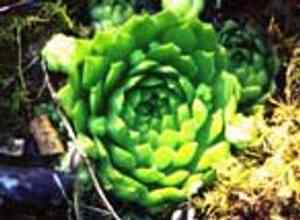
A succulent flourishing in watery habitats, pigmyweed is suited for both moist and arid circumstances. Essential trimming should entail eliminating deceased or yellowed foliage to preserve visual attractiveness and foster robust development. Pruning is ideally performed in Spring, Summer, or Autumn to coincide with periods of vigorous growth. Particular points to consider involve employing sanitized implements to avert the spread of pathogens. The advantages of trimming encompass stimulating a more compact growth pattern and averting decay in areas of thick leaves.
What Are the Benefits of Pruning Pigmyweed?
What Are the Benefits of Pruning Pigmyweed?
Trimming pigmyweed promotes robust development and maintains its form. Precise cuts enhance light exposure and air circulation, fostering a strong structure and preventing excessive growth that could impair its appearance and vigor.
What Is the Best Time for Pruning Pigmyweed?
What Is the Best Time for Pruning Pigmyweed?
Trimming pigmyweed in Spring is optimal as it marks the start of its active growth phase, allowing the plant to recover and grow more vigorously post-trimming. Summer pruning aligns with ongoing active growth, supporting better shape and healthier foliage development. Autumn pruning is beneficial for pigmyweed to prepare for dormancy, removing any dead or decaying parts that could harbor pests or diseases during colder months. These seasons are chosen to avoid pruning in Winter when pigmyweed is less active and wound healing may be slower, increasing the risk of stress or damage to the plant.
What Tools Do I Need to Prune Pigmyweed?
Micro-Tip Pruning Snips
Given the small and delicate nature of pigmyweed, micro-tip pruning snips are perfect. They enable precise removal of dead or unwanted foliage without harming surrounding plant parts.
Small Pruning Scissors
Small pruning scissors are suitable for pigmyweed because their size and control facilitate navigating tight spaces between its succulent leaves without causing damage to the plant.
Fine-pointed Tweezers
Fine-pointed tweezers can be utilized to carefully remove dead leaves or debris from pigmyweed, especially in areas too small for even micro-tip snips to access without causing harm.
Soft Brush
A soft brush can gently clear any cuttings or residue from the pruning process off pigmyweed, helping to prevent rot or disease from settling on the wet wounds.
Sterilizing Agent
A sterilizing agent (such as rubbing alcohol) for cleaning tools before and after pruning pigmyweed is crucial to prevent disease transmission.
How to Prune Pigmyweed
Disinfect Tools
Before beginning, ensure all pruning tools are disinfected to prevent the spread of disease to pigmyweed.
Identify Withered
Locate withered or dead leaves on pigmyweed by their discolored, dry, and brittle appearance.
Trim Withered
Using sharp scissors or pruning shears, carefully cut off the withered leaves at their base without harming the healthy parts of the plant.
Collect Debris
After pruning, gather all removed material from around pigmyweed to maintain cleanliness and prevent any potential for disease or pest infestation.
Water Management
Adjust water management for pigmyweed if excessive withered leaves were removed, as this could indicate either over or under-watering issues.
Common Pruning Mistakes with Pigmyweed
Over Pruning
Removing too much growth at once can stress pigmyweed and reduce its ability to photosynthesize effectively, potentially leading to weaker growth and diminished health.
Inadequate Tools
Using dull or dirty pruning tools can cause unnecessary damage and create jagged cuts that are more vulnerable to diseases and pests.
Pruning Active Growth
Trimming pigmyweed during periods of active growth can disrupt its natural growth patterns and delay flowering if not done correctly. Focus on minimal and strategic cuts.
Ignoring Plant Structure
Failing to consider the natural shape and growth habit of pigmyweed can lead to unbalanced pruning that may harm the plant's aesthetic and structural integrity.
Disease Spread
Neglecting to sanitize pruning tools between cuts, especially when moving from an infected plant to a healthy one, can spread disease among pigmyweed and other plants.
Common Pruning Tips for Pigmyweed
Sanitization
Always sanitize your pruning tools before and after use to prevent the spread of diseases to pigmyweed.
Sharp Tools
Use sharp pruning shears to ensure clean cuts that heal quickly, minimizing stress to pigmyweed.
Selective Pruning
Prune selectively, targeting dead, damaged, or overgrown parts of pigmyweed to promote better airflow and light penetration, which are crucial for healthy growth.
Shape Maintenance
Aim to maintain the natural shape of pigmyweed when pruning, which not only enhances the plant's beauty but also supports its overall health.
Post-Prune Care
After pruning, ensure pigmyweed receives adequate water and nutrients to recover from the stress of pruning and support new growth.



