How to Propagate Pigmyweed?
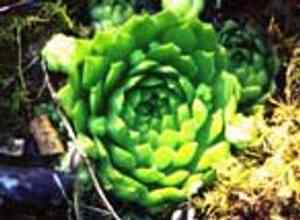
Pigmyweed flourishes when reproduced by seeding, an effective and appropriate technique for this succulent. To achieve the best outcomes, the procedure ought to commence with a growing medium that drains efficiently, thereby averting surplus dampness, which frequently causes root decay in this particular plant. It is crucial to scatter the seeds uniformly and supply them with steady, moderate illumination and warmth to aid sprouting. After they have taken root, the nascent plants necessitate gentle management to guarantee successful relocation without harming their fragile root systems.
When Is the Best Time to Propagate Pigmyweed?
Propagation Method
Seeding
Propagation Period
Spring
What Tools Are Used in Pigmyweed Propagation?
Seed trays
Seed trays are vital for planting the tiny seeds of pigmyweed. They enable controlled environmental conditions, ensuring seeds have sufficient room for development without competition, which is essential for the small and delicate seeds of pigmyweed.
Fine-grit vermiculite
Fine-grit vermiculite is suggested as a soil amendment. Its fine texture and moisture retention capabilities create an ideal substrate for the germination of pigmyweed's small seeds, offering a stable and aerated environment that aids root growth and lessens the chance of fungal diseases.
Misting bottle
A misting bottle is utilized to gently water the seeds without disturbing them. This tool is important for maintaining the necessary moisture levels around the seeds of pigmyweed, which is crucial for their germination and early growth stages without causing soil erosion or seed displacement.
Heating mat
A heating mat assists in maintaining a consistent soil temperature, which is crucial for the germination of pigmyweed. It ensures that the soil temperature remains optimal for germination, especially during cooler months or in colder climates, thereby improving growth rates and germination success.
Tweezers
Tweezers are a specialized tool useful for handling the minute seeds of pigmyweed during planting. This tool prevents damage and allows precise placement in the soil, which is critical for ensuring proper seed depth and spacing.
How to Propagate Pigmyweed?
Propagation Difficulty
Simple
How to Care for Your Newly Propagated Pigmyweed?
How to Care for Your Newly Propagated Pigmyweed?
After germination, continue to provide pigmyweed with bright, indirect light and minimal water, allowing the soil to slightly dry between waterings. Once established, transplant seedlings to individual containers or a semi-aquatic environment suitable for pigmyweed. Regularly monitor for any signs of pests or disease and treat promptly to maintain healthy growth. Fertilize lightly during the growing season.
Common Mistakes to Avoid When Propagating Pigmyweed
Overwatering
Excessive watering can lead to root rot and fungal infections, as pigmyweed thrives in moist but well-drained conditions. Too much water removes oxygen from the soil, impairing root function and plant health.
Using dense soil
Dense or heavy soils do not provide the drainage pigmyweed requires. This can cause waterlogging and hinder root development, making it difficult for pigmyweed to establish and grow healthily.
Incorrect cutting size
Taking overly long or short cuttings can affect the rooting efficiency of pigmyweed. Too short may not have enough nodes to initiate roots, while too long can lead to excessive moisture loss and reduced survival rate.
Tips For Propagating Pigmyweed
Use sandy soil mix
A sandy or gritty soil mix enhances drainage and aeration, providing the optimal soil environment for pigmyweed's roots to develop without the risk of waterlogging.
Maintain high humidity
Enclosing the propagating material in a plastic bag or using a humidity dome can help maintain high humidity levels, which are crucial for encouraging root growth in pigmyweed cuttings.
Choose healthy parent plants
Propagating from healthy, vigorous parent plants ensures that the cuttings have the best genetic potential and health to develop into robust new plants.



