How to Transplant Large-leaf cotoneaster?
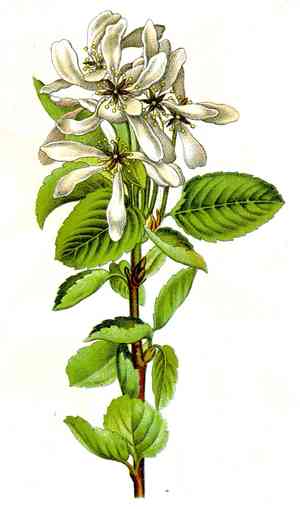
For the vigorous large-leaf cotoneaster, the period from mid to late spring, when its growth capacity is at its highest, presents the perfect opportunity for relocation. Select a location that receives full sun to partial shade and features soil that drains effectively, ensuring a seamless move and successful rooting.
What Preparations are Necessary Before Relocating Large-leaf Cotoneaster?
When is the Optimal Time for Moving Large-leaf Cotoneaster?
The best period for relocating large-leaf cotoneaster falls in mid-spring. As the ground warms and new growth appears, your large-leaf cotoneaster are ready to flourish after being moved, benefiting from the season's mild temperatures and consistent moisture to develop strong root systems. This timely action leads to abundant summer growth, ensuring a healthy, vibrant large-leaf cotoneaster.
What is the Recommended Spacing Between Large-leaf Cotoneaster Plants?
For large-leaf cotoneaster, ensure each plant is positioned approximately 4-5 feet (1.2-1.5 meters) apart. This spacing promotes healthy development and ample room for their expansion. It's an excellent method to allow your plants to thrive without competing for sunlight and nutrients!
What is the Ideal Soil Blend for Large-leaf Cotoneaster Relocation?
Large-leaf cotoneaster thrives in soil that drains well. Before planting, enrich the soil with a foundational fertilizer rich in organic matter. Composted animal waste or a slow-release granular feed would be effective. Remember, fertile soil ensures your plants grow robust and lively!
Where is the Best Place to Replant Your Large-leaf Cotoneaster?
When choosing a site for large-leaf cotoneaster, select an area that receives full to partial sunlight. While it can endure some shade, bright light enhances the beauty of its large leaves. Keep in mind, sunny spots encourage vigorous growth and plentiful blooms!
What Equipment Should You Prepare Before Relocating Large-leaf Cotoneaster?
Shovel or Garden Spade
These implements will be crucial for excavating the large-leaf cotoneaster from its current spot, and then preparing the new planting site.
Gardening Gloves
To safeguard your hands from dirt, stones, and roots when handling the plant and digging.
Wheelbarrow or Plant Trolley
If the large-leaf cotoneaster plant is substantial, you'll need something to transport it in when moving it from one place to another.
Pruning Shears
To trim back some branches to compensate for root loss.
Watering Can or Hose
Essential for hydrating the plant before and after the relocation.
Mulch
To spread around the base of your plant after it's been placed in its new location, helping to maintain soil moisture.
How Do You Extract Large-leaf Cotoneaster from the Soil?
How Do You Extract Large-leaf Cotoneaster from the Soil?
From Ground: Begin by thoroughly watering the large-leaf cotoneaster a day prior to your planned relocation. This will make the plant and surrounding soil easier to manage. On the day of transplantation, carefully dig a circular trench around the plant with your shovel or garden spade, being careful not to harm the root system. The trench should be wide and deep enough to encompass most of the roots. Gently lift the large-leaf cotoneaster from the soil, ensuring the root ball remains as intact as possible.From Pot: Start by placing your hand on the soil surface with the large-leaf cotoneaster stem between your fingers. Invert the pot, give it a gentle tap to loosen the root ball, and pull the pot away. If the plant is stuck, avoid yanking it out; instead, try running a blade around the inside of the pot to free it.From Seedling Tray: Water the tray thoroughly beforehand, then carefully separate the large-leaf cotoneaster seedling from its adjacent seedlings. Gently remove the seedling while preserving as many roots as possible.
Step-by-Step Guide for Relocating Large-leaf Cotoneaster
Excavating the Hole
Dig a hole in the ground deep and wide enough to comfortably accommodate the large-leaf cotoneaster's root ball. The hole should be roughly twice the width of the root ball, and just as deep as the root ball is tall.
Preparing the Plant
If the large-leaf cotoneaster plant is large, trim back some of its branches to balance the root loss. Do this carefully, and avoid excessive trimming.
Planting
Place the plant into the hole, ensuring it sits at the same level it was in its original spot. Backfill the hole with soil, gently firming it around the root ball.
Watering
Water the large-leaf cotoneaster thoroughly immediately after relocating, ensuring the soil is completely moistened.
Mulching
Apply a layer of mulch around the base of the plant, but be sure not to pile it against the stem. This helps retain soil moisture and mitigate temperature fluctuations.
How Do You Care For Large-leaf Cotoneaster After Relocation?
Observation
Closely monitor the large-leaf cotoneaster during the initial weeks post-relocation. Pay particular attention to any changes in leaf color or unexpected wilting, as these could signal transplant shock.
Watering
The large-leaf cotoneaster will require consistent watering as it establishes in its new location. Keep the soil uniformly moist, but avoid overwatering or allowing the plant to sit in water.
Pruning
Refrain from any significant pruning during the first year following relocation to allow the large-leaf cotoneaster to recover. Minor trimming is acceptable as needed.
Fertilizing
Wait at least one to two months before the initial post-relocation fertilization. When you do begin, apply a slow-release fertilizer at the recommended dosage.
Addressing Common Issues with Large-leaf Cotoneaster Relocation.
When is the optimal time to move my large-leaf cotoneaster plant?
The ideal period to relocate your large-leaf cotoneaster is typically between late spring and early summer (S2-S3).
How much space should I allow for my relocated large-leaf cotoneaster?
For the large-leaf cotoneaster to flourish, remember to leave approximately 4-5 feet (1.2-1.5 meters) between each plant.
What should I do if my relocated large-leaf cotoneaster doesn't show new growth?
Don't worry! Sometimes large-leaf cotoneaster can take a while to adapt to its new environment. Patiently maintain regular watering and care.
Why is my large-leaf cotoneaster wilting after relocation?
Wilting might be due to transplant shock. Ensure the large-leaf cotoneaster is adequately watered but not waterlogged. Mulching can also help retain moisture.
How should I prepare the soil before relocating large-leaf cotoneaster?
Prepare a nutrient-rich, well-drained soil bed. If the soil is heavy clay or sandy, amend it with organic material.
How deep should I plant large-leaf cotoneaster when relocating?
Plant it at the same depth it was in its original container. Planting too deep or shallow can hinder the plant's growth.
What precautions should I take when uprooting large-leaf cotoneaster for relocation?
Dig broadly around the root ball to prevent root damage. Keep the extracted root ball moist until the plant is replanted.
What can I do if my relocated large-leaf cotoneaster has yellow leaves?
Yellowing leaves may indicate overwatering or a lack of nutrients. Ensure proper watering and try to supplement with appropriate plant food.
Should I prune my large-leaf cotoneaster before or after relocating?
Before relocating, prune any damaged or excessively long roots or branches. This helps the plant focus on new growth in its new location.
How often should I water my newly relocated large-leaf cotoneaster?
While the large-leaf cotoneaster settles in, consistent watering is crucial. Adjust according to the soil's moisture levels, ensuring it remains constantly moist, not waterlogged.



