How to Prune Large-leaf cotoneaster?
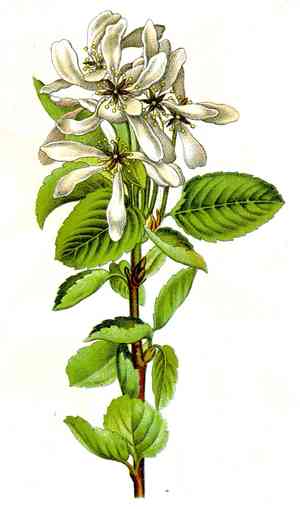
The substantial leaves and graceful, arching stems of Cotoneaster salicifolius benefit from regular trimming to preserve its form and vitality. Conduct pruning during its dormant period in winter, eliminating any branches that are dead, afflicted, or excessively dense. Establish an open core to facilitate light access and air circulation. Remove any basal shoots. Consistent pruning encourages robust growth and abundant blooms, while also managing its dimensions and potential for invasiveness, thereby improving both its visual appeal and ecological contribution.
What Are the Benefits of Pruning Large-leaf Cotoneaster?
What Are the Benefits of Pruning Large-leaf Cotoneaster?
Trimming large-leaf cotoneaster promotes robust development and maintains its desired form. Regular cutting eliminates old or weak stems, fostering healthier, denser foliage and ensuring the plant remains visually appealing and well-proportioned.
What Is the Best Time for Pruning Large-leaf Cotoneaster?
What Is the Best Time for Pruning Large-leaf Cotoneaster?
Pruning large-leaf cotoneaster in late winter or early spring is advantageous because the plant is still dormant, minimizing sap loss and stress. This timing allows for recovery and vigorous growth once the growing season begins. Furthermore, the absence of leaves provides better visibility of the plant's structure, aiding in strategic cuts that encourage healthy branching and maintain its shape. Avoid pruning in late autumn to prevent new growth susceptible to frost damage.
What Tools Do I Need to Prune Large-leaf Cotoneaster?
Bypass Pruners
Large-leaf cotoneaster typically has small to medium-sized branches that can be easily cut with bypass pruners. They provide clean and precise cuts, which help prevent damage to the plant and encourage healthy regrowth.
Loppers
For larger branches that are beyond the capacity of bypass pruners, loppers are the next essential tool. They offer greater leverage and can handle branches with thicker diameters, which large-leaf cotoneaster can occasionally develop.
Pruning Saw
Whenever large-leaf cotoneaster has developed branches that are too thick for loppers, a pruning saw will be necessary. It allows for cutting through thick, woody branches cleanly and with relative ease.
Hedge Shears
For shaping and managing the dense foliage of large-leaf cotoneaster, hedge shears are the ideal tool. They allow for quick and even trimming of the external growth to maintain a desired shape.
How to Prune Large-leaf Cotoneaster
Clean tools
Before pruning large-leaf cotoneaster, sterilize your pruning tools using rubbing alcohol or a 10% bleach solution to prevent the spread of disease.
Remove withered leaves
Carefully inspect large-leaf cotoneaster and remove any withered leaves by hand to maintain plant health and appearance. This allows you to assess the overall health of large-leaf cotoneaster before making further cuts.
Cut dead branches
Using sharp, clean shears, make clean cuts to remove dead branches from large-leaf cotoneaster. Cut at a 45-degree angle just above a healthy bud or set of leaves to promote healthy new growth.
Trim diseased branches
Identify and trim away any diseased branches on large-leaf cotoneaster to prevent the spread of infection. Make cuts well below the affected area, into healthy wood, and dispose of the diseased material safely.
Thinning
Thin out the interior of large-leaf cotoneaster to enhance light penetration and air circulation. Remove selective branches entirely, especially those that are crossing or rubbing against each other which can lead to wounds and disease.
Common Pruning Mistakes with Large-leaf Cotoneaster
Over-pruning
Removing too much foliage can stress large-leaf cotoneaster and affect its ability to photosynthesize and grow healthily. A good rule is not to remove more than one-third of the plant's overall mass in one pruning session.
Improper tool use
Using dull or dirty pruning tools can cause jagged cuts and introduce diseases to large-leaf cotoneaster. Ensuring tools are sharp and clean supports healthy and precise cuts.
Neglecting deadwood removal
Failing to remove dead or diseased branches promptly can lead to pest problems and disease spread, impacting the overall health of large-leaf cotoneaster.
Pruning indiscriminately
Randomly cutting branches without understanding the growth pattern of large-leaf cotoneaster can result in an uneven shape and a reduced number of flowers since large-leaf cotoneaster may bloom on old wood.
Common Pruning Tips for Large-leaf Cotoneaster
Correct technique
Making cuts at a 45-degree angle just above outward-facing buds will encourage large-leaf cotoneaster to grow outwards rather than inwards, promoting a more open and healthy plant structure.
Thin dense areas
Thinning overcrowded branches improves air circulation and light penetration, which is beneficial for the health of large-leaf cotoneaster and helps prevent disease.
Maintain natural shape
Following the natural habit of large-leaf cotoneaster while pruning will result in a more aesthetically pleasing form and minimize stress on the plant.
Encourage new growth
Pruning just above a set of leaves can stimulate large-leaf cotoneaster to produce fresh growth and potentially more flowers, depending on its bloom habits.



