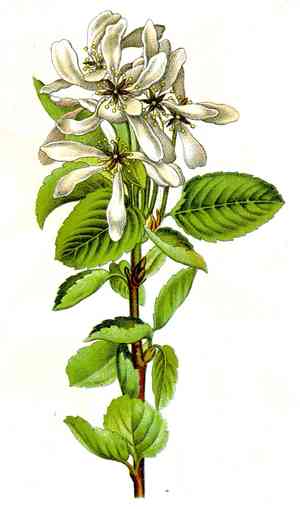
Large-leaf cotoneaster (Cotoneaster glaucophyllus)
Also known as: Bright bead cotoneaster, Gray cotoneaster
Large-leaf cotoneaster (Cotoneaster glaucophyllus) is an attractive shrub known for its red berries, white flowers, and shiny leaves. However, it's classified as an invasive species in South Africa because it spreads easily and disrupts native ecosystems. Additionally, its red berries are toxic to humans, posing a health risk. Therefore, cultivation in home gardens is prohibited.
In This Article
Attributes of Large-leaf cotoneaster
Lifespan
Perennial
Plant Type
Shrub
Plant Height
5 m
Spread
3 m
Leaf Color
Green Gray
Flower Size
8 mm
Flower Color
White Cream
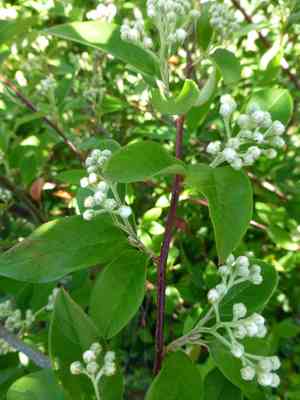
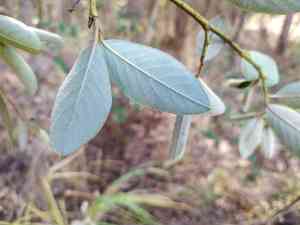
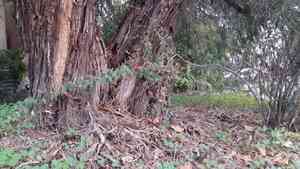
Images of Large-leaf cotoneaster
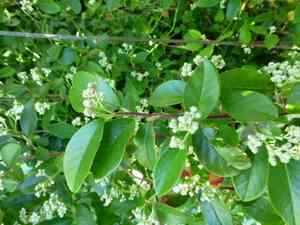
Quickly Identify Large-leaf cotoneaster
1
To identify Cotoneaster glaucophyllus, look for its leathery, glossy green leaves with a glaucous (bluish-green) underside. The leaves are oval-shaped and arranged alternately along the stems. During the flowering season, it produces small, white or pinkish flowers in clusters, which are followed by bright red or orange berries.
Scientific Classification of Large-leaf cotoneaster
Phylum
Vascular plants
Class
Dicotyledons
Order
Rosales
Family
Rose
Genus
Cotoneaster
Species
Large-leaf cotoneaster
Planting and Growing of Large-leaf cotoneaster
Care Difficulty
Easy
Watering Schedule
Every 2 days
Sunlight Requirements
Full sun
Sunshine Duration
10-12 hours
Ideal Temperature
50-75℉
Soil Type
Potting Mix, Peat Mix
Soil pH
6.5-7.5
Fertilizer Type
Balanced
Pruning Season
Spring, Summer
Pruning Area
Branches, Leaves
Pruning Frequency
2 times a year
Repotting Season
Spring
Pot Type
Plastic, Ceramic
 How to Water Large-leaf cotoneaster?
Cotoneaster glaucophyllus thrives with consistent but moderate watering. Each watering session should deliver approximately 500 ml. Aim to saturate the soil evenly while avoiding standing water, ensuring the root zone receives adequate moisture.
What are the symptoms of an underwatered Large-leaf cotoneaster?
›
What should I do if my Large-leaf cotoneaster is not getting enough water?
›
What are the symptoms of an overwatered Large-leaf cotoneaster?
›
How to save an overwatered Large-leaf cotoneaster?
›
 What Are the Sunlight Requirements for Large-leaf cotoneaster?
Cotoneaster glaucophyllus thrives best in conditions ranging from full to partial sun, which facilitates vigorous growth and enhances the ornamental qualities of the plant.
More About Sunlight Requirements Techniques→
How much sunlight does Cotoneaster glaucophyllus need?
›
What are the solutions to achieving ideal lighting?
›
What are the benefits of optimal lighting for this plant?
›
 What Is the Ideal Temperature Range for Large-leaf cotoneaster?
Cotoneaster glaucophyllus thrives best between 50°F and 75°F. This range supports photosynthesis and healthy growth, maintaining robust foliage and flowering activity. Maintaining these temperatures ensures vitality and reduces stress-induced diseases.
 What Soil is Best for Large-leaf cotoneaster?
Cotoneaster glaucophyllus prefers well-drained soil to prevent root rot and ensure healthy growth. Efficient drainage allows roots to breathe and absorb nutrients effectively. This plant thrives in soils enriched with organic matter, promoting robust foliage and vibrant berry production. Balanced nutrients improve plant vitality and resistance to stress. A soil pH between 6.5 and 7.5 is ideal, supporting optimal nutrient uptake. A slightly acidic environment is congenial for its root system.
 How to Fertilize Large-leaf cotoneaster?
For Cotoneaster glaucophyllus, the amount of fertilizer should be moderate yet sufficient to maintain its vibrant growth. A teaspoon of balanced 10-10-10 liquid fertilizer diluted in a gallon of water is usually effective every couple of weeks. It favors a light hand rather than overfeeding, ensuring that the roots absorb the required nutrients without stress.
 How to Prune Large-leaf cotoneaster?
Start by identifying any dead or damaged branches and trim these off as close to the main stem as possible without injuring the plant. Focus on opening up the center of the shrub by removing crossing branches to improve air circulation. Next, cut back about a third of the older, thicker stems to the base to encourage fresh growth. Finish by trimming the tips of the branches to encourage a bushier appearance, ensuring your cuts are clean to promote quick healing. After pruning, make sure to collect and dispose of all plant cuttings. This practice reduces the spread of disease and prevents potential pests from taking shelter. Compost healthy clippings or use them as mulch, but discard any diseased material far from your garden to avoid contamination.
More About Pruning Techniques→
 How to Propagate Large-leaf cotoneaster plant?
1
Select a healthy stem that is free from disease or infestations, typically around 10-15cm long, and make a cut just below a node to increase the likelihood of rooting.
2
Fill a pot with the well-draining potting mix, ensuring there is adequate depth to support root growth. Moisten the mix lightly to create an ideal environment for new roots.
3
Insert the cut end into the soil at least a few centimeters deep. Firm the soil around the base and water lightly to reduce air pockets and help settle the soil.
 How to Repot Large-leaf cotoneaster plant?
1
Keep an eye on signs like roots emerging from the drainage holes, soil drying out too quickly, or when the plant isn't looking as vibrant as usual. These are clear indicators Cotoneaster glaucophyllus is asking for more space.
2
Select a pot that's only a few inches larger in diameter than the current one. Using a slightly larger pot prevents overwatering issues and provides just the right amount of space for root growth, promoting a healthy plant.
3
Opt for a light and well-drained loamy soil mix enriched with some organic matter. This supports healthy root development and ensures that excess water drains efficiently, reducing the risk of root rot.
Toxicity
Ingestion
WARNING
The judgment on toxicity and danger is for reference only. We DO NOT GUARANTEE any accuracy of such judgment. Therefore, you SHALL NOT rely on such judgment. It is IMPORTANT TO SEEK PROFESSIONAL ADVICE in advance when necessary.



