How to Propagate Large-leaf cotoneaster?
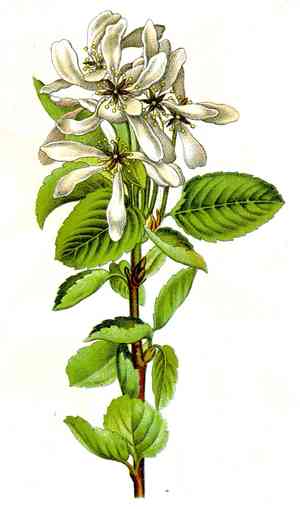
Cotoneaster salicifolius can be successfully multiplied through the use of cuttings. For the best outcome, choose robust, semi-woody sections from established branches. Sever these sections in the morning when their moisture content is highest. Every cutting ought to possess multiple leaves and be severed directly beneath a leaf joint. Submerge the severed tip in rooting compound to stimulate root formation and place it in a sterile, well-aerated substrate, ensuring it remains damp until the root system is firmly set.
What Is the Best Time To Propagate Large-leaf Cotoneaster?
Propagation Type
Cutting
Propagation Season
Spring,Summer
What Tools Are Used in Large-leaf Cotoneaster Propagation?
Sharp Pruning Shears
These are vital for taking clean, precise cuttings from large-leaf cotoneaster. Sharp blades minimize damage to the parent plant, helping prevent infection. Clean cuts also encourage better rooting.
Rooting Hormone Powder
This encourages root development in large-leaf cotoneaster cuttings. Rooting hormone boosts the chance of successful root growth, crucial for healthy propagation. It also speeds up the rooting process, reducing establishment time.
Sterilized Potting Mix
A suitable, pathogen-free potting mix is essential for the healthy growth of large-leaf cotoneaster cuttings. This mix provides necessary nutrients and aeration, aiding robust root development for successful propagation.
Propagation Tray
These trays organize and manage multiple large-leaf cotoneaster cuttings. They support uniform growth conditions and easy handling. Trays need adequate drainage to prevent waterlogging, which harms root growth.
Plastic Dome or Cover
A plastic dome helps maintain high humidity around large-leaf cotoneaster cuttings, vital for rooting. This setup creates a greenhouse-like environment, promoting faster root and shoot development and reducing water loss.
How to Propagate Large-leaf Cotoneaster?
Propagation Type
Moderately Difficult
How to Care for Your Newly Propagated Large-leaf Cotoneaster?
How to Care for Your Newly Propagated Large-leaf Cotoneaster?
Once roots form, gradually introduce large-leaf cotoneaster to its permanent location. Ensure it's planted in well-drained soil and gets full to partial sunlight. Regular watering is key initially after transplanting, but avoid overwatering. Prune annually to maintain plant shape and health.
Common Mistakes to Avoid When Propagating Large-leaf Cotoneaster
Overwatering cuttings
Excessive watering of large-leaf cotoneaster cuttings can lead to root rot and fungal diseases, hindering root development and lowering the overall propagation success rate.
Ignoring soil type
Using unsuitable soil types can prevent optimal rooting of large-leaf cotoneaster cuttings. For instance, poorly draining soils can cause water to accumulate around roots, promoting rot.
Excessive fertilization
Applying too much fertilizer to large-leaf cotoneaster during early propagation can cause salt buildup, potentially burning and damaging young roots, thus stunting growth.
Neglecting humidity control
Failing to maintain proper humidity levels around large-leaf cotoneaster can cause cuttings to dry out too quickly, impeding successful root development.
Tips For Propagating Large-leaf Cotoneaster
Appropriate cutting selection
Select healthy, semi-hardwood segments from large-leaf cotoneaster for cuttings. These typically root more effectively and are less susceptible to disease than very mature or very young stems.
Soil preparation
Prepare a well-draining soil mix, ideally half perlite and half peat, to ensure adequate moisture retention and good aeration around the roots of large-leaf cotoneaster.
Use rooting hormone
Dip the cut end of large-leaf cotoneaster's cuttings into rooting hormone before planting. This boosts root initiation and generally increases the propagation success rate.
Humidity and moisture control
Create a humid environment for large-leaf cotoneaster cuttings, using a plastic cover or propagator, and keep the soil consistently moist but not waterlogged to support root growth without rot.



