How to Transplant Golden marguerite?
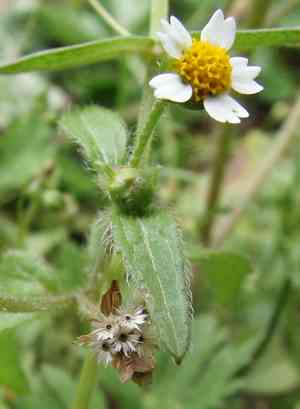
For golden marguerite, the perfect window for relocation is from late spring to early summer, a time of moderate temperatures, which guarantees vigorous development. Choose a bright spot with soil that drains effectively. Carefully untangle the roots if they are circling the pot, to foster outward spread.
What Preparations are Needed Before Transplanting Golden Marguerite?
What is the Ideal Time for Transplanting Golden Marguerite?
The optimal period for moving golden marguerite is when temperatures are rising but not yet at their peak – during the mild conditions of late spring to early summer. This allows golden marguerite roots sufficient time to establish in gentle weather, ensuring vigorous development. Relocating golden marguerite during this timeframe utilizes the longer days and moderate temperatures, promoting root growth before the height of summer encourages top growth. The helpful advice here? Mark your calendar for this favorable window, your golden marguerite will reward you with robust health.
How Much Space Should You Leave Between Golden Marguerite Plants?
To provide your golden marguerite plant with the best start, position seedlings 1-2 feet (30-60cm) apart. This ensures each plant has ample room to develop healthily and reach its full potential.
What is the Best Soil Mix for Golden Marguerite Transplanting?
Prepare your garden by incorporating loamy or sandy soil mixed with a foundational fertilizer for a strong beginning. This combination provides golden marguerite with the nutrient-rich environment it requires to flourish.
Where Should You Relocate Your Golden Marguerite?
Placement is crucial for golden marguerite! Select a spot where it can absorb abundant sunlight. Full sun encourages larger growth, prolific blooming, and enhances your gardening experience.
What Equipments Should You Prepare Before Transplantation Golden Marguerite?
Gardening Gloves
To safeguard your hands while working with soil and handling the golden marguerite.
Shovel or Spade
To excavate the plant from its original spot or to prepare a new planting hole.
Pruning Shears
To trim any damaged roots or foliage from the plant.
Hose or Watering Can
To hydrate the plant before, during, and after the transplanting process.
Wheelbarrow or Bucket
To move the plant from its initial location to its new position.
Compost or Organic Matter
To enrich the planting hole and enhance soil fertility.
Transplanting Trowel
This smaller implement aids in lifting smaller plants from containers or trays and is especially useful for creating precise holes in the planting area.
How Do You Remove Golden Marguerite from the Soil?
How Do You Remove Golden Marguerite from the Soil?
From Ground: Water the golden marguerite plant thoroughly the day prior to the scheduled move to minimize stress and make the soil more pliable. Use a shovel or spade to dig a wide circle around the golden marguerite, far enough from the base to avoid harming the root ball. Push the spade beneath the root ball and carefully lift the plant. Avoid yanking or pulling forcefully to prevent damage to the plant.From Pot: Water the golden marguerite completely so the soil is damp, but not saturated, to keep the root system intact during the transplant. Wear gloves and invert the pot while holding your hand over the soil surface. Gently tap the bottom and sides of the pot to dislodge the plant. Never pull the plant by the stem.From Seedling Tray: Fill a cup or small pot with potting mix. Create a hole with your finger or a tool approximately the size of the seedling's root ball. Use a transplant trowel or small spoon to carefully scoop the seedling from the tray, taking care not to injure the roots or stem. Hold the seedling by its leaves, not its stem.
Step-by-Step Guide for Transplanting Golden Marguerite
Site Preparation
Prepare the new cavity for the golden marguerite plant, making it twice as wide as the root ball and equally deep. Incorporate compost or organic material into the hole to boost soil fertility.
Placement
Position the golden marguerite in the center of the cavity. Be careful to set it in the ground at the same depth as it was in its original spot.
Soil Filling
Backfill the cavity with soil, gently firming it around the root ball.
Watering
Water the plant thoroughly after planting, saturating the soil around the plant to settle it and eliminate air pockets.
Pruning
Remove any damaged or withered foliage to direct the plant's energy towards new growth.
How Do You Care For Golden Marguerite After Transplanting?
Mulching
Apply a layer of mulch around the plant, but not touching the stem, to retain moisture and suppress weeds.
Watering
Water the golden marguerite regularly, more frequently in the initial weeks after transplanting until it establishes. Then adjust watering to the plant's specific requirements.
Protection
Shield new transplants from harsh weather and pests. Consider a temporary covering if frost or heavy rain is anticipated.
Monitoring
Observe the plant for indications of transplant shock, such as wilting or discolored leaves. If these symptoms persist, consult a local nursery or extension service.
Troubleshooting Common Issues with Golden Marguerite Transplantation.
What's the ideal season for transplanting golden marguerite?
The optimal time to transplant golden marguerite is during late summer to early fall (S3-S4). This allows the plant to establish roots before winter.
How much space should I leave between each golden marguerite during transplanting?
Maintain a gap of approximately 1-2 feet (30-60 cm) between each golden marguerite. This provides them with space for good air circulation, growth, and prevents overcrowding.
What kind of soil is suitable for transplanting golden marguerite?
Golden marguerite thrives in well-drained, loamy soil that is moderately rich. Excessively fertile soil can lead to leggy growth and fewer blooms.
How deep should the hole for transplanting golden marguerite be?
Dig a hole that is only as deep as the root ball, but twice as wide. This gives the roots room to spread without becoming compacted.
Is it necessary to water golden marguerite immediately after transplanting?
Yes, it is crucial to water golden marguerite right after transplanting. This helps settle the soil around the roots and reduces transplant shock.
Should I fertilize golden marguerite after transplanting?
While not immediately essential, applying a slow-release fertilizer a few weeks after transplanting can boost golden marguerite's growth and flower production.
How can I handle root-bound golden marguerite during transplanting?
If golden marguerite's roots are compacted, gently separate them before planting. This encourages them to spread and establish in their new location.
Should I prune golden marguerite while transplanting?
Pruning is not a necessity while transplanting golden marguerite, but removing any damaged or dead growth can potentially help it thrive.
Why is golden marguerite wilting after transplanting?
Wilting could indicate transplant shock, triggered by the sudden change in conditions. Consistent watering and protecting the plant from extreme weather can help.
Why hasn't golden marguerite been blooming after transplanting?
Golden marguerite may take some time to bloom post-transplant as it might be focusing on root establishment. Ensure it has optimal conditions like sunlight, water, and nutrients for successful blooming.



