How to Prune Golden marguerite?
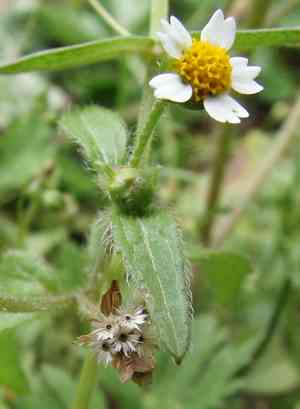
Originating from Europe and Western Asia, golden marguerite is recognized for its vibrant yellow blossoms and herbaceous characteristics. Essential pruning methods involve deadheading faded blooms to stimulate further flowering and reducing stems by one-third in late autumn for winter survival. The most effective pruning takes place following the initial flowering period in late spring and can persist moderately throughout summer to preserve its form. Pruning fosters robust development and deters etiolation, guaranteeing a thriving, compact look annually.
What Are the Benefits of Pruning Golden Marguerite?
What Are the Benefits of Pruning Golden Marguerite?
Trimming golden marguerite encourages new growth, leading to more abundant blossoms. It helps the plant maintain a compact, desired form and promotes more vigorous development by removing dead or weak stems that can deplete energy from developing flowers.
What Is the Best Time for Pruning Golden Marguerite?
What Is the Best Time for Pruning Golden Marguerite?
Pruning golden marguerite in spring aligns with the post-dormancy period when the plant begins active growth, allowing for robust recovery and shaping before the main flowering season. It's crucial for fostering vigorous growth and maintaining an attractive shape. Late summer pruning, after the initial bloom has concluded, is ideal for deadheading spent flowers to encourage a second flush of blooms and prevent self-seeding, which can lead to overpopulation. This timing also helps golden marguerite conserve energy for the subsequent season and maintain plant health. Pruning is not recommended in fall, as this can stimulate new growth that would be vulnerable to damage from the upcoming colder temperatures.
What Tools Do I Need to Prune Golden Marguerite?
Bypass Hand Pruners
Perfect for making clean cuts on the green, living stems of golden marguerite without crushing the plant tissue, aiding healthy regrowth.
Gardening Shears
Excellent for shaping and trimming golden marguerite's herbaceous foliage to maintain the desired appearance without creating jagged cuts that could lead to disease.
Gloves
Hand protection when pruning golden marguerite, as the task may involve handling rough stems or potentially irritating sap.
How to Prune Golden Marguerite
Identify
Examine golden marguerite for any diseased leaves, withered leaves, and withered flowers that require removal. Inspect the entire plant, including lower and inner sections where poor air circulation may foster disease.
Sanitize
Sanitize your pruning tools with a solution of 1 part bleach to 9 parts water to prevent disease spread. Clean the blades after pruning diseased material before moving to healthy areas.
Remove disease
Carefully snip off diseased leaves at their base, close to the main stem, ensuring not to tear or damage the plant's tissue.
Trim wither
Cut away withered leaves and flowers using sharp pruning shears. Make your cuts at the base of the withered parts to promote healthier growth and improve air circulation.
Maintain shape
After removing diseased and withered portions, lightly shape golden marguerite as needed by trimming overgrown areas to maintain a pleasing plant shape and encourage bushier growth. This can also help with light penetration and air flow through the plant.
Common Pruning Mistakes with Golden Marguerite
Over-pruning
Cutting back golden marguerite too aggressively can lead to poor plant health and diminished flowering. Golden marguerite typically responds well to pruning, but removing more than one-third of the plant at a time can be detrimental.
Blunt tool use
Using dull or blunt tools can cause jagged cuts that can become entry points for pests and diseases.
Improper cut location
Cutting golden marguerite too far away from a bud, leaf node, or not on a slant near the node can prevent speedy recovery and leave unsightly stems.
Neglecting deadhead
Failure to remove spent flowers from golden marguerite can result in fewer blooms as the plant focuses its energy on seed production.
Pruning without disinfecting
Not disinfecting tools between cuts and plants can spread disease throughout the garden.
Common Pruning Tips for Golden Marguerite
Sharp tools
Always use sharp, clean pruning tools to make precise cuts, which helps golden marguerite heal faster and reduces the risk of disease.
Correct cut location
Make cuts at a 45-degree angle just above a leaf node or bud to encourage golden marguerite to produce more branches and flowers.
Deadheading routine
Regularly remove dead or fading flowers from golden marguerite to promote continuous blooming throughout the growing season.
Thin out
Thin out crowded stems by pruning them at their base to improve air circulation and light penetration, which are essential for golden marguerite's vitality and bloom production.
Shape and size
Prune golden marguerite to maintain the desired shape and size while ensuring that the plant looks natural and supports flower development.



