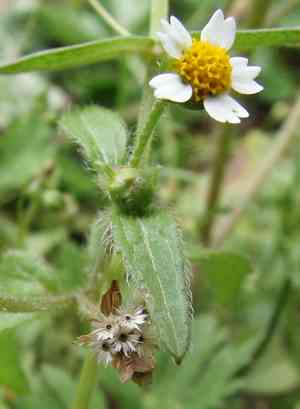
Golden marguerite (Cota tinctoria)
Also known as: Dyer's chamomile
A resilient perennial, the golden marguerite boasts vibrant yellow blooms. It thrives in poor soil and under intense sunlight, but it prefers well-drained conditions over soggy ones. This flower is simple to cultivate and works wonderfully for cut flower arrangements.
In This Article
Attributes of Golden marguerite
Lifespan
Perennial, Biennial
Plant Type
Herb
Plant Height
20 cm to 80 cm
Spread
50 cm to 60 cm
Leaf Color
Green Blue
Flower Size
5 cm
Flower Color
White Yellow
Images of Golden marguerite
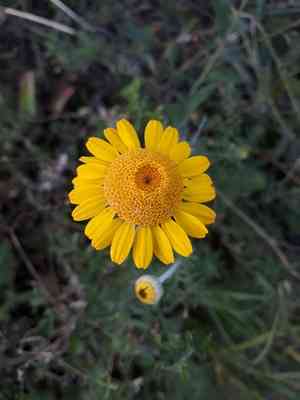
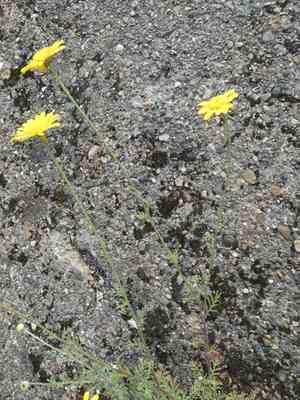
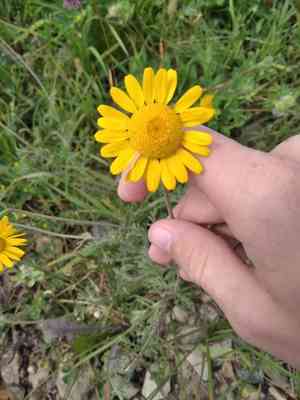
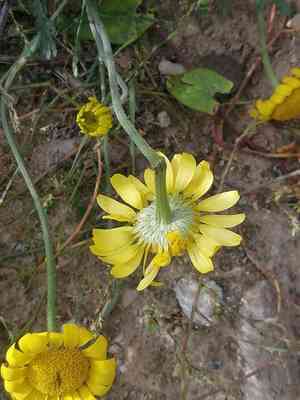
Quickly Identify Golden marguerite
1
Cota tinctoria can be identified by its bright yellow, daisy-like flowers, which bloom from mid-summer to early fall. The plant has finely divided, fern-like green leaves. It typically grows to a height of 30-90 cm and has a distinctive aromatic scent. The flowers have a central disk surrounded by numerous ray florets.
Scientific Classification of Golden marguerite
Phylum
Vascular plants
Class
Dicotyledons
Order
Asters bellflowers fanflowers and allies
Family
Daisy
Genus
Cota
Species
Golden marguerite
Planting and Growing of Golden marguerite
Care Difficulty
Easy
Watering Schedule
Every 2 days
Sunlight Requirements
Full sun
Sunshine Duration
4-6 hours
Ideal Temperature
65-75℉
Soil Type
Potting Mix, Peat Mix
Soil pH
6.5-7.5
Fertilizer Type
Balanced
Pruning Season
Spring, Summer
Pruning Area
Branches, Leaves
Pruning Frequency
2 times a year
Repotting Season
Spring
Pot Type
Plastic, Ceramic
 How to Water Golden marguerite?
Cota tinctoria appreciates a moderate amount of water. Aim for approximately 250 milliliters each time, ensuring the soil is evenly moist but not waterlogged. The goal is to thoroughly saturate the soil without leaving standing water at the surface.
What are the symptoms of an underwatered Golden marguerite?
›
What should I do if my Golden marguerite is not getting enough water?
›
What are the symptoms of an overwatered Golden marguerite?
›
How to save an overwatered Golden marguerite?
›
 What Are the Sunlight Requirements for Golden marguerite?
Cota tinctoria prefers full sun to partial sun conditions. Ideally, exposure to 6 to 8 hours of sunlight daily supports its health, enhancing both its foliage quality and flowering potential.
More About Sunlight Requirements Techniques→
How much sun does Cota tinctoria need?
›
What happens under ideal light?
›
How to ensure ideal lighting?
›
 What Is the Ideal Temperature Range for Golden marguerite?
For optimal growth, Cota tinctoria thrives in temperatures ranging from 65 to 75 degrees Fahrenheit. This range supports healthy foliage development and vibrant blooms, offering the best conditions for photosynthesis and nutrient intake.
 What Soil is Best for Golden marguerite?
Cota tinctoria thrives in well-drained soil, as it prevents root rot and ensures that the roots get enough oxygen. Well-drained soils reduce the risk of overwatering by allowing excess water to escape, making it easier to maintain moisture balance. Although Cota tinctoria is adapted to poorer soils, it benefits from a nutrient-rich substrate. Adding compost or well-rotted manure once a year can provide essential nutrients that support its vibrant growth and flower production. This plant prefers moderately moist conditions; however, it is quite drought-tolerant once established. Maintaining a consistent moisture level helps in robust root development and prolongs the blooming period of the plant.
 How to Fertilize Golden marguerite?
For Cota tinctoria, it's important to use a balanced fertilizer. The recommended dose is approximately 10 grams per square meter for solid fertilizer. For liquid fertilizers, use a diluted solution at half strength to prevent root burn.
 How to Prune Golden marguerite?
To prune Cota tinctoria, use a pair of sharp, clean pruning shears. Begin by cutting back any dead or diseased stems to their base. Remove faded flowers by trimming the flower stem back to the nearest pair of healthy leaves. This will encourage more buds to develop. If the plant becomes too tall or leggy, trim back the stems up to one-third of their length to maintain a compact and appealing shape. Always make cuts just above a leaf node to promote lateral branching.
More About Pruning Techniques→
 How to Propagate Golden marguerite plant?
1
Fill seedling trays with well-draining potting mix. Sow Cota tinctoria seeds on the surface and lightly cover them with soil. Keeping them in a warm, sunny location aids germination.
2
Regularly mist the soil using a spray bottle to keep it moist but not waterlogged. Overwatering can lead to root rot, so ensure the soil remains just damp to encourage healthy seedling growth.
3
Carefully dig around the plant to expose its roots. Gently separate the roots using a knife or spade. Replant each division into prepared soil, ensuring each has sufficient space to grow.
 How to Repot Golden marguerite plant?
1
Observe Cota tinctoria for signs like roots poking through drainage holes or water sitting on the surface, indicating it's time to repot. These signs show that the plant is becoming root-bound, requiring more room for growth.
2
Select a container 2-3 inches larger in diameter than the current one. Ensure it has drainage holes to prevent root rot. A slightly heavier pot can provide stability for a plant that tends to grow tall and may risk tipping over.
3
Opt for a light, fluffy mixture with excellent drainage such as a blend of peat, perlite, and sand. This combination permits roots to breathe while retaining essential moisture without waterlogging the plant.
Learn More About Golden marguerite Diseases
Anthracnose
Bacterial Leaf Spot
Bacterial Soft Rot
Bacterial Wilt
Black Spot
Chemical Injury
Crown Gall
Cyst Nematode
Damping-off
Downy Mildew
Drought Stress
Fusarium Wilt
Gray Mold
Leaf Curl
Leaf Spot
Mosaic
Nutrient Deficiency
Nutrient Toxicity
Powdery Mildew
Root Rot
Root-knot Nematode
Rusts
Sooty Mold
Spider Mites
Temperature Stress
Thrips Damage
White Mold



