How Much Sunlight Do Golden marguerite Need?
1
For optimal growth, Golden marguerite requires a minimum of 6 hours of direct sun exposure each day.
2
To avoid sparse or stretched growth, ensure your Golden marguerite gets ample sunlight.
3
Regularly turning your Golden marguerite in its pot helps ensure even sun exposure across the plant.
Optimal Light Conditions for Golden marguerite
Full Sun Requirements
The Golden marguerite thrives best with abundant sunshine. This means receiving a minimum of 6 hours of direct sun daily. Under such exposure, the plant can photosynthesize efficiently, promoting vigorous development and vibrant blooms. When arranging your garden, confirm the Golden marguerite is situated where it won't be shaded by taller flora or structures.
Tolerance for Partial Sun
While full sun is preferred, Golden marguerite can endure partial sun, particularly in regions with very high temperatures. Partial sun indicates the plant should get 3-6 hours of direct sunlight each day. If you notice the plant struggling with intense midday sun, offering some afternoon shade can help prevent leaf burn and dehydration.
Seasonal Light Adjustments
Sunlight availability changes with the seasons, and the Golden marguerite adapts. During spring and summer, when light is plentiful, ensure the plant is positioned to capture as much light as possible. In autumn and winter, when daylight hours shorten, consider moving potted plants indoors to a sunny window to maintain light exposure. Being aware of these seasonal shifts helps your Golden marguerite stay healthy throughout the year.
Importance of Sunlight for Golden marguerite
Photosynthesis and Development
Sunlight is essential for photosynthesis – the process plants use to convert light energy into chemical energy. For Golden marguerite, sufficient sunlight exposure leads to effective photosynthesis, encouraging steady and robust growth. Without enough light, the plant may show stunted development and thin foliage, signaling an energy deficit.
Flowering Cycle
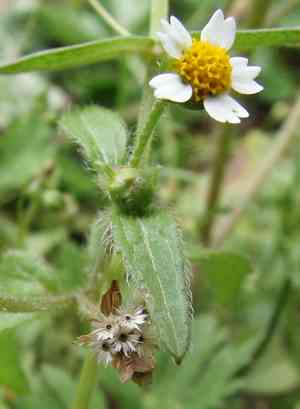
A key feature of the Golden marguerite is its stunning yellow flowers. These blooms are not only aesthetically pleasing but also indicate the plant's overall health and sufficient light. Sunlight initiates the flowering cycle, and without it, the plant might produce fewer blossoms or experience delayed blooming. Ensuring your Golden marguerite gets ample sunlight is vital for a flourishing, flowering plant.
How to Position Golden marguerite for Best Sunlight
Outdoor Placement Advice
For outdoor cultivation, select a site where the plant can soak up sunlight for at least 6 hours daily. South-facing garden areas generally provide the most sun. Ensure the soil drains well, as waterlogged conditions can hinder root function. Planting Golden marguerite in elevated beds or on sloped ground can enhance sunlight exposure and drainage.
Indoor Location
If you are cultivating Golden marguerite indoors, place it near a south-facing window to maximize light intake. Ensure it's not blocked by drapes or furniture. If natural light is inadequate, consider supplementing with grow lights, ideally running them for about 12-16 hours daily to simulate natural sunlight.
Plant Rotation
Indoor plants can develop uneven growth if one side constantly faces the light source. To counteract this, rotate your potted Golden marguerite every few days so all sides receive equal sun exposure. This simple practice helps maintain a balanced, vibrant appearance.
Common Sunlight-Related Problems for Golden marguerite
Symptoms of Excessive Sunlight
Although Golden marguerite enjoys sun, too much direct exposure, especially during peak intensity, can cause problems. Watch for signs like leaf burn, browning, and wilting. If these issues emerge, consider providing some afternoon shade to shield your plant from intense rays.
Signs of Insufficient Sunlight
Conversely, a lack of sunlight can lead to problems like etiolation – where the plant stretches toward the light source, resulting in weak, elongated stems. The foliage may appear sparse, and flower production might decrease. Ensuring the plant gets adequate light can alleviate these symptoms.
Preventive Strategies
Proactive care can avert sunlight-related issues. Confirm your Golden marguerite is planted in the correct spot with optimal light conditions. Regularly check for indicators of sun stress and adjust its position as needed. For indoor plants, think about using sheer curtains to diffuse strong light or augmenting illumination with artificial sources during shorter days.



