How to Transplant Rhinoceros cactus?
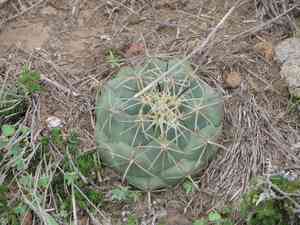
Rhinoceros cactus flourishes most effectively when relocated between the onset and conclusion of spring. Select a bright, adequately draining location featuring sandy substrate for peak development. Exercise caution during handling to prevent harm to the roots and verify that the soil remains loose.
What Preparations are Needed Before Transplanting Rhinoceros Cactus?
What is the Ideal Time for Transplanting Rhinoceros Cactus?
The best period for relocating rhinoceros cactus spans from the beginning of early spring to the close of spring. This timing facilitates optimal root development due to moderate temperatures and increased daylight hours. Transplanting during this window minimizes plant stress and maximizes growth potential during its active season.
How Much Space Should You Leave Between Rhinoceros Cactus Plants?
When transplanting rhinoceros cactus, position each plant 12-18 inches (30-45 cm) apart. This spacing provides ample room for healthy development and proper air circulation.
What is the Best Soil Mix for Rhinoceros Cactus Transplanting?
Prepare a soil mixture that drains effectively, incorporating sand or perlite. Enhance the soil with a mild base fertilizer, such as a balanced 10-10-10 (N-P-K) formula, to stimulate growth.
Where Should You Relocate Your Rhinoceros Cactus?
Select a sunny location for rhinoceros cactus, ideally where the plant can receive at least 6 hours of direct sunlight daily. This helps maintain its health and vibrancy.
What Equipments Should You Prepare Before Transplantation Rhinoceros Cactus?
Gardening Gloves
To safeguard your hands while handling soil and the plant.
Shovel or Spade
To excavate around and lift the plant from its original spot.
Trowel
For precise digging and to assist in loosening the soil.
Pruning Shears
To trim any damaged roots or foliage.
Watering Can
To hydrate the plant before and after its relocation.
Wheelbarrow or Bucket
To move the plant if necessary.
Stakes and Ties
To provide support for the plant in its new position if required.
How Do You Remove Rhinoceros Cactus from the Soil?
How Do You Remove Rhinoceros Cactus from the Soil?
From Ground: First, moisten the soil around the rhinoceros cactus plant. Then, dig a wide trench around the plant using a shovel or spade, ensuring the plant's root ball remains intact. Carefully work the spade beneath the root ball to lift the plant from its original location.From Pot: Water the rhinoceros cactus plant thoroughly. Gently tilt the pot to one side and slide the plant out by tapping the sides. If the plant is stuck, run a trowel along the pot's edge to loosen it. Ensure the root ball stays intact during removal.From Seedling Tray: Water the seedlings beforehand and use a trowel or your fingers to gently lift them from the tray. Be careful not to harm the delicate roots.
Step-by-Step Guide for Transplanting Rhinoceros Cactus
Site Preparation
Prepare the transplant location by digging a hole that is twice as wide and the same depth as the root ball of the rhinoceros cactus plant.
Prepare the Plant
If the rhinoceros cactus plant has any damaged roots or foliage, use pruning shears to remove them. This helps the plant direct energy towards new growth.
Transplant the Plant
Place the rhinoceros cactus plant in the new hole, ensuring it sits at the same depth as it was in its original spot. Fill the hole with soil, gently firming it around the plant.
Water the Plant
Thoroughly water the rhinoceros cactus plant after transplanting to help settle the soil and provide moisture. Continue to water as needed.
How Do You Care For Rhinoceros Cactus After Transplanting?
Watering
Keep the soil around the rhinoceros cactus consistently moist, but not waterlogged, for the initial weeks after transplanting to aid in establishing strong roots.
Mulching
Apply a layer of mulch around the base of the rhinoceros cactus to help retain moisture and regulate soil temperature.
Monitoring
Regularly inspect the rhinoceros cactus for indications of stress, such as wilting or discoloration, and address any issues promptly.
Supporting
If the rhinoceros cactus plant is tall or top-heavy, use stakes and ties to provide additional support until it is fully established.
Troubleshooting Common Issues with Rhinoceros Cactus Transplantation.
When is the best time to transplant rhinoceros cactus?
The optimal period to transplant rhinoceros cactus is from early spring to late spring.
How should I space the transplants?
Space rhinoceros cactus transplants 12-18 inches (30-45 cm) apart for ideal growth.
What type of soil is best for rhinoceros cactus?
Utilize well-draining soil with a sandy or gritty texture for transplanting rhinoceros cactus.
How deep should I plant rhinoceros cactus?
Plant rhinoceros cactus at the same depth it was in its initial container.
Should I water rhinoceros cactus after transplanting?
Yes, lightly water rhinoceros cactus after transplanting to help the soil settle.
How to prepare the planting hole for rhinoceros cactus?
Dig a hole twice as wide as the root ball and slightly deeper than the container.
Do I need to trim roots before transplanting rhinoceros cactus?
Inspect and trim any damaged roots but avoid excessive root trimming when transplanting rhinoceros cactus.
What temperatures should I avoid when transplanting rhinoceros cactus?
Avoid transplanting rhinoceros cactus in temperatures below 50°F (10°C) or above 90°F (32°C).
Is fertilizer necessary when transplanting rhinoceros cactus?
It's best to avoid fertilizing immediately; wait 2-3 weeks after transplanting rhinoceros cactus.
How much sunlight does rhinoceros cactus need after transplanting?
Ensure rhinoceros cactus receives full sunlight, at least 6 hours a day, after transplanting.



