How to Prune Rhinoceros cactus?
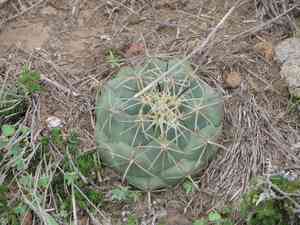
The Rhinoceros cactus, recognized for its unique spherical form and prominent protuberances, needs very little trimming. The best periods for pruning are from late winter to early spring, coinciding with its inactive period. Eliminate any injured or infected sections with sanitized instruments to avoid contamination. Trimming encourages improved air circulation and light exposure, thereby lessening problems with pests and illnesses. Make sure all cuts are precise to facilitate rapid recovery. Appropriate pruning boosts the plant's general well-being and look, rendering it sturdier and more attractive.
What Are the Benefits of Pruning Rhinoceros Cactus?
What Are the Benefits of Pruning Rhinoceros Cactus?
Trimming rhinoceros cactus encourages robust development and helps maintain its desired form. This lowers pest and disease risks, promotes healthy growth, and improves overall appearance. Pruned rhinoceros cactus grow stronger, more resilient, and visually appealing, simplifying their care and cultivation.
What Is the Best Time for Pruning Rhinoceros Cactus?
What Is the Best Time for Pruning Rhinoceros Cactus?
Trimming or cutting back rhinoceros cactus in early spring and late winter is advised to align with its growth cycle. During these periods, rhinoceros cactus is typically inactive or just starting to emerge from dormancy, making it less vulnerable to stress and illness. Pruning at this time allows the plant to recover more efficiently before the active growing season begins, ensuring better health and vitality. Additionally, avoiding pruning during peak growth and flowering helps preserve the plant's aesthetic and structural integrity.
What Tools Do I Need to Prune Rhinoceros Cactus?
Sterilized Small Pruning Shears
Perfect for making precise cuts, ensuring clean snips without harming the delicate tissues of rhinoceros cactus, and minimizing infection risk.
Long Tweezers
Crucial for removing spent flower stalks and debris from confined areas without damaging the spines.
Sharp Knife or Grafting Knife
Useful for cleanly detaching pups or offsets, which aids in effectively propagating rhinoceros cactus.
Disinfectant/Sanitizing Solution
Essential for cleaning all tools before and after pruning to prevent disease transmission.
How to Prune Rhinoceros Cactus
Inspect
Thoroughly examine rhinoceros cactus for any indications of diseased or withered foliage, focusing on areas that may appear less healthy or discolored.
Sterilize
Sanitize all pruning implements to prevent the spread of pathogens. Use a solution of one part bleach to nine parts water.
Remove Diseased Leaves
Carefully cut away any diseased leaves close to the base, ensuring the entire affected portion is removed to prevent further infection.
Remove Withered Leaves
Trim withered leaves by cutting them off at their base. Avoid tearing or causing damage to healthy parts of rhinoceros cactus.
Assess After Pruning
Re-evaluate rhinoceros cactus after pruning to confirm all diseased and withered leaves are gone. Dispose of pruned materials away from the plant to prevent contamination.
Common Pruning Mistakes with Rhinoceros Cactus
Over-pruning
Removing too many sections can stress rhinoceros cactus, leading to stunted development and reduced flowering.
Improper tools
Using dull or contaminated tools can cause infection or significant harm to rhinoceros cactus.
Pruning at the wrong angle
Cutting at an incorrect angle can result in wounds that heal poorly, making rhinoceros cactus susceptible to diseases.
Incorrect identification of segments
Failing to accurately identify which segments require trimming can lead to cutting healthy parts unnecessarily.
Ignoring plant stress signs
Pruning rhinoceros cactus when it exhibits signs of stress, such as discoloration or soft spots, can worsen the problem and impede recovery.
Common Pruning Tips for Rhinoceros Cactus
Sterilize tools
Ensure pruning tools are clean and disinfected before use to prevent infections.
Use sharp tools
Sharp, high-quality tools create clean cuts that heal faster and reduce plant stress.
Identify dead or diseased segments
Carefully examine rhinoceros cactus to identify and remove any dead, damaged, or diseased segments while keeping healthy parts intact.
Angle cuts properly
Make cuts at a slight angle to promote better healing and reduce the risk of diseases.
Prune minimally
Prune only what is necessary to maintain the shape and health of rhinoceros cactus, as it does not require extensive pruning.



