How to Propagate Rhinoceros cactus?
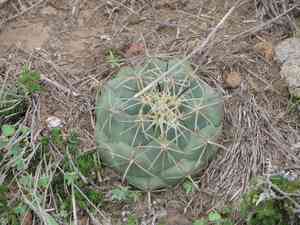
The Rhinoceros cactus, a compact, spherical succulent, is prized for its distinctive horn-shaped protuberances. To multiply Rhinoceros cactus via seeding, utilize a growing medium that drains effectively and newly harvested seeds. Confirm the substrate stays moderately damp, and supply intense, diffused illumination. Applying a fine coating of sand over the seeds can facilitate sprouting. Refrain from excessive watering to avert decay.
Optimal Period for Rhinoceros Cactus Propagation
Propagation Method
Seeding
Propagation Period
Spring
Tools for Rhinoceros Cactus Propagation
Seed Tray
A seed tray offers a controlled setting for planting rhinoceros cactus seeds, ensuring even distribution and consistent development. Key features include drainage holes and a clear lid for humidity control.
Sterilized Potting Mix
Employing a sterilized potting mix prevents soil-borne pathogens and pests, crucial for the initial stages of rhinoceros cactus's development. A well-draining cactus blend is preferred to avoid root decay.
Heating Mat
A heating mat helps maintain a steady temperature, vital for rhinoceros cactus seed germination, especially in cooler climates. Adjustable settings provide ideal warmth.
Grow Light
Providing sufficient illumination via a grow light is essential, particularly if natural light is inadequate. Full-spectrum lights mimic sunlight, fostering healthy photosynthesis in rhinoceros cactus.
Spray Bottle
A spray bottle provides a gentle method to moisten the soil without disturbing delicate rhinoceros cactus seeds. A fine mist ensures uniform moisture distribution, which is crucial for seed sprouting.
Tweezers or Seedling Transplanter
Tweezers or a seedling transplanter assist in handling tiny rhinoceros cactus seedlings with minimal disturbance, reducing damage risk and promoting robust growth.
How to Propagate Rhinoceros Cactus?
Propagation Type
Simple
Caring for Your Newly Propagated Rhinoceros Cactus
Caring for Your Newly Propagated Rhinoceros Cactus
Post-germination, continue to provide bright, indirect sunlight and allow the soil to dry slightly between waterings. As seedlings grow, carefully transfer them into individual pots with a well-draining cactus mix. Shield young plants from extreme temperatures and overwatering. Regularly inspect for pests and diseases, and ensure adequate airflow to prevent fungal issues. With proper care, rhinoceros cactus will flourish and mature into healthy specimens.
Common Errors to Avoid When Propagating Rhinoceros Cactus
Overwatering
Excessive irrigation can lead to root rot, which is particularly harmful to rhinoceros cactus as it thrives in arid conditions typical of cacti.
Incorrect Soil Mix
Using a soil blend that retains too much moisture can cause roots to remain constantly wet, leading to fungal infections.
Poor Drainage
Inadequate drainage in pots or planting areas can drown the roots, causing the plant to suffer and potentially perish.
Not Allowing Callusing
Failing to let cuttings or offsets form a callus before planting can result in infections and reduced chances of successful rooting.
Insufficient Light
Placing the plant in an area with inadequate sunlight will hinder its growth and overall health, as rhinoceros cactus requires bright light to thrive.
High Humidity
Keeping rhinoceros cactus in a high humidity environment can stress the plant and encourage fungal diseases.
Tips For Propagating Rhinoceros Cactus
Use Well-Draining Soil
Choose a cactus or succulent mix that allows for excellent drainage, preventing root decay.
Allow Cuttings to Callus
Let cut ends dry and form a callus for several days before planting to prevent infections and improve rooting success.
Provide Adequate Light
Ensure the plant receives ample indirect sunlight, mimicking its natural habitat to promote healthy development.
Limit Watering
Water sparingly and only when the soil is completely dry to prevent overwatering problems.
Ensure Proper Air Circulation
Maintain good air movement around the plant to reduce the risk of rot and fungal issues.
Use Potting Containers with Drainage Holes
Always plant rhinoceros cactus in containers that have drainage holes to facilitate the quick escape of excess water.



