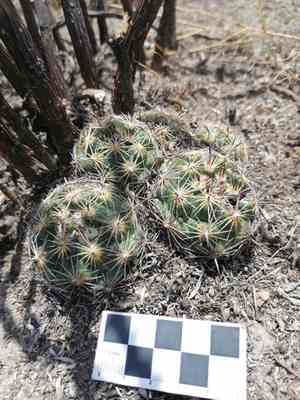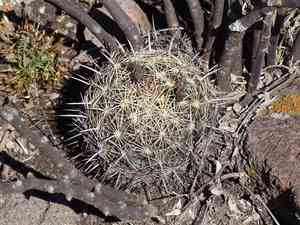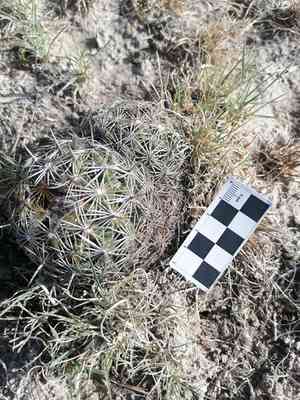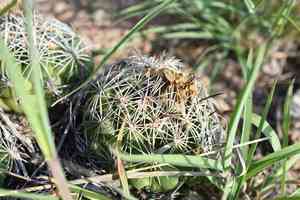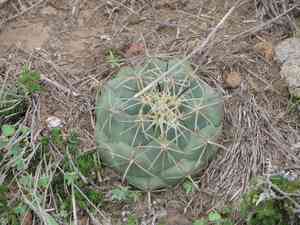
Rhinoceros cactus(Coryphantha cornifera)

Rhinoceros cactus (Coryphantha cornifera)

Also known as: Biznaga Cornuda, Horned Coryphantha

The rhinoceros cactus, also known as Astrophytum ornatum, is a captivating plant with several notable features:

1. **Striking Yellow Blooms**: During the summer, it produces vibrant yellow flowers that attract pollinators, adding a splash of color to arid landscapes.
2. **Unique Structure**: Its corn-like tubercles and star-shaped, ribbed body make it a standout in rock gardens and succulent collections.
3. **Economic Significance**: It has applications in the cosmetic industry due to its beneficial properties.

**Safety Tips**:
1. **Sharp Spines**: To avoid injury, handle the cactus with gloves or tongs as its long, sharp spines serve as a natural defense mechanism.
2. **Water Management**: Ensure the soil is well-draining and water sparingly to prevent root rot.
3. **Sunlight**: Gradually expose the cactus to full sunlight to prevent sunburn, as it thrives with plenty of light but can be sensitive to abrupt changes.

By following these guidelines, you can safely enjoy the aesthetic and practical benefits of the rhinoceros cactus.

Attributes of Rhinoceros cactus

Lifespan
Perennial
Plant Type
Succulent
Plant Height
10-15 cm
Spread
7-15 cm
Leaf Color
Green
Flower Size
3-4 cm
Flower Color
Yellow

ForwardPlant - Identify plants with a snap

Identify and diagnose plants, get toxicity alerts, and explore safety guides for all types of fungi.

Try for Free

Images of Rhinoceros cactus

Rhinoceros cactus(Coryphantha cornifera)

Quickly Identify Rhinoceros cactus

1
Coryphantha cornifera can be identified by its globular to short cylindrical stems, long central spines, and distinctively horn-shaped tubercles which often have grooves on their upper surfaces.

Scientific Classification of Rhinoceros cactus

Phylum
Vascular plants
Class
Dicotyledons
Order
Caryophyllales
Family
Cactuses
Genus
Beehive cactusses
Species
Rhinoceros cactus

Planting and Growing of Rhinoceros cactus

Care Difficulty
Moderate
Watering Schedule
Every day
Sunlight Requirements
Full sun
Sunshine Duration
10-12 hours
Ideal Temperature
65-85℉
Soil Type
Potting Mix, Peat Mix
Soil pH
6.5-7.5
Fertilizer Type
Balanced
Pruning Season
Spring, Summer
Pruning Area
Branches, Leaves
Pruning Frequency
2 times a year
Repotting Season
Spring
Pot Type
Plastic, Ceramic

water icon How to Water Rhinoceros cactus?

For Coryphantha cornifera, it's crucial to water thoroughly but infrequently. Ensure that the soil is completely saturated during each watering, allowing excess water to drain freely. This simulates the plant's natural desert habitat, where sporadic, heavy rains occur, followed by dry spells. The potting mix should feel damp but not overly soaked, ensuring roots receive enough moisture without causing rot.
What are the symptoms of an underwatered Rhinoceros cactus?
What should I do if my Rhinoceros cactus is not getting enough water?
What are the symptoms of an overwatered Rhinoceros cactus?
How to save an overwatered Rhinoceros cactus?

sunlight icon What Are the Sunlight Requirements for Rhinoceros cactus?

Sunlight Requirements: Full sun
Duration of light: 6 to 8 hours
Coryphantha cornifera flourishes with full sun, receiving 6 to 8 hours of light daily. Proper light exposure promotes energy-rich photosynthesis, resulting in sturdy spines and vivid blooms.
What is the best light condition for Coryphantha cornifera?
What are some solutions to ensure ideal lighting?
How does ideal lighting benefit Coryphantha cornifera?

temperature icon What Is the Ideal Temperature Range for Rhinoceros cactus?

Ideal Temperature: 65 ~ 85℉
The ideal temperature range for Coryphantha cornifera is between 65°F and 85°F. This range provides a warm environment that mimics its native habitat, promoting optimal growth and physiological functions. Maintaining temperatures within this range helps sustain vigorous growth, flowering, and overall health of the plant.

soil icon What Soil is Best for Rhinoceros cactus?

Soil type: Sandy soil, Sandy loam
Soil PH: 6.5 ~ 7.5
Coryphantha cornifera thrives in well-drained soils that allow water to move through easily, preventing root rot. This ensures the plant receives adequate moisture without sitting in water-logged soil, thereby promoting healthy root development. The plant benefits from soil that has adequate nutrients, which can be achieved by incorporating organic matter. This provides essential nutrients that enhance growth and flowering. A porous soil texture ensures proper aeration, allowing roots to breathe and grow. This characteristic also aids in moisture regulation, crucial for maintaining the health of Coryphantha cornifera.

fertilize icon How to Fertilize Rhinoceros cactus?

Fertilizer type: Balanced
For Coryphantha cornifera, a light hand with fertilization is key. Use a diluted liquid cactus fertilizer at half strength to avoid root burn. Applying about 5 ml of liquid fertilizer per plant is sufficient during its growing season.

prune icon How to Prune Rhinoceros cactus?

Pruning Time: Spring, Summer
Begin by examining the plant for damaged, diseased, or dead sections. These should be the primary targets for pruning to ensure the plant's overall health. Cut precisely to remove any spent flowers or growths. Make clean cuts at the base of the undesired growth without cutting into the main body of the plant. More About Pruning Techniques

propagate icon How to Propagate Rhinoceros cactus plant?

Propagate Time: Early spring,Late spring
1
Choose a cactus soil mix and fill seed trays, ensuring good drainage. Lightly mist the soil before placing seeds to provide a moist environment that is not overly soggy, which helps prevent rot.
2
Scatter Coryphantha cornifera seeds evenly across the surface of the tray. Do not bury them deeply. Cover with a thin layer of sand or vermiculite to protect the seeds and maintain moisture.
3
Select a healthy rootstock and scion. With a sharp grafting knife, make a cut into the rootstock and a corresponding cut into the scion. Align them carefully and secure with tape or bands until they fuse together.
More About Propagating Techniques

repot icon How to Repot Rhinoceros cactus plant?

Repotting frequency: Every two to three years
1
Repot Coryphantha cornifera when its roots outgrow the pot or if the soil loses its fertility, typically indicated by slow growth. Spring and early summer are ideal times for repotting as the plant is in its active growth phase, allowing quicker recovery from root disturbances.
2
Select a pot slightly larger than the root ball with good drainage holes to prevent waterlogging. Clay or terracotta pots are excellent choices as they allow air exchange, promoting healthier root systems and preventing root rot, common in poorly ventilated containers.
3
Use well-draining cactus soil that mimics the natural arid environment of the plant. The soil should be gritty and sandy, promoting aeration and rapid drainage, thus preventing the roots from sitting in water and reducing the risk of root rot.

ForwardPlant - Identify plants with a snap

Find the best spots for them to optimize their health, simply using your phone.

Try for Free