How to Transplant Gray clubawn grass?
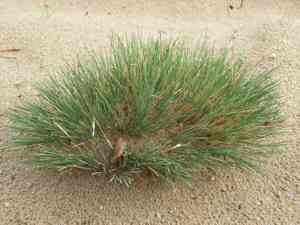
Relocating gray clubawn grass between early and late spring, during its period of robust development, facilitates superior adaptation. Select a location featuring soil that drains effectively and receives partial sunlight. A delicate approach is crucial given its fragile characteristics. Guarantee a smooth integration for this resilient botanical specimen.
What Preparations are Needed Before Transplanting Gray Clubawn Grass?
What is the Ideal Time for Transplanting Gray Clubawn Grass?
The optimal period to relocate gray clubawn grass spans from late winter's end to early summer's beginning. Moving gray clubawn grass during this timeframe capitalizes on its natural growth surge, providing your plants a robust start. The warming ground and gentle sun aid root establishment, ensuring a strong, thriving presence in your garden. By following this schedule, you'll observe gray clubawn grass rooting vigorously, setting the stage for a season of lush development and resilience.
How Much Space Should You Leave Between Gray Clubawn Grass Plants?
Greetings, aspiring gardener! For your gray clubawn grass, aim for a spacing of approximately 6-8 inches (15-20 cm) between each plant. This ensures ample room for each to thrive without competing for nutrients or sunlight.
What is the Best Soil Mix for Gray Clubawn Grass Transplanting?
Ready to prepare the perfect bed for gray clubawn grass? They prefer well-draining sandy soil! Incorporate some organic compost as a foundational fertilizer to give your plants a nutrient-rich beginning. Just sprinkle it lightly over the soil before planting!
Where Should You Relocate Your Gray Clubawn Grass?
Sunlight is crucial for gray clubawn grass, so find a location that receives full sun for most of the day. Ideally, your chosen spot should be exposed to sunlight for at least 6 hours daily to help your gray clubawn grass flourish!
What Equipments Should You Prepare Before Transplantation Gray Clubawn Grass?
Gardening Gloves
To safeguard your hands while handling soil and plants.
Garden Trowel
For excavating and moving soil during the relocation process.
Shovel or Spade
To dig out the gray clubawn grass without harming its root ball when removing it from the ground.
Watering Can or Hose
To hydrate the gray clubawn grass before and after the transplanting procedure.
Pruning Shears
To trim any dead or excess plant parts prior to transplanting.
Garden Fork
To loosen the surrounding earth, making it simpler to extract the gray clubawn grass from its current spot.
How Do You Remove Gray Clubawn Grass from the Soil?
How Do You Remove Gray Clubawn Grass from the Soil?
From Ground: Water the gray clubawn grass plant to moisten the soil. Use a shovel or garden fork to create a trench around the plant, being careful of the root ball. Gently lift the gray clubawn grass from the ground, keeping the root ball as intact as possible.From Pot: First, water the gray clubawn grass and allow it to sit for a few minutes to facilitate the root ball's removal from the pot. Turn the pot on its side, gently tap it, and carefully ease out the gray clubawn grass. Support the plant by its base and carefully extract it from the pot.From Seedling Tray: Lightly water the gray clubawn grass before removal to ensure the soil remains cohesive. Use a garden trowel or your fingers to gently separate individual plants, taking care not to damage the roots, and lift the gray clubawn grass from the tray.
Step-by-Step Guide for Transplanting Gray Clubawn Grass
Digging
Using your shovel or garden trowel, excavate a hole in the ground where you intend to transplant the gray clubawn grass. The hole should be twice the width of the root ball and of equal depth.
Transplanting
Position the gray clubawn grass in the center of the hole. Adjust the plant so that the top of the root ball is level with the surrounding soil surface.
Filling
Backfill the area around the root ball with soil, gently pressing down the soil as you proceed to eliminate any air pockets.
Watering
Thoroughly water the gray clubawn grass immediately after transplanting to settle the soil around the roots and provide essential hydration for the plant.
Support
If the gray clubawn grass requires staking, insert a stake into the ground and loosely tie the plant to the stake to allow for natural movement and growth.
How Do You Care For Gray Clubawn Grass After Transplanting?
Monitoring
Inspect the gray clubawn grass daily to ensure the soil remains moist. This supports the plant as it adapts to its new environment and begins to develop new roots.
Mulching
Apply mulch around the base of the gray clubawn grass to help retain soil moisture and inhibit weed growth without touching the stem.
Pruning
Trim any dead or yellowed foliage to direct the gray clubawn grass's energy towards establishing new, healthy growth rather than sustaining damaged parts.
Staking
If the gray clubawn grass is particularly tall or top-heavy, secure it with a stake to prevent wind damage while the roots are settling.
Troubleshooting Common Issues with Gray Clubawn Grass Transplantation.
When's the best time to transplant gray clubawn grass?
Choose the ideal period, which is early to late spring, promoting strong root development before summer.
How far apart should I space gray clubawn grass when transplanting?
Allow each gray clubawn grass to thrive by spacing them approximately 6-8 inches (15-20 cm) apart.
Why is my gray clubawn grass not thriving after transplant?
Ensure it's not planted too deeply and the soil drains well. Verify adequate water and light.
Can I transplant gray clubawn grass in summer or fall?
Spring is optimal. Transplanting during summer or fall can stress the plant due to less favorable conditions.
How can I tell if gray clubawn grass has enough water post-transplant?
Soil should be damp, not waterlogged. The top inch (2.5 cm) should dry out before the next watering.
What kind of sunlight conditions does gray clubawn grass need after transplant?
Select a location with ample sunlight. Gray clubawn grass flourishes in bright conditions, aiding strong growth post-transplant.
Should I fertilize gray clubawn grass after transplanting?
Wait a few weeks before applying fertilizer to avoid burning the roots while they are still delicate.
My gray clubawn grass is wilting after transplant, what should I do?
Wilting may indicate shock. Keep soil consistently moist and temporarily shield from harsh sunlight.
How deep should the planting hole be for gray clubawn grass?
Dig a hole twice as wide and as deep as the root ball, encouraging gentle root spread.
What is the ideal soil type for transplanting gray clubawn grass?
Utilize a blend of sand and loam for proper drainage and nutrient retention, crucial for gray clubawn grass's growth.



