How to Propagate Gray clubawn grass?
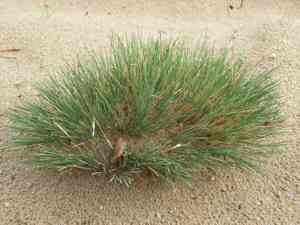
Effective propagation of gray clubawn grass is achieved via seeding. For optimal sprouting, scatter the seeds sparsely on a substrate that drains efficiently, preferably within a propagator that sustains a consistent temperature. Verify that the soil's top layer stays damp without becoming saturated. Once seedlings are established, thin them out, permitting the most vigorous ones to thrive. Transplant them to a permanent site offering sufficient sunlight and low soil richness to replicate their native environment, fostering superior acclimation and development.
When Is the Optimal Time to Propagate Gray Clubawn Grass?
Propagation Method
Seeding
Propagation Period
Spring
What Equipment Is Used for Gray Clubawn Grass Propagation?
Seed trays
Seed trays are perfect for initiating gray clubawn grass seeds, offering a regulated soil environment and simple moisture level management. These trays promote consistent growth by giving each seed its own space, preventing crowding and ensuring equal access to light and water.
Fine-grained soil mix or seed-starting mix
A fine-textured or specialized seed-starting mix offers the best soil consistency and nutrients for gray clubawn grass, aiding in superior root development and seed sprouting. These mixes are typically well-draining and sterile, lowering the risk of soil-borne diseases, which is vital for the delicate seeds of gray clubawn grass.
Misting bottle
A misting bottle is essential for gently watering gray clubawn grass seeds without disturbing them. The fine spray ensures that seeds and young seedlings receive moisture without being washed away or buried deeper into the soil, which could impede their development.
Heat mat
A heat mat can be especially helpful for gray clubawn grass during germination, particularly in cooler climates. It assists in maintaining a steady soil temperature, which is critical for the germination of many grass species, including gray clubawn grass.
Grow lights
Grow lights might be necessary to provide adequate illumination if natural light is insufficient. They help ensure that gray clubawn grass seedlings receive enough light for photosynthesis, which is crucial for the growth and health of young plants.
Labeling materials
Labels or markers are important for tracking sowing dates and varieties, especially if propagating multiple plant types alongside gray clubawn grass. This helps in managing the propagation process more effectively and monitoring progress.
How to Propagate Gray Clubawn Grass?
Propagation Difficulty
Simple
How to Maintain Your Newly Propagated Gray Clubawn Grass?
How to Maintain Your Newly Propagated Gray Clubawn Grass?
After sprouting, continue to ensure the area around gray clubawn grass is free of weeds. Water only when the soil begins to dry out, as gray clubawn grass is drought-tolerant. Fertilization is not typically needed, but a light application of a balanced fertilizer can be used in very poor soils. As gray clubawn grass matures, it requires minimal upkeep, thriving in environments with little care.
Common Errors to Avoid When Propagating Gray Clubawn Grass
Overwatering
Excessive moisture can lead to root rot in gray clubawn grass, a species that prefers well-drained conditions. Overwatering may suffocate the roots, reducing oxygen availability and hindering proper growth.
Deep planting
Planting gray clubawn grass seeds too deeply can prevent successful germination. Gray clubawn grass's seeds require light to germinate; deep planting can impede this process, leading to poor or no germination.
Ignoring soil composition
Using soil that lacks adequate sand content can be detrimental for gray clubawn grass. This species thrives in sandy soils; using dense or clay-heavy soil can restrict root growth and decrease overall health.
Advice For Propagating Gray Clubawn Grass
Surface sowing
Since gray clubawn grass seeds require light to germinate, it is beneficial to sow the seeds on the surface of the soil. This exposure ensures they receive sufficient light, which is crucial for their germination.
Regular, light watering
Maintaining a balance in watering is vital. It is recommended to lightly water gray clubawn grass, keeping the soil slightly moist but not soggy. This prevents waterlogging while providing enough moisture for seed germination and growth.
Use of sandy soil mix
Using a sandy soil mix can enhance the growth of gray clubawn grass. This type of soil improves drainage and mimics gray clubawn grass's natural sandy habitat, promoting healthier root systems and better overall plant health.



