The Gray clubawn grass Plant Advantage: Maximizing Home and Office Appeal and Wellness
1
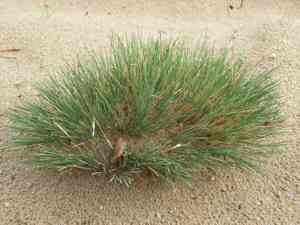
Gray clubawn grass thrives in arid, sandy ground, making it perfect for preventing soil erosion.
2
This ornamental grass is superb for introducing texture and aesthetic appeal to garden designs.
3
Gray clubawn grass enhances soil health by promoting water absorption and minimizing surface runoff.
How Does Gray clubawn grass Aid in Erosion Prevention?
High Resilience to Arid, Sandy Substrates
A key characteristic of Gray clubawn grass is its remarkable resilience to dry and sandy ground. This positions it as an excellent option for areas susceptible to erosion. Its robust root system helps secure the soil, preventing displacement by rain or wind. The roots penetrate deeply, stabilizing even unstable soils and significantly lowering erosion risk.
Ground Stabilization
Gray clubawn grass is particularly effective at firming up loose, sandy earth. Its dense root network forms a strong base that binds the soil together. This is especially advantageous in sloped or embanked regions where soil erosion is a frequent concern. By cultivating Gray clubawn grass, you can establish a natural barrier that safeguards the soil and fosters a healthier environment.
What Makes Gray clubawn grass an Outstanding Ornamental Grass?
Distinctive Textural Appeal
Gray clubawn grass offers a unique texture that introduces a visually engaging element to any garden or outdoor space. Its delicate, arching leaves gently sway in the breeze, creating a dynamic and attractive visual. This movement can impart a sense of grace to your garden, making it a prominent feature that draws attention.
Minimal Upkeep Requirements
Another significant advantage of Gray clubawn grass is its low-maintenance nature. Unlike many other decorative grasses, it demands little care once established. It thrives in poor soil conditions and is drought-tolerant, meaning it doesn't require frequent watering or fertilization. This makes it an ideal selection for gardeners seeking beauty without extensive upkeep.
How Does Gray clubawn grass Enhance Soil Quality?
Improved Water Penetration
One of the less recognized benefits of Gray clubawn grass is its capacity to enhance soil quality, particularly regarding water infiltration. The plant's root system creates pathways in the soil, allowing water to permeate more readily. This helps prevent water runoff and ensures the soil retains moisture more effectively, benefiting other plants in your garden.
Reduction of Soil Compaction
Gray clubawn grass also plays a vital role in mitigating soil compaction. Over time, compressed soils can significantly impede plant growth by restricting root development and water movement. The fibrous roots of Gray clubawn grass help break apart compacted soil, improving its structure and making it more conducive to plant growth. This is especially advantageous in urban settings where soil compaction is often an issue.
Can Gray clubawn grass Support Local Fauna?
Habitat for Insects and Birds
Gray clubawn grass provides an excellent environment for various insects and birds. Its dense foliage offers refuge and nesting spots for small birds, while its seeds serve as a food source for many insects and birds. This can contribute to a more diverse garden, supporting local wildlife and fostering a healthier ecosystem.
Pollinator Attraction
Furthermore, Gray clubawn grass can draw pollinators such as bees and butterflies to your garden. These pollinators are crucial for the reproduction of many flowering plants, and their presence can boost the overall health and productivity of your garden. By cultivating Gray clubawn grass, you are not only beautifying your landscape but also contributing to the support of pollinator populations.



